Thinking and communication after a concussion can be affected by changes to concentration, memory, processing speed, and word finding. These difficulties can impact conversations, daily tasks, and decision making. Learning practical strategies and working with your therapy team can help you manage cognitive-communication challenges and support recovery.
Cognitive-communication difficulties
Following a concussion, you may experience changes to your cognition (thinking skills) and your communication (talking, social interactions, understanding, reading and writing)
Fatigue also has an impact on your cognitive-communication skills. If you are tired, it’s much harder to function
Common symptoms
- Difficulties concentrating and multi-tasking
- Slower to process information
- Harder to follow conversations, especially in groups
- Memory problems and difficulty with new learning
- Trouble finding the right words
- Harder to make decisions and problem solve
- Difficulties planning and organising your day

Understanding your concentration
Know your attention:
- Can you focus and hold your attention?
- Can you screen out background noise?
- Can you move your attention between tasks?
- Can you multitask?
Understand what distracts you:
- Are you distracted by external factors eg; bright light, noise, smells and/or internal factors eg; headaches, emotions, pain?
- What can you control?

Tips to help concentration
- Determine what time of day you function the best
- Pace yourself and manage fatigue levels
- Manage your environment and reduce any distractions eg; turn TV off while talking
- Talk to others and let them know your needs
- Ask others to slow down, and break longer information down into chunks
- Face the person you are talking with
- Reduce demands upon yourself and focus on one task at a time
Tips to help information processing
- Allow yourself extra time
- Ask others to repeat or clarify information
- Ask others to slow down and tell you one thing at a time
- Break information into smaller chunks
- Paraphrase – say the information back in your own words
- Write key points in a notebook or ask someone to write it for you
- Record important information on your phone
- When reading, use blank paper to cover and reduce the text you don’t need to see + use index finger to help you keep on track

Tips to help memory
Use a weekly planner or calendar to write appointments
Use reminder alarms on your phone to remember things like appointments, taking medication and cooking.
Record key information on your phone eg; GP visits.
Write ‘to do’ lists or use checklists
Everything has a place – keep keys, glasses and phones in the same place so you don’t lose them
Tips to help planning and organisation
- Plan your day to make sure you are doing activities when you feel alert
- Prioritise what you need to do – is it urgent or important?
- Alternate activities eg; physical task, rest, thinking task
- Spread harder tasks out over the week
- Balance work and life activities

Tips to help decision making/problem solving
- What is the problem/decision to be made? Write it down.
- What are all possible solutions?
- Identify the pros and cons?
- What is the best solution?
- Give yourself time
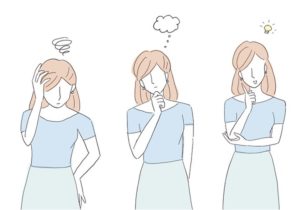

Strategies to help word finding
More time – Often words will simply come if you are able to allow a few extra seconds. It can be helpful to let listeners know that you need more time to think of your words
Rephrase – Use different words with a similar meaning e.g. say ‘mug’ instead of ‘cup’, ‘jog’ instead of ‘run’
Describe – What do you know about the word (talk around it) What does it look like? What colour is it? What is it made of? What do you do with it? Where do you find it? How big is it?
Gesture – Gesture what you mean
Alphabet – Go mentally through the alphabet – the word you want may trigger when you hit the first letter in the word.
Draw – A picture that represents the word or idea
Picture – Imagine the word in your mind

Speech-Language Therapy and Occupational Therapy role
A Speech-Language Therapist can support you with cognitive-communication strategies following a concussion
An Occupational Therapist can support you with practical strategies for managing everyday activities
Strategies will be helpful for your return to school/university, work and general life