Mood changes after a concussion are common and can include irritability, anxiety, sadness, and frustration. Recognising these changes and understanding why they occur can help you manage emotional symptoms effectively. Working with your healthcare team can support your recovery and overall wellbeing.
Is it normal for mood to change following a concussion?
Yes
- Concussions disrupt brain function, which can lead to emotional instability
- Many people experience mood swings, irritability, frustration, anxiety, and even depression after a concussion
- These emotional symptoms are sometimes overlooked, but they are critical aspects of recovery
- As concussion symptoms improve, your mood often stabilises and returns to your baseline

How to manage mood changes
Recognise symptoms: Be mindful of mood changes and don’t hesitate
to tell your team
Rest: Both your brain and your body need rest to heal fully. Avoid overstimulation
Nutrition: The food you eat can assist with your recovery. Try to eat a balanced diet and drink plenty of water to promote brain health and help to stabilise your mood. There is strong connection between the brain and your gut
Stay Connected: Don’t isolate yourself. Try to keep as much of your normal routine as possible. It’s better to see people for short periods rather than to isolate yourself
Professional Support: If emotional symptoms persist, tell your team and you may be referred for psychological support at LFBIT
Accessing medication: Some people benefit from accessing medication to manage their mood symptoms. You can discuss with your GP and your treatment team regarding your suitability to be prescribed medication

Why do concussions cause emotional symptoms?
The brain controls both physical and emotional functions, so when a concussion occurs, it can also impact areas responsible for emotional regulation. The trauma can affect how the brain processes emotions, leading to:
Increased Anxiety
- Many people feel anxious or overwhelmed post-concussion
due to uncertainty about recovery
Depression
- Lingering symptoms or a prolonged recovery period can contribute to feelings of sadness or isolation
Irritability
- Emotional outbursts can happen due to brain function disruptions

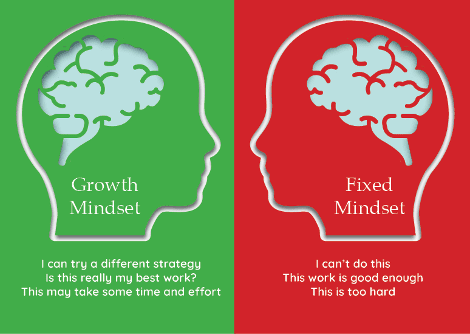
Keep an open mindset
Your beliefs play an important role in recovery
Try to use positive statements:
“I will recover from this concussion”
“I can make progress if I follow the strategies my team gives me”
“More people make a full recovery from concussion than not”
Try not to let internet stories or other peoples’ negative experiences of concussion shape your view. Your team are the best people to talk to about YOUR concussion