Returning to sport after a concussion needs to be gradual, guided, and focused on long-term recovery. Following evidence-based guidelines and listening to your body can reduce the risk of prolonged symptoms or further injury. Working with qualified health professionals helps ensure a safe and confident return to physical activity and sport.
Tips for return to sport after concussion
- Discuss return to sport with your appropriately
qualified rehabilitation specialist, i.e.
physiotherapist, sports medicine doctor - Specific physical exertion testing may be
indicated to help guide return to sport
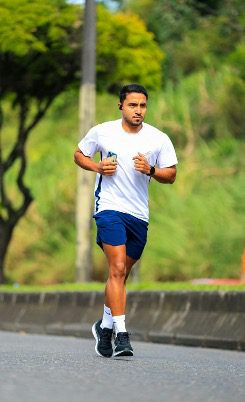
ACC has created National Guidelines for managing sports concussion in New Zealand
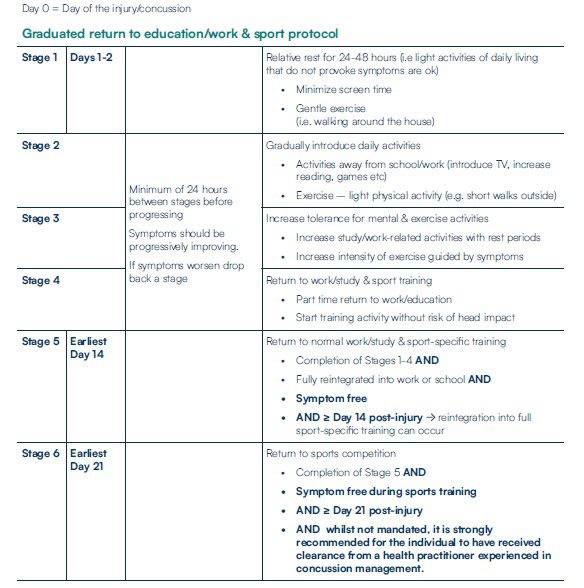
This is a snapshot of what a graded return to exercise & sport might look like
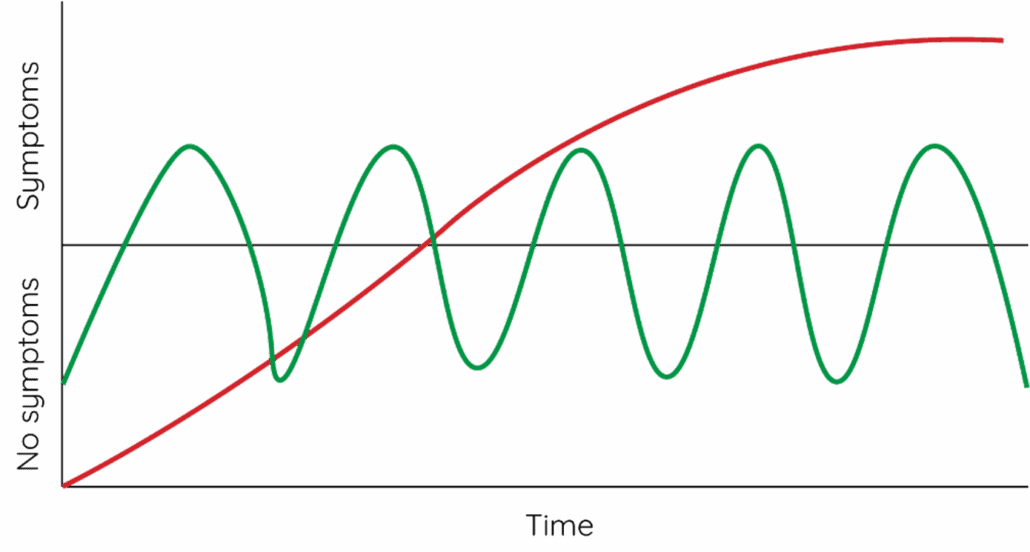
Interval Training
In general, the key to building up your exercise tolerance is leaning into symptoms a small amount, then recovering
(shown by the GREEN line). In this scenario, recovery is steady, and your symptoms are generally well-managed
If you lean too much into symptoms, you will likely make symptoms feel worse (shown by the RED line).
In this scenario, recovery can feel really slow and uncomfortable
Tips to navigate your return to sport
- Utilise interval training
- A symptom exacerbation of 2 on a
scale of 1-10 (compared with baseline)
is ok - A return to sport-specific non-contact
training should take place prior to a
return to contact and competitive
match play

More tips for return to sport
- Athletes recovering from concussion are
2.5x more likely to suffer a
musculo-skeletal injury - It is important to fully recover to prevent
recurrent injuries - Listen to your body
- There may likely be pressure from
coaches and a desire to return too soon.
Follow the advice from your qualified
therapy team
Guidelines for return to sport:
National guidelines:
National guidelines for sport concussion | Sport New Zealand – Ihi Aotearoa
Individual sporting codes have their own specific guidelines