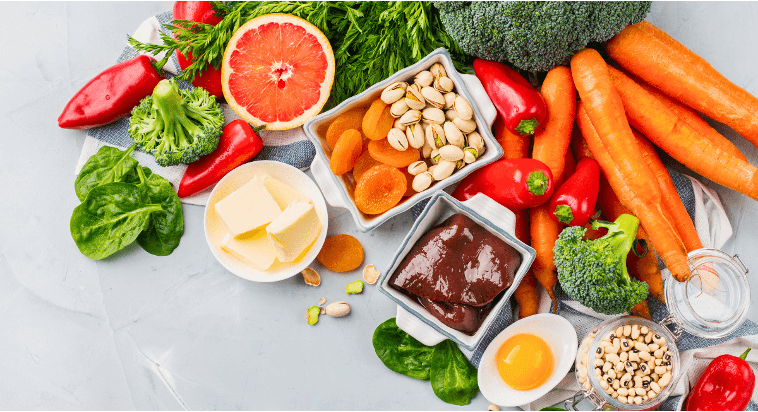
Recovering from a concussion requires more than rest, your brain and body also need the right fuel. Nutrition after concussion plays a crucial role in supporting healing, maintaining energy, and helping you return to everyday activities. Making small, consistent changes to your diet can help your brain recover more effectively and keep your body strong during the recovery process.
Healthy Nutrition
Your brain and body need a healthy diet to provide the energy and nutrients to heal and participate in activities of daily life
- Regular meals are important. Aim for three meals and two to three snacks everyday
- A loss of appetite can be common. Despite this, a regular eating pattern can be helpful in maintaining a routine
- Foods and drinks high in salt or sugar should be avoided
- Limit your caffeine (coffee, energy drinks) to a maximum of one drink in the morning as it can interrupt your sleep cycle
- Avoid alcohol as it can increase the load on the brain and slow recovery
A Balanced Diet
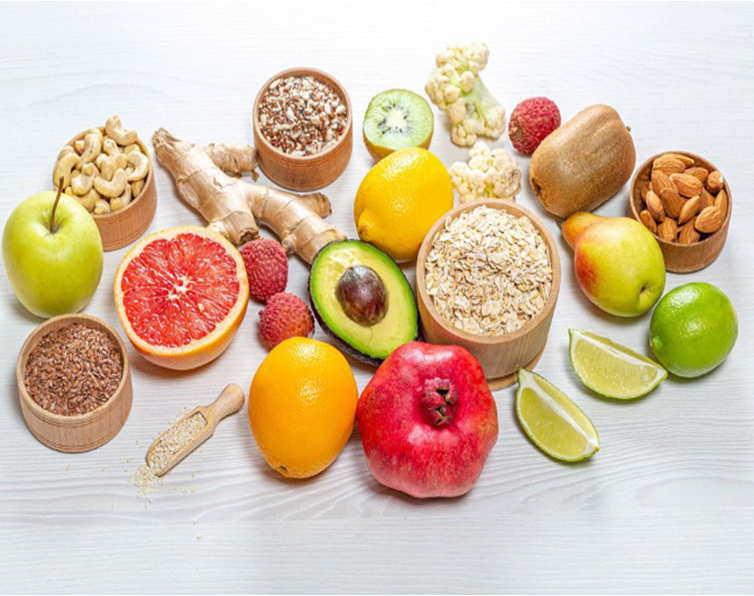
- Plenty of vegetables and fruit. Try and include a variety of colours of food
- Lean protein foods i.e. legumes such as chickpeas, baked beans or lentils, lean meat, chicken, fish, nuts and seeds
- Wholegrain carbohydrates such as grainy breads and crackers, wholegrain cereals like porridge or wheat biscuits, brown or wild rice
- Two serves of dairy products or dairy alternatives such as milk, yoghurt, and cheese
- Fluid is also important. You should aim for 6-8 glasses of fluid every day. Water is the best choice of fluid
- Healthy fats in moderation e.g. nuts, avocado, vegetable oils, omega-3 supplements and oily fish e.g. salmon. Aim for 2-3 servings per week