Female Reproductive Hormones and Concussion

Recovery after a concussion can be influenced by many factors, including female reproductive hormones. Changes such as perimenopause can mimic concussion symptoms, making recovery more complex. Understanding these interactions can help you work with your healthcare team to manage symptoms and support healing.

Your recovery experience after head injury will likely be influenced by both injury and non-injury factors. 

Injury factors relate to the injury itself

  • How severe was the injury?
  • What part of your brain was affected?
  • Did you lose consciousness?

Non-injury factors describe something that is not directly related to the head injury but that can have a significant impact on your symptom experience

One of these non-injury factors is reproductive hormones

Female reproductive hormones offer many protective benefits including:

  • Decreased brain swelling after brain injury
  • Decreased inflammation
  • Supported growth and survival of nerve cells
  • Supported memory function
female reproductive hormones

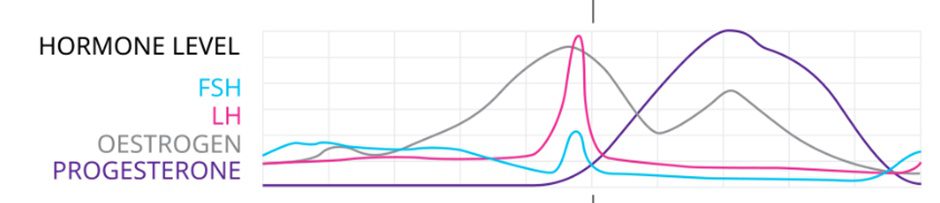
However, we know that reproductive hormone levels are ever-changing

  • Our menstrual cycle is depicted by normal highs and normal lows
  • These normal hormonal fluctuations can have an impact on head injury outcomes
  • Conversely, head injury can also disrupt normal hormone fluctuations leading to cycle irregularities

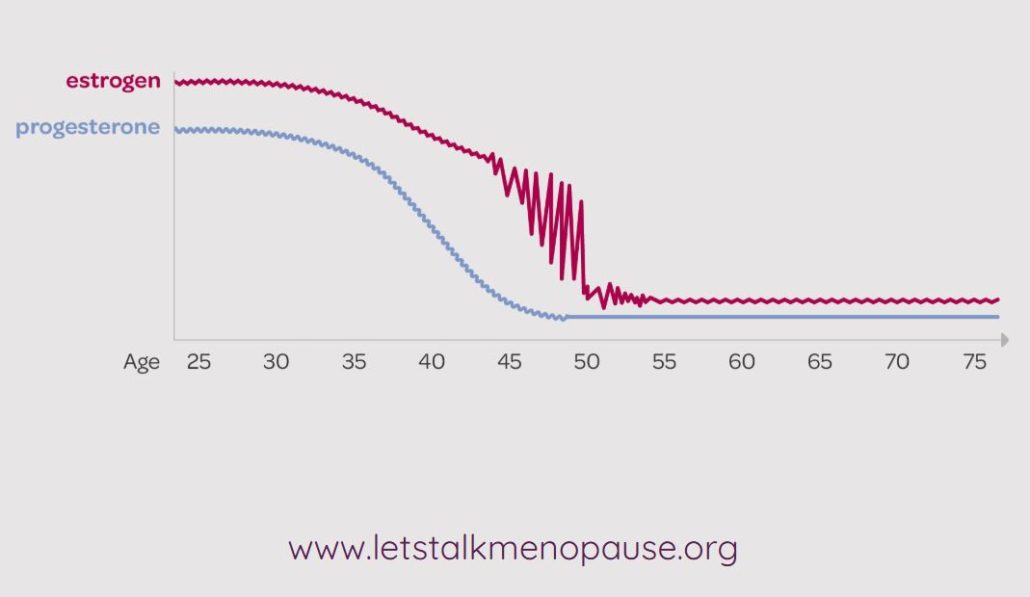
Peri-menopause is depicted by drastic fluctuations in hormones, while menopause is a sustained decline

Many symptoms of peri-menopause, can be similar to symptoms of concussion including:

  • Decreased energy
  • Sleep disruption
  • Changes in mood
  • Changes in thinking clarity

When a woman is experiencing both concussion and peri-menopause, it can often feel really challenging and confusing

Further adding to the confusion, brain injury can sometimes jumpstart a woman’s transition into perimenopause

What does this mean for me?

  • Let your health care provider know if you are experiencing changes to your menstrual cycle after your concussion
  • For younger people, most irregularities will resolve within a few months. However, if this does not happen, it is important to seek the appropriate support. Your GP is often a good place to start
  • For more mature clients, symptoms of perimenopause can mimic symptoms of concussion. If you suspect you may be experiencing perimenopause, let your health care provider know and consider a conversation with your GP to discuss management options
Skip to content