Archive for category: News

We have an incredible team of Rehabilitation Coaches at the Laura Fergusson Brain Injury Trust. You may be asking, what does a rehabilitation coach do? And the answer is, a whole lot, and a varied lot! Today we’d like to celebrate the work of Patricia Branco!

As a rehab coach, Patricia works in our Living My Life service, which supports clients with their goals, how they live, what they do, and who with. Along with this, Patricia works with some clients under Training for Independence programmes, which target and develop aspects of life that a client may want to focus on building.

Working in these services means day-to-day work is never the same for Patricia, as each client has a different goal, and a different method of achieving each goal. For some clients, it can be helping with exercise, joining a session with one of our physiotherapists, and learning the exercises with the client. Then moving forward, Patricia can help run through each exercise, at the client’s home, or at the gym.

On the other end of the scale, Patricia has clients whose goal is to become familiar with the bus system in Christchurch. This meant going out and bussing around town together, learning routes and what to do if they change.

“So the rehabilitation coach is there to support clients with their specific goals,” says Patricia. “We come in with strategies – sometimes bring a strategy and it doesn’t work, then you try to find another strategy that will suit this person more. The more you know the client, the easier it is to find the right solution.”

At any one time, Patricia will have twelve clients that she works with. Patricia is also part of our Reconnect service, where groups of clients come together with those who have had similar experiences to go out to participate in activities together. There is a group every morning, Monday to Friday. They may go bowling, head to the museum, and quite often visit a local cafe! Patricia is a regular member of the Friday group, and enjoys joining the group and helping with their adventures.

“I have passion for working with people. It’s very rewarding to think about the impact you can have on someone’s life. The thing I enjoy most is building a connection with people. One of my clients who I work with on Thursday recently said to me ‘my favorite day of the week now is Thursday.’ To have this feedback from them, to know we are achieving our goals is so great.”

“What we want is to empower our clients, in no way do we want this connection to turn into dependencies on us. We try to make sure they are as independent as possible.”

A huge part of helping clients to be independent is encouragement to try new things, something that Patricia finds incredibly fulfilling. A recent example was encouraging a client to try a new class at the gym, which led to joining even more classes, and ultimately, a person who has a new confidence in going out and living life to the fullest.

“If our clients didn’t have these activities, or people to support, encourage and teach them things that they couldn’t initially do by themselves, it might never happen. It is great to be there for them.”

A huge thank you to Patricia for her essential work! It is so wonderful to have you on the team and to share what you do in your role.
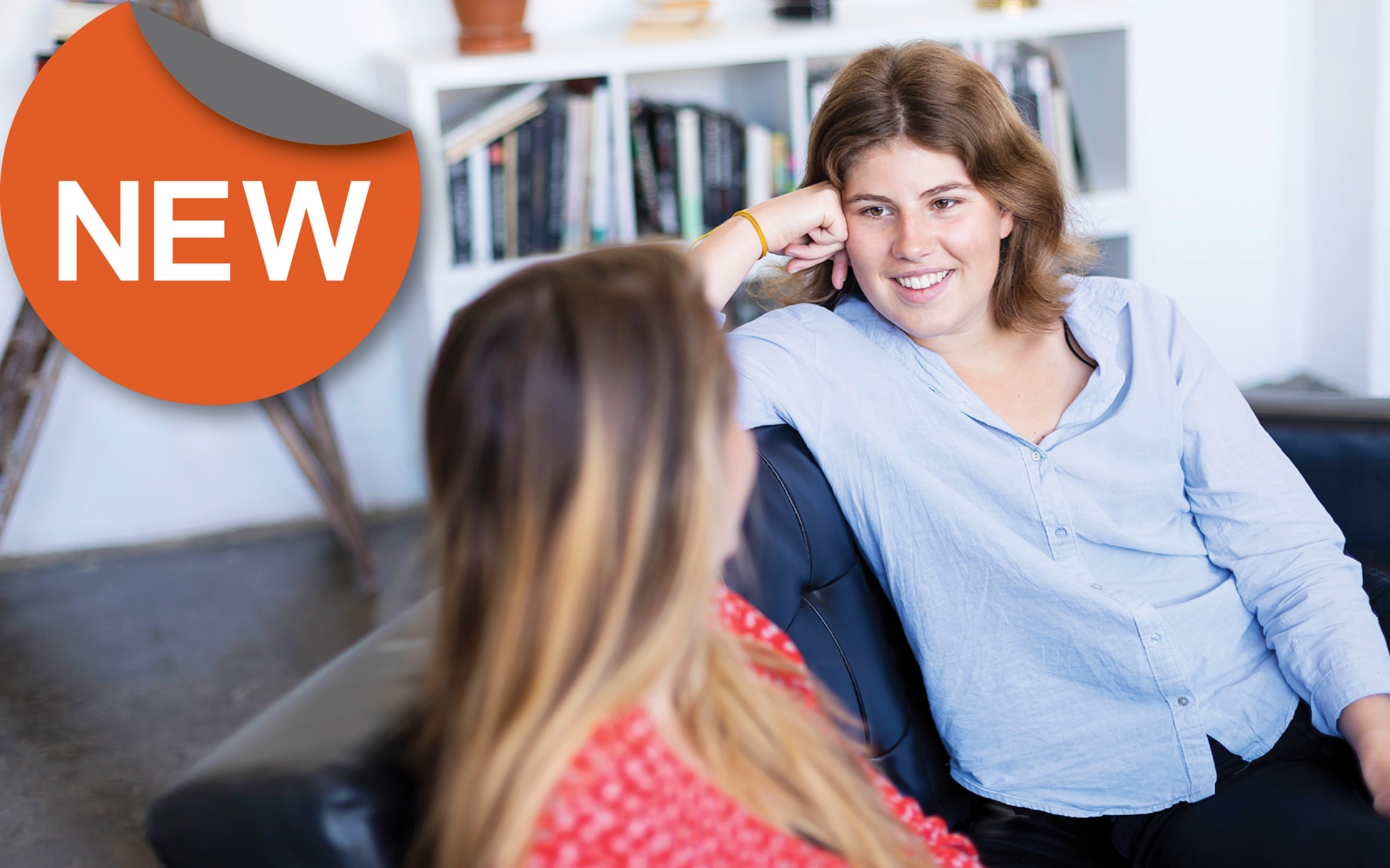
Introducing Helpful Heads – a free peer support service for people with TBI, their whānau and their employers.

A common theme amongst those with traumatic brain injury (TBI) and their support people is the feeling of being misunderstood, isolated or frustrated with the slow progress in their recovery. The complex journey of rehabilitation and recovery is hard to navigate for families and those with the injury, having support from someone who has been through it can be invaluable. Traumatic Brain Injury is often an invisible injury and therefore is even harder to understand for those around us.

We identified the value in setting up a peer support service and in 2023 Laura Fergusson Brain Injury Trust was successful in securing a 12-month Lotteries Grant fund to establish a Traumatic Brain Injury Peer & Whānau Support Service.

Helpful Heads has a growing database of keen volunteers of different ages, from all different walks of life and locations in the Canterbury region who can offer support to those who would like to talk to someone who can truly understand what they are struggling with.

The support may be a simple phone call or text, it could be a coffee and a walk. It may be once a week or just as required. The service aims to find a good fit for everyone, so that practical experiences can be shared and emotional support can be provided.

To learn more, visit the new Helpful Heads website here!

Today we are privileged to hear from one of our spinal clients at the Laura Fergusson Brain Injury Trust – Mary Miller. For the past ten years, Mary has lived independently in a lifestyle village on the edge of Christchurch. Her journey began as a child, as she grew up with a bone condition called rickets.

Due to Mary’s condition, she had many surgeries including hips, knee replacements and rods placed into her femurs. The calcification around her spinal cord led to her starting to notice a significant change of sensation in her legs.

After being referred to a neurosurgeon, Mary learned that her spinal cord had almost totally closed at four points, and she required a large surgery. However, by the time the surgery was set to take place, it was 2011, the year of the Christchurch earthquakes. Her surgery was delayed.

“The plan was I would go into St George’s, have the surgery, and drive myself home a week later,” says Mary. “That was the plan, but my spinal cord was damaged, and I came out of the surgeries a tetraplegic in 2011.”

After this surgery, Mary was transferred to the spinal unit of Burwood hospital, where she stayed for eight months of rehabilitation. During this time, Mary worked to get the use of her arms back, but her legs did not recover enough to walk. Mary received ACC coverage after the surgery; a case manager was appointed who helped her set up goals. One of these goals was to drive again, which she accomplished in 2014 through the provision of a vehicle where she could move her power wheelchair into the driver’s seat and drive using hand controls.

Mary lived well and with independence, until the past two years, when she began to become paralyzed in her upper body. After another referral to a new neurosurgeon, it was found that her spinal cord was once again being ‘squeezed’.

After a successful surgery, Mary spent six weeks in the spinal unit of Burwood Hospital and then was able to come home with help from the Laura Fergusson Brain Injury Trust.

“I was able to come home with help from physiotherapists, and occupational therapists, wheelchair experts, and housing people from the Laura Ferguson Brain Injury Trust – They’ve all helped to assess how much I could achieve with certain help, and they’ve helped me to get that help. So, I have got back some of what I lost.”

Mary has received help from a range of services at LFBIT, including training for independence, wheelchair and seating, housing services, equipment, and respiratory services. Work across this range includes things such as finding extra support workers to aid Mary in activities such as driving, identifying equipment to help her achieve things individually, and having a hoist installed in her home.

“Lizzie McKay came in training under Mark as a physiotherapist, I was very blessed to have both of them. Lizzie is one in a million. She’s the best physiotherapist I’ve ever had. As well as Lizzie there has been massive, wonderful input from Lesley Bensley, Angela Nicholls and Deanna Davies – all amazing people!”

LFBIT team members also helped Mary in the little ways that make all the difference. From finding cutlery that she could hold with her limited movement in her hands, to installing Alexa in her home to turn on lights, and open, close, and locks doors, all through voice control.

“That has all been with the sort of vision of the team, the occupational therapy team and the physiotherapy team. I’ve been overwhelmed with the help that I got, I’ve just been very fortunate in the people that have been rostered with me, they’ve been a great help.”

“It makes such a difference when you get people who are good at what they do. Because I’ve had occupational therapists and physiotherapists in the past, and I knew more about my situation than they did – I was able to help myself better than they could. I’ve found LFBIT staff really empathetic, knowledgeable about their craft, and go the extra mile in looking for alternatives. I’ve been very blessed to have them.”

One thing that Mary has found key in her rehabilitation is that the more open and motivated she was to do the work, the easier it was not just for her, but for the team she worked with.

“With the right kind of help, you can put yourself out there. There’s no point in whinging and moaning about it. There’s always something else you can do. I’ve learned that before, but it gets renewed in my head every time I reach a stumbling block.”

In being open comes the importance of having fun with your rehab, which is something Mary knows well!

“I like to have a bit of a laugh at the people that I work with, and we have. We get the job done, and always have fun as well.”

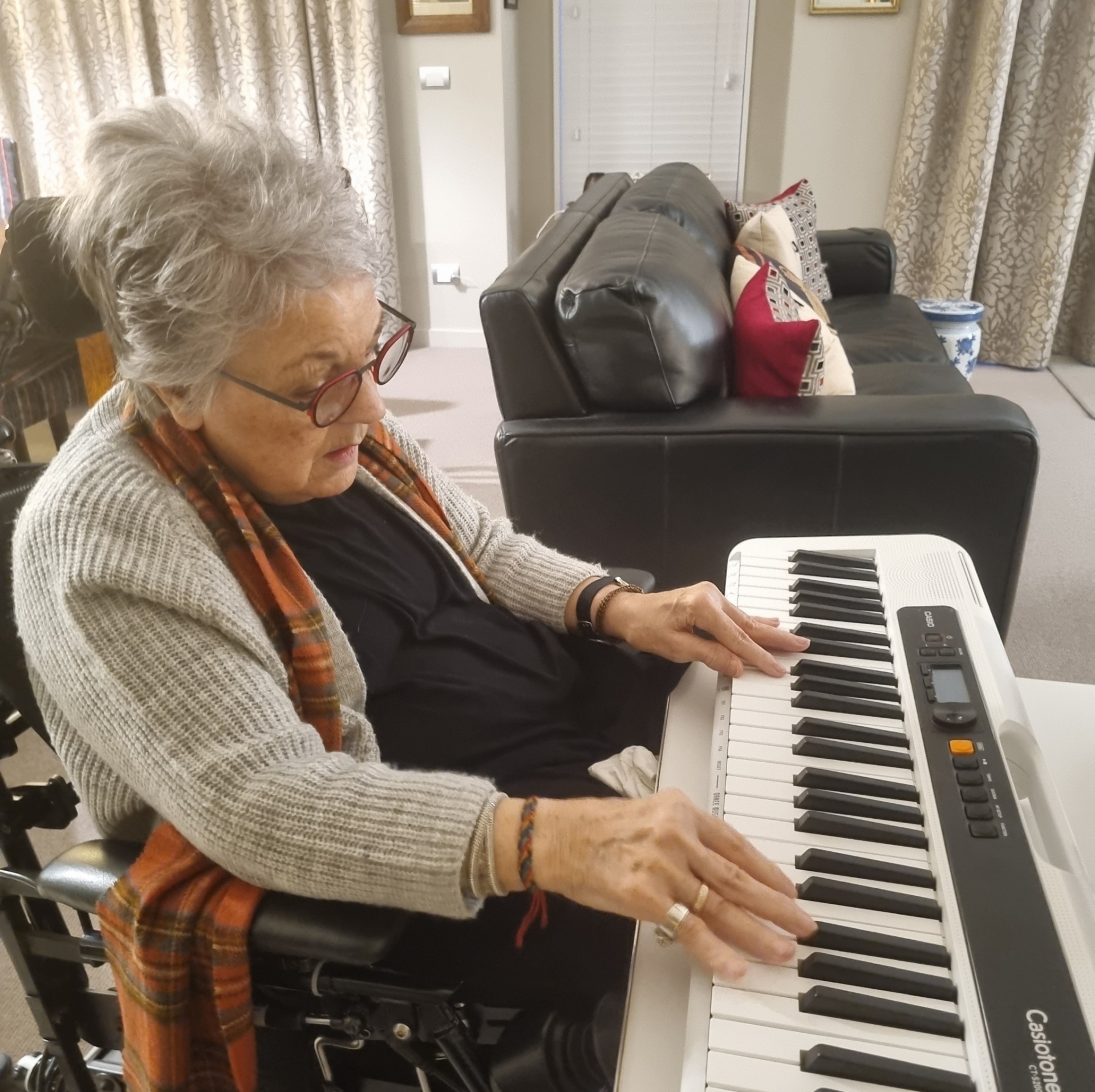
Looking to the future, Mary looks to get more involved in learning some new instruments. Mary, unfortunately, had to retire from her position in both the ukulele group and choir, as holding a ukulele and turning page music became too much of a challenge, as well as finding singing difficult from seated in a wheelchair. However, LFBIT staff have found a spot in music therapy sessions where Mary can try a range of new musical instruments. Mary is excited to get started and stuck in on the keyboard!

A special thanks to Mary for sharing your story with us! It is an absolute pleasure to talk and work with you, and we can’t wait to see what the future brings!

Introducing the Laura Fergusson Brain Injury Trust Mana Tangata Scholarship

The Laura Fergusson Brain Injury Trust is committed to fostering the development of the Māori and Pacific workforce within allied health. As part of this commitment to equity, the Trust has established two scholarships for University of Otago physiotherapy students, known as the Laura Fergusson Brain Injury Trust Mana Tangata Scholarships.

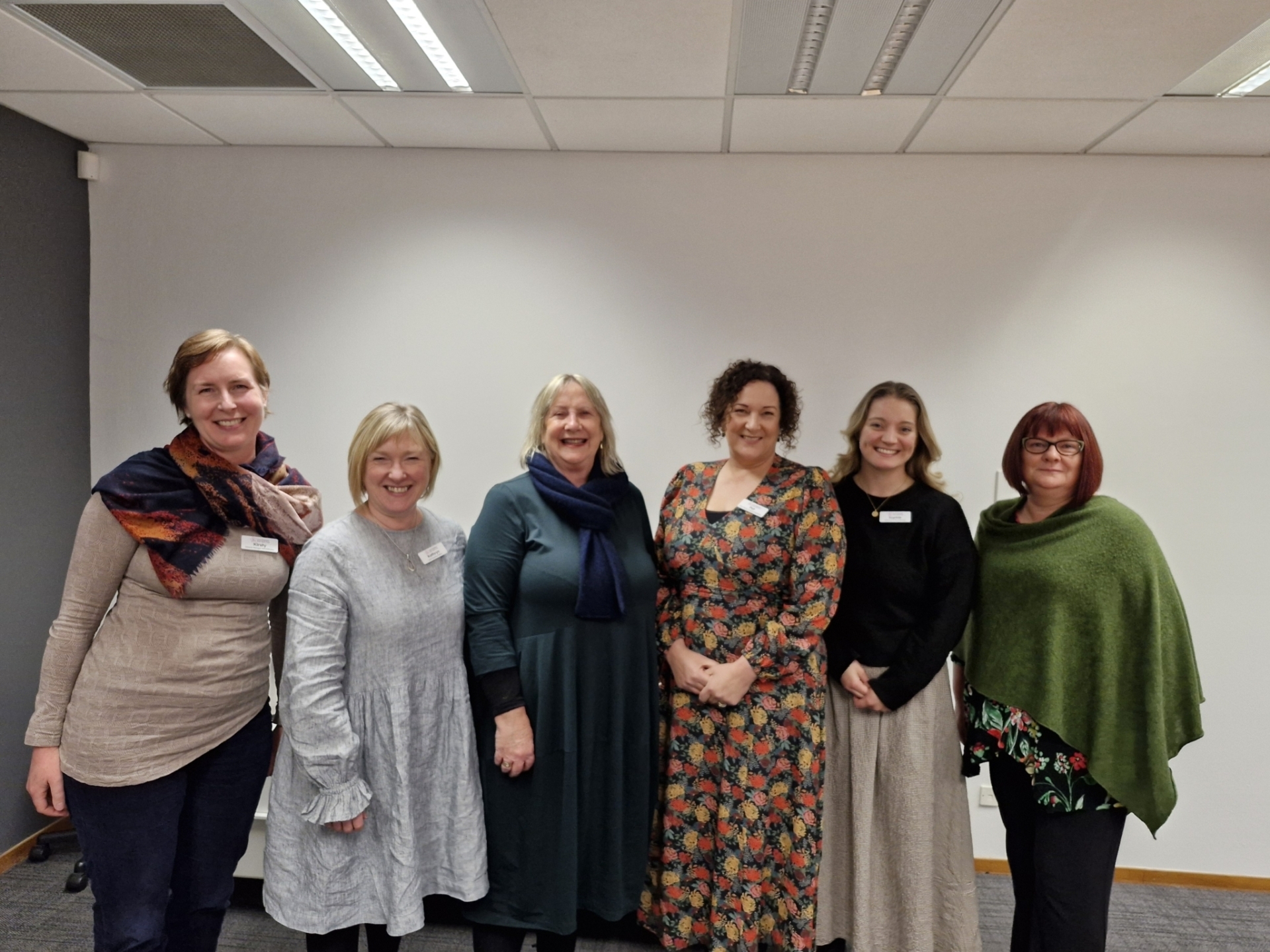
We’d like to acknowledge team members Nicole Vercoe and Alison Klopper for leading the design and establishment of the scholarships.

“Mana Tangata” translates to “The Prestige of the People,” underscoring the immense value and potential of Māori and Pacific students. These scholarships are specifically designed for final-year (4th Year) Māori and Pacific Physiotherapy students who have a keen interest in neurorehabilitation.

A panel comprising the Dean of the School of Physiotherapy and senior leadership staff, including clinical leaders, will select the recipients for the two awards each year.

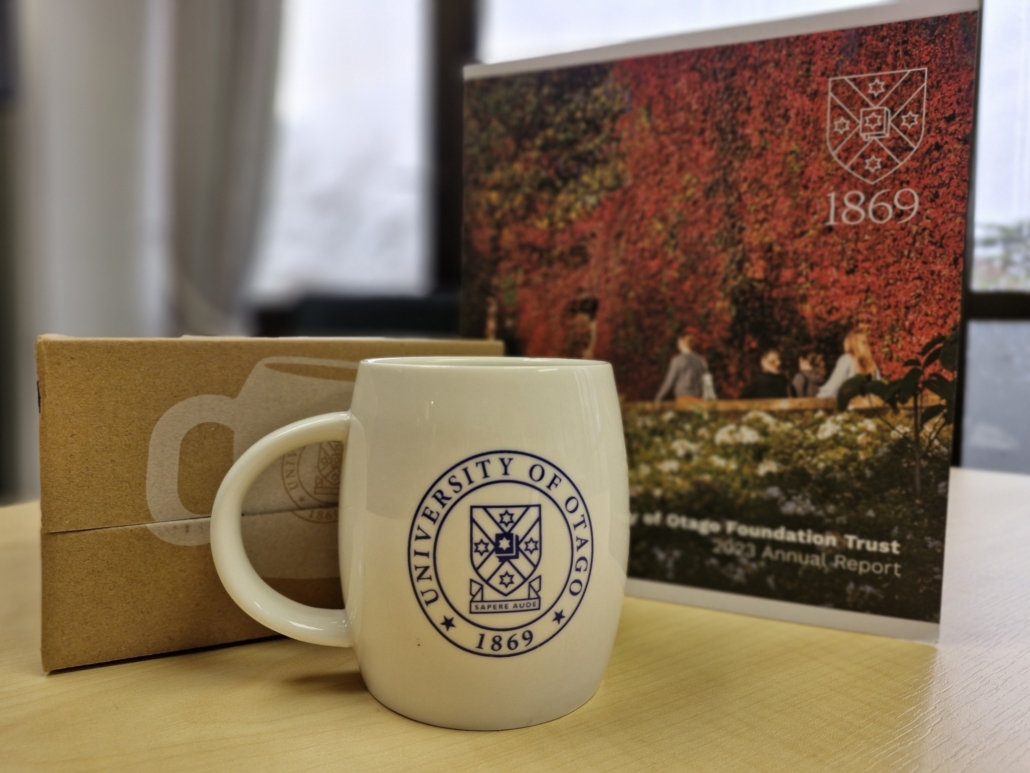
The University of Otago is honoured to hold and administer this generous gift, which aims to empower and uplift the next generation of allied health professionals. The University is keen to encourage eligible students to apply and embrace the opportunity to make a meaningful impact in the field of physiotherapy.


Laura Fergusson Brain Injury Trust is an independent, charitable organisation that specialises in assessing, rehabilitating and supporting those impacted by brain and other injuries in the upper South Island region of New Zealand. Our purpose is to assist clients/kiritaki in maximising independence, inclusion and quality of life. By developing individualised or tailored strategies, we equip our clients/kiritaki to find new pathways through life. We provide a full continuum of integrated assessment, rehabilitation and support services for people with brain and other injuries and their families/whanau, carried out by our highly skilled interdisciplinary team when and where they are needed. The Trust is uniquely a New Zealand owned, non-profit entity operating in New Zealand delivering rehabilitation, assessment and support services.

Our core values at Laura Fergusson Brain Injury Trust are:

Our Values – Ā Mātou Uara

• Tiaki tatou; We care

• Ko tātou whakaute; We are respectful

• Ko tātou whakakotahi; We are inclusive

• Ia tātou ia rawe i te reira tika; We do it right

We are experts in the field of brain injury and disability rehabilitation and support – we are committed to ‘doing it right’ and providing evidence-based best practice.

We have an exciting announcement!

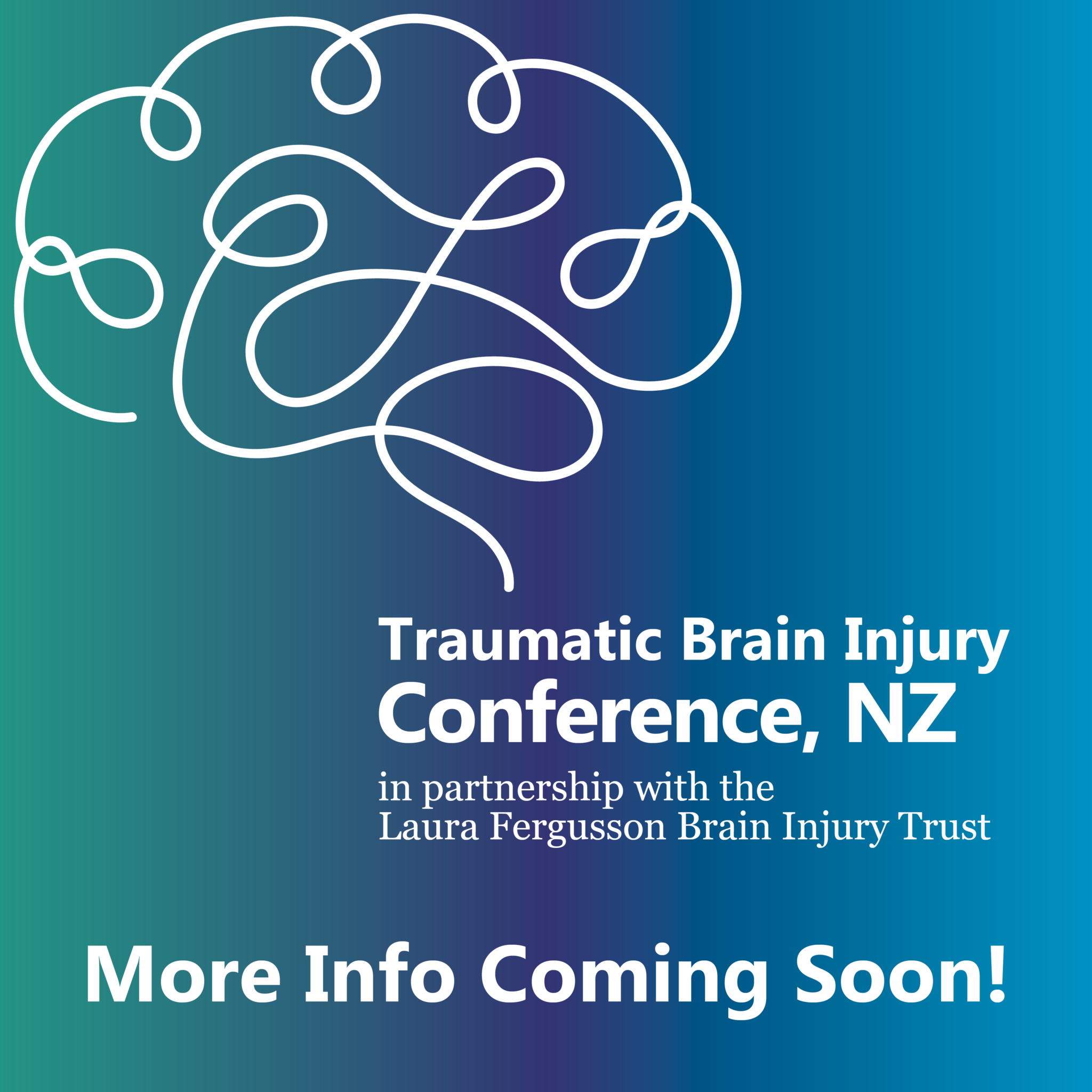
We are excited to launch a partnership with Interpoint Events to bring The Traumatic Brain Injury Conference NZ to Te Pae, Christchurch’s premier convention centre, on March 12th and 13th 2025. The conference aims to bring together experts, professionals, those with lived experience, and people who work or participate in areas where traumatic brain injury is often present but undiagnosed.

Exploring the theme “Keeping it Real: Real Injury, Real People, Real Lives”, the conference will uniquely emphasise the lived experiences of individuals and their families/whānau affected by TBI. Through personal stories and firsthand accounts, attendees will gain deeper insights into the multifaceted impact of brain injury.

Featuring international keynote presentations, panel discussions, and exhibitor showcases, the conference also aims to highlight the latest developments in TBI research, rehabilitation techniques, assistive technologies, and supportive interventions.

“We are thrilled to be hosting The Traumatic Brain Injury Conference NZ 2025 in partnership with the Laura Fergusson Brain Injury Trust,” said Simon Cooper, Managing Director at Interpoint Events. “This event represents a unique opportunity for stakeholders across the TBI community to come together, exchange ideas, and collaborate towards improving outcomes for individuals living with brain injuries.”

“The Laura Fergusson Brain Injury Trust is dedicated to supporting people with traumatic brain, spinal and other complex injury and disability and brings invaluable expertise and insight to the conference.” said Kathryn Jones, Chief Executive at the Laura Fergusson Brain Injury Trust.

Registration for the Traumatic Brain Injury Conference NZ 2025 will open soon and will include, sponsorship opportunities and programme updates, please visit the website below through this link for more info!

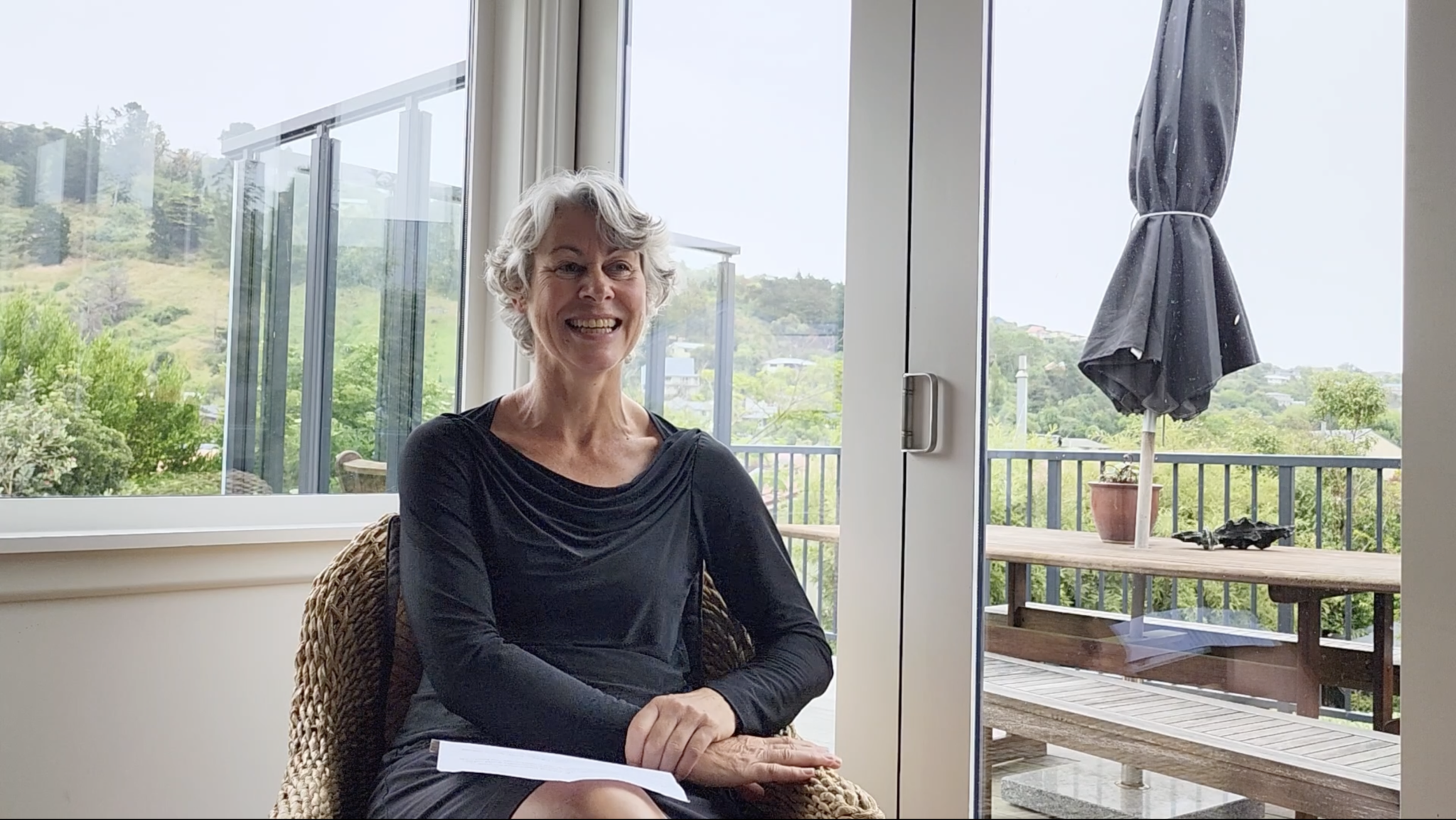
Today we are privileged to be able to hear from Rebecca. In this video, Rebecca shares her story of acquiring a concussion, the journey of her recovery, and the importance of being kind to yourself.

This week – National Volunteer Week, we chatted to Mary, our fabulous volunteer who helps support people through the process of retirement from driving, which can happen after illness, injury or from declining health.

What made you decide to become a volunteer?

In the past, I have worked as an English as a Second Language tutor and in Special Education . I believe that people have special strengths and should use these to help others. I love both creative and journalistic writing so use this to record any work I do. When I read of this volunteer role in “Volunteer Canterbury” I remembered how my husband reacted when we were told he could no longer drive, due to ill health and I have used this experience as a basis for my interaction in this role.

What is your role?

As the retirement from driving volunteer, I am notified of senior citizens who have lost their licences who would like some support in navigating this change. I wait a day or two and I contact them and generally chat for a bit, some are quite angry, so we talk it through, I support them and note their circumstances. I arrange to visit them or I can just chat over the phone if they prefer.

I send the person information about “Life After Driving” from Laura Fergusson Brain Injury Trust. There are actually many wonderful services out there for people who can no longer drive – Gold Band and Blue Star have 75% off their fares with a mobility services card so it makes travelling around more affordable. You can also save money by selling your car, and you’ll save on registration, maintenance, petrol and insurance. Uber has a new system that older people can register for. St John also has a service shuttle for transport to medical appointments – for a donation. Many people feel much better knowing about these services.

What do you enjoy about it?

I really enjoy meeting the people because everyone has a story to tell. Because I am not a friend or family member, they feel that can talk to me about what they are going through. Many people have quite a lot of concerns about not driving, so I just listen to their concerns. They are really pleased to have someone to talk to who they don’t have any personal history with. Some are very indignant, and I can understand that, because so much of our lives revolve around driving, but they usually feel a lot better once they know there is support that can help. I just give them practical information and a listening ear.

~

As driving becomes more challenging for our aging population, we’re here to help. Our volunteer support role provides emotional and practical assistance during the transition from driver to non-driver. This service is unique to Laura Fergusson Brain Injury Trust. We’re committed to ensuring your transportation needs are met in new ways, offering hope and understanding throughout the process. We are so grateful to Mary for her amazing work in supporting people going through this transition!

At LFBIT, we have an incredible range of volunteers who contribute in their own way to what we do. From helping out in week to week activities, to helping run events, we are consistently overwhelmed by the time and effort our volunteers put in. This week we’d love to acknowledge one of these fantastic people: Simon Mortimer.

Nineteen years ago, Simon fell off his mountain bike and suffered a severe TBI.

“The things one does for a ride in a helicopter!” says Simon. “I have no real memory of my accident and the next four weeks in hospital. All I know is I broke my helmet, jaw and ‘jumbled up the marbles’ in my head. I was lucky, it could easily have been a lot worse.”

Recovery took time, to this day Simon has reminders of his TBI in his speech, and tiredness if he overworks. These days, he works three days a week, and has found himself with a little extra free time. Because of this, Simon decided it was time to help those who were in need and got in contact with us at LFBIT. Looking to help in any way he could, a role was found to support Can Do Catering with maintaining its vegetable garden.

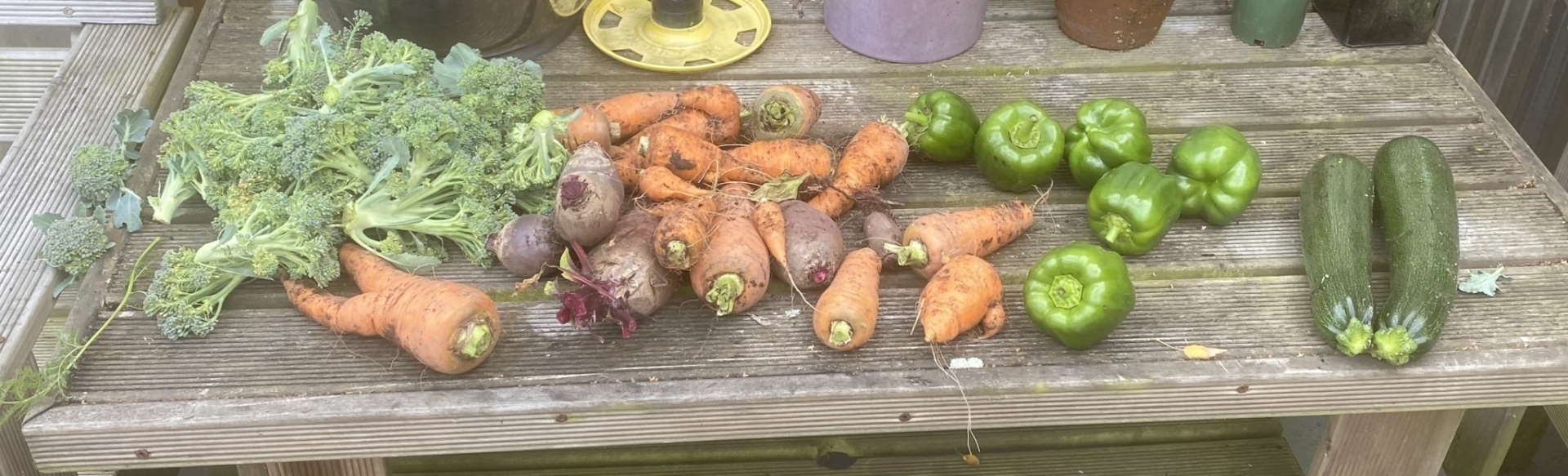
Since 2021, Simon has helped out in the vegetable garden, planting, weeding and nurturing the vegetables that Can Do Catering use for their work. There is plenty to grow, with broccoli, spring onions, carrots, courgettes, edible flowers, and even some self-seeded cherry tomatoes that have sprung up thanks to some soil that Simon has brought.

“I generally visit once a week and spend 30 – 60 minutes in the garden depending on what needs to be done. I find it therapeutic and really enjoy it.”

Simon says that since his TBI he has found change in personality, for the better. He has found he has a higher sense of empathy and understanding, and is more willing to share emotions than he once was. Because of this, he wanted to volunteer for any work available at LFBIT, and we are so grateful for everything he has done!

Today we would love to celebrate the work of Lizzie Mckay, one of our brilliant physiotherapists. As you will see, her work extends above and beyond what you may imagine the role of “physiotherapist” entails.

Lizzie has been with the Laura Fergusson Brain Injury Trust since January 2022 and works across many areas in the organisation. Beginning working in our rehab team with Training for Independence clients, she has since also moved into working simultaneously with our assessment team on specialised client equipment. “Equipment” could be a handcycle, a power add-on to a wheelchair, a sit ski, or could even be as simple as walking poles. She also has started working within our wheelchair and seating team and is also studying towards her level one accreditation.

For Lizzie, day-to-day work as a physiotherapist is never the same. There may be work in the office; writing reports and enquiring about equipment with suppliers, and supervising peers in different teams. But the majority of Lizzie’s work is done out and about.

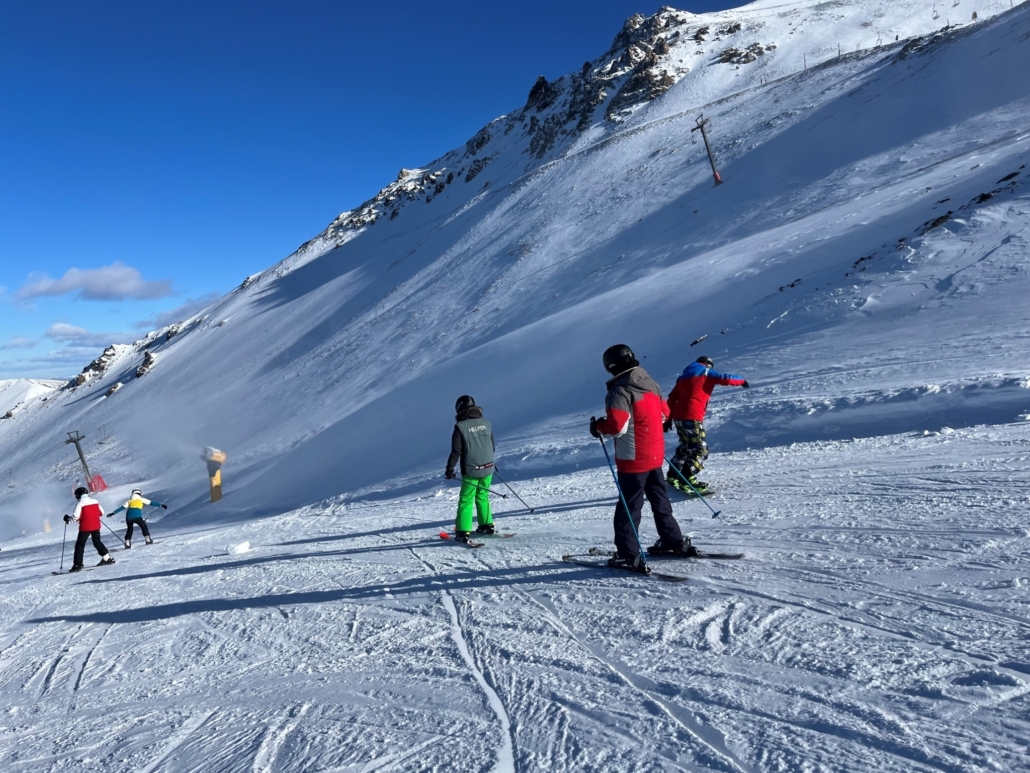
“It could vary from being on Mount Hutt for the day skiing with a client; to getting a client into open water swimming, being at the beach or supporting them into the hydro pool; or getting them into the Port Hills, helping them to do some hiking; or even trials for equipment, at Bottle Lake or the Waimakariri River for hand cycles or; we could be working at the client’s house, on the pavement, or indoors with powered wheels; I could be at Ilam Road doing orthotic gait trials.” “It’s very, very varied!”

For the most part, Lizzie is on the road exploring new areas for her clients to expand into Sometimes this can be as far as the West Coast, where she will go for two days and see a group of clients, before making the drive back.

“The services over there are quite limited because of their population size. Our specialist service is integral to the recovery and rehab of the people who live there.”

Lizzie always knew she wanted to work with people in healthcare. Growing up, she spent time with family members who had Parkinson’s disease and multiple sclerosis. After attending a physiotherapy seminar, and in watching the care of family, she immediately knew it was something she wanted to do herself.

“Being able to support other families who are going through lots of change is really quite special. I strive to empower them so that they feel a little control during a sometimes-powerless period. I really appreciate that I get to facilitate their journeys and hopefully make it feel less daunting and scary.”

The many paths that physiotherapy can take were also a big motivating factor for Lizzie. While living in the UK, Lizzie found herself working with spinal injuries and in critical care, and now in NZ, she has found herself specialising in neuro and adaptive sports. It is a career that is open to exploring something new!

“I feel very fortunate that I found a vocation that keeps me engaged, and is something I am really proud of. I’ve been able to enable access for others and promote inclusivity in the outdoors and sport. It’s a honour.”

One huge highlight of her work is seeing her clients thrive in a space that they didn’t know they could experience or explore.

“I remember once at Mount Hutt, there was all this commotion behind me, and I turned around and saw one of our clients skiing with his friends. It was so cool to see him in that realm, with people being like, ‘Whoa, like, what’s that?’ Other people were talking to him, engaging with him. It’s pretty amazing, because we’d spent three months teaching his dad and his friends how to do it with Adpative Snow Sports Canterbury, and then actually to see them putting it all to use was awesome.”

“Helping other people to be able to access this whole realm that they didn’t know that they could be in – it is so cool watching more people flourish in it.”

There are a few things that Lizzie enjoys about working at LFBIT. The first is flexibility. There is a wide range of cases to work with, and there is the opportunity to focus on what you are interested in, and to direct your learning. Adaptive sports is one main area where Lizzie has excelled in. Starting by volunteering with ParaFed, Lizzie’s connections in the space have grown, giving her a platform to learn and bring this knowledge back to LFBIT. She now works as a classifier for New Zealand wheelchair rugby. With so many staff bringing new knowledge, Lizzie really appreciates the work of our Interdisciplinary team.

“The team, honestly, it’s just a resource of specialty and knowledge. Anything complex and wonderful, there’s always somebody that you can chat things through with, and always somebody that’s willing to support or learn with you.”

Among all her work across so many spaces, Lizzie has also been a part of the team that developed a new respiratory service.

If someone were to have an accidental related respiratory issue there is no immediate community respiratory team. Lizzie and the team saw a need and developed the Respiratory Service to do just that. As a team they have developed a client database for respiratory needs and created pathways with GPs and ACC, so they can refer clients to our services. They assess those with respiratory needs and provide appropriate equipment to keep them in the community. They have created resources, client packs and respiratory training for clients, carers and whānau.

“This is a great opportunity to reflect on what I get to do every day and to express my gratitude to those that have helped shape my learning and development. Thank you to Mark McIntosh, Kathy Dwyer, Nicole Vercoe and Sophie Heath, appreciate your knowledge and skill endlessly but also thanks to my trusting clients!’.

We’d love to thank Lizzie for her work!

The Laura Fergusson Brain Injury Trust are delighted to have signed a Memorandum of Understanding with the Canterbury Rugby League. Hear more on this partnership from the CRL below

CRL has signed a groundbreaking Memorandum of Understanding with the Laura Fergusson Brain Injury Trust, providing invaluable support and education to our rugby league community.

This MoU – a first for the Laura Fergusson Brain Injury Trust with a regional sporting body – aims to ensure everyone in our sport has access to the necessary information, support and treatment in regards to head injuries and concussion.

“CRL are excited and feel very privileged to sign this MoU with the Laura Fergusson Brain Injury Trust,” Canterbury Rugby League CEO Malcolm Humm says.

“We recognise head injuries and concussions occur in our game from time to time. In light of this, as the regional body for rugby league, we believe we have a responsibility to provide expert support and advice to players who sustain these injuries.

“What the Laura Fergusson Brain Injury Trust will be able to support our membership with is monitoring, assessment and recovery plans, through to a return to sport plan.

“Additionally, and as part of the MoU, they will provide education workshops to clubs, coaches, parents and CRL as a preventive measure.

“We feel the timing is perfect as NZRL recently released its new concussion policy, which marries well with the support CRL and its membership will receive from Laura Fergusson Brain Injury Trust.”

The Trust was established in 1967 and supports those impacted by brain injury in Canterbury and its surrounding regions – a provider unique to the South Island and one of only three in New Zealand.

Over 220 specialised staff in the charity’s interdisciplinary team which includes speech language therapists, physiotherapists, occupational therapists, clinical psychologists, neuropsychologists, dietitians, social workers, nurses and rehab coaches who work together to provide an integrated approach to rehabilitation and recovery.

“We see people who’ve had traumatic brain injury from all walks of life for all different reasons, and sports is one of the areas,” LFBIT CEO Kathryn Jones says.

“Our whole vision and our values relate to how people are treated – inclusively, [making sure] they’re treated respectfully and that we do the best that we possibly can so that people get the right treatment at the right time and recover.

“We are on that recovery journey with them and their families, too – that’s really important to us. I look at the values of Canterbury Rugby League and we are very aligned in terms of that inclusivity and respect.”

Māori and Pasifika make up a high proportion of Canterbury Rugby League’s demographic but, as Jones explains, are underrepresented in terms of making use of the services available to treat injuries.

“Māori and Pasifika people inherently have very low rates of making claims for injury through ACC – it’s not that they’re not getting injured, they’re just not making the claim and getting the proper treatment,” she says.

“We [want to educate] those communities so people who need help are more inclined to put in a claim and get the proper support they need after an injury.”

Jones regards rugby league as being one of the most proactive sports in caring for their players around head injuries, putting strong guidelines in place and providing wraparound support.

The danger of a ‘you’ll be right’ attitude, which Jones says still exists in some sports, is that people are missing out on the appropriate treatment for what could potentially be a serious problem.

Awareness and knowledge are crucial – and at the heart of the MoU between the Trust and Canterbury Rugby League.

“We provide free education to a whole range of organisations in the community,” Jones explains.

“We go out to see the Police, we see Work and Income, schools and community agencies … the more people who are educated about traumatic brain injury, the better.

“A brain injury occurs every 15 minutes in New Zealand – it happens a lot more often than people realise but understanding the signs and symptoms and where to get help, that’s ultimately what we want to achieve.

“We’re really keen to get out and about into the community and provide more education for rugby league players and their coaches and their families. It’s a great opportunity for us.”

Meanwhile, the Laura Fergusson Brain Injury Trust has embarked on a capital fundraising campaign to build a centre of excellence in Christchurch, designed as a hub for a range of services for people who have suffered a traumatic brain or spinal injury.

Jones says the partnership with CRL with be beneficial in raising the profile of the Trust, which is also charity partners with Canterbury Cricket, in the local community.

Skip to content