Archive for category: News

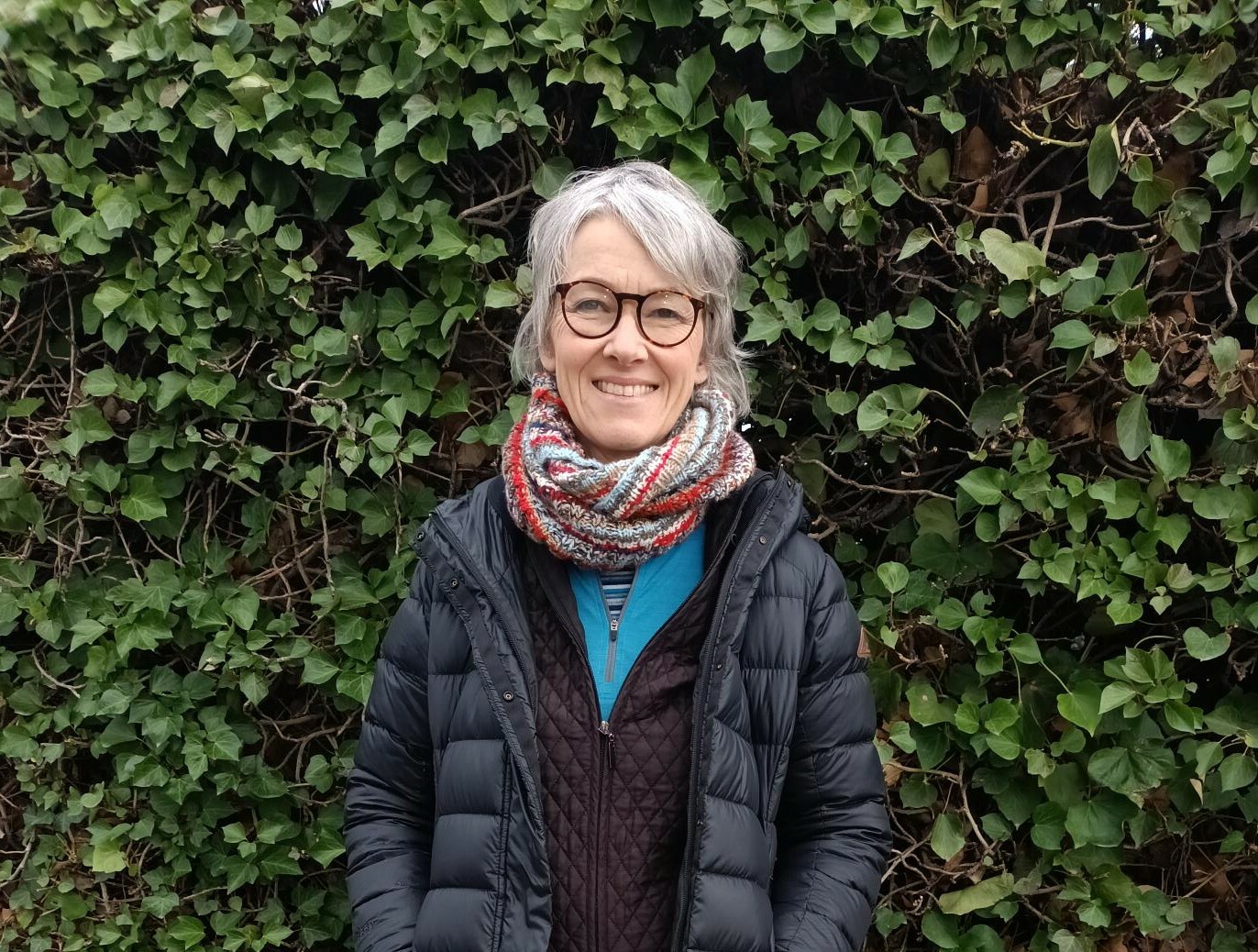
At the time of Erin’s stroke, she was a full-time Mum who enjoyed driving, seeing her favourite cover band Mammoth, and travelling to Golden Bay and the West Coast. She enjoyed both the sunniest and the wettest parts of the South Island and enjoyed being creative with craft in her spare time. Erin was a talker, Sue “couldn’t get a word in”, and Erin’s Grandad was able to have long conversations with her from the weather to “really weird topics”.

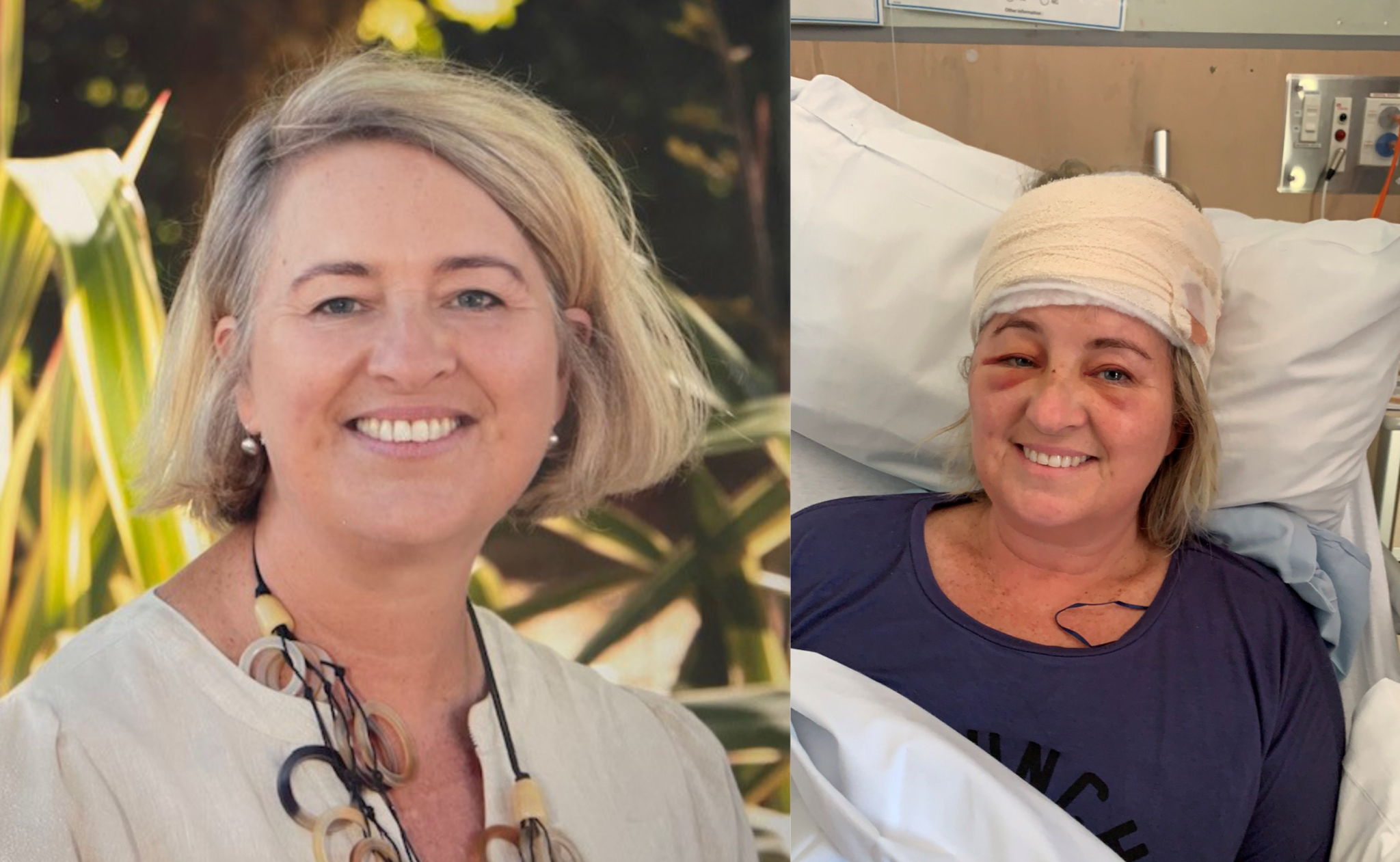
On the 6th of June, 2020, Erin had a stroke. Now, she experiences a number of challenges including weakness on the right side of her body making it more difficult to walk and do things for herself. She also has aphasia, a communication disorder that makes everyday interactions so much harder.

Erin can understand what people say but finds it difficult to put her thoughts into words and get her message across. As a result, this has changed the dynamics of many of Erin’s relationships with her friends and family. Erin works hard to connect with people particularly her son by using other forms of communication and connection such as quality time, affection and asking questions about his day.

Since her stroke, Erin has improved every day. She’s gone from barely being able to say yes and no, to saying five or six words in a sentence. She has been consistently surprising her friends and family with the way she’d just come out with a comment or joke mid-conversation.

Erin recently attended an engagement party and people couldn’t believe how far Erin had come. Erin wants her friends and family to know that she’s still her “fabulous” self and still wants to engage and laugh with people. Erin’s progress is a testament to the determination and enthusiasm she has shown throughout her journey.

When asked what she would like people to know about aphasia Erin gave the following tips:

1. I am still me

2. I can understand what you say

3. I need time to get my words out

4. Keep it simple

5. Use gestures to help me communicate

During the 1973-74 year, the Rotary. Club of Christchurch set up a meeting to discuss the formation of a Canterbury branch of the Laura Fergusson Brain Injury Trust. Rotarian Colin Averill had heard arguments for the urgent need for a residential home for disabled young adults. After further discussions with the Laura Fergusson Trust in Auckland, the Rotary Club of Christchurch hosted a meeting with other like-minded organisations. A key attendee was Dr Julian Kirk, Director of Physical Medicine at Christchurch Hospital who strongly supported the initiative.

With the project underway, the next job was to find a site and the North Canterbury Hospital Board whose Chairman, Leslie Averill, had endorsed the project and with the approval of the Department of Health, made the land opposite Jellie Park available for the new facility. This got the project off to a great start as fundraising was not required for land purchase.

The next step was the building itself. Christchurch Rotarian Maurice Moffat, an architect with Griffiths, Moffat & Partners, prepared sketch plans and working drawings for the proposed building. Leslie Averill was elected president of the fundraising committee and following the Auckland model, a Ladies Auxiliary was formed with Mayoress Alexia Pickering elected chairperson.

Once the fundraising project was launched, Rotary’s direct involvement ceased. The new building was opened free of debt in March 1979, the successful result of a team effort involving the Rotary Club of Christchurch, the LFT and the Ladies Auxiliary.

The Rotary Club of Christchurch has continued to support the Laura Fergusson Brain Injury Trust over the years, most recently with an Impact Grant in 2022. We are so grateful for their contributions, and we are thrilled to have them join us for the trail!

At Laura Fergusson Brain Injury Trust, we provide a number of assessment, rehabilitation and residential services.

Our specialist team support people who have had brain injuries, spinal injuries, and any type of complex physical injury, such as a leg or arm amputation.

Michael Challis is a client who has been supported by our service for some time, working incredibly hard on his independence and his recovery.

This is his story:

For three years prior to his injury, Michael was a concrete placer, working on driveways, pathways, house foundations, or anywhere that needed his skills. He loved the hands-on nature of the work, and spending time with great colleagues.

In his spare time, he loved to fix up his truck, spend weekends at the river, and then fixing the truck all over again!

He also loved playing rugby and wakeboarding, until he was too sore to go again.

Four years ago, Michael’s life took a shift. After an especially busy 68 hour work week, Michael was involved in a car accident, car versus power pole.

Fortunately, there was a witness nearby, who immediately called emergency services. Michael broke his back and damaged his spinal cord between the C4 and TI vertebrae. This resulted in a loss of all strength, sensation and other body functions below – the highest level of injury. For a few months he lost all movement below his neck and had to spend that time in the Intensive Care Unit, before moving to Burwood Hospital for another four months during which time he gradually regained some movement in his arms but continued to have little movement or sensation in his hands, trunk and lower body.

After 199 days in total, it was time for Michael to make the move home, leaving him with the huge challenge of having to adapt to his new way of life.

“It was different going home, I didn’t know what to expect,” says Michael. “One of the biggest challenges has been losing independence and needing help with any basic tasks. Things as little as opening a letter, and picking it up, you try it over and over again. But then being stubborn only lasts so long before you need to ask for help.”

Michael’s stubbornness has worked in his favour when it comes to rehabilitation, as he has worked incredibly hard to do everything possible to gain his independence back.

He has worked with LFBIT occupational therapists and physiotherapists to begin getting back into movement and regain everyday skills. He works hard on building up his strength at the gym and has used his hand bike to also increase his exercise.

Alongside his rehabilitation, he has had further specialist input provided by our Housing and Seating Assessment Services.

Michael has had extensive work done in his home to give him the opportunity for more independence.

The first major modification was the flooring, as he had the carpet replaced with vinyl flooring throughout the house. Michael says this was his favourite modification, as it gave him the freedom to move around in his manual wheelchair, without getting stuck on the soft carpet.

“We knew that using the manual chair was my biggest goal. So, we pretty much did everything possible around the house to make that easier for me to use and just be able to get around.”

Everything possible was done, including widening the doors, changing the layouts of rooms, and widening gaps, so there is not such a tight squeeze.

His bathroom was remodeled to provide one big wet area to wheel into, instead of having to get himself in and out of the shower. The bathroom vanity was also replaced with one that he can now comfortably wheel under. A ceiling hoist system has been installed in the bedroom as well which allows Michael to get from his bed to his wheelchair and shower commode.

Getting in and out of the house was also a priority, first made easier by two automatic doors. These doors can be opened by waving at a sensor on the wall, but Michael also has a button on his chair, which open the doors quickly and easily. Previously, if he ever needed to make an emergency escape, the door in his bedroom led to a step down to a patio and wet grass. Now, there is a ramp that runs around the perimeter of the house, giving him ease of access to his backyard and a second exit.

Beyond the large modifications to the house, there are also many smaller, less noticeable changes that make huge differences to Michael’s independence. For example: small aids like suction rails that stick to the fridge door, making it easier for Michael to open and grab his drink bottles. Recently, he has had new lights placed in his lounge and these will eventually be replaced throughout the whole house, all of which he can control from his phone.

“The housing modifications made a huge difference. It all looks great and just makes the house so much easier to use and get around.”

Michael is hoping to get back into the workforce, perhaps even being able to work in the administration side of a concrete business, matching his skills and experience. As an expert in the trade, he would love to continue to help out in any way possible. He is also considering some future study.

We thank you for sharing your incredible journey of success with us Michael, we are so thankful we could make your home a place you can be independent in.

Good luck with all of your future plans and thank you for letting us be part of your rehabilitation journey.

Today we share the story of Tewi, a client of Laura Fergusson with a large smile and many jokes under his belt. Tewi’s journey began after acquiring a brain injury in 2007, and he has been involved in many services to “help my mind, body and brain to get all good.”

Tewi currently lives in Laura Fergusson residential care, and says he is “spoilt here, all of the staff are all good!” He loves that he has his own room, washing and dishes done and he is always fed with good and healthy food. “Life would be different if I didn’t have the people here – I would be down here instead of up here.” Down here being at his knees and up here next to his big smile.

To help his mind and brain Tewi has rehab coaching twice a week, helping him with the day-to-day tasks. His rehab coach supports him to keep on top of life admin and to plan and maintain a routine, including his job and getting to the gym. Tewi knows that over time his needs have changed, and the rehab coach is able to help and adjust as needed.

Tewi also attends our reconnect group, a weekly get-together to provide a safe and social setting and teach life skills to those with brain injuries. Groups go out and about around Christchurch, exploring new activities week to week, including bowling, rowing, yoga mini golf, museums as well as sessions practising cooking and other life skills.

Tewi loves spending time with the group, not only because the time is taken to ensure their needs are met, but for the opportunity to be social with others who have a TBI. “Everyone is in the same boat, we all get each other, and the situations were in.”

Tewi loves to work out to help his body, “Exercise big, sleep well” he says. He enjoys the Laura Fergusson FIT group to do a range of activities, walking, swimming, running, yoga, and his favourite, the rowing machine! His physio Jo helps him with strengthening his body, keeping him motivated, and supporting him to “get my body all good.”

Outside of LFBIT, Tewi works four days a week, two hours a day at MOVe Logistics, where he empties the bins and ensures the aisle is clean. Before his accident, he worked for MOVe, and would “make them look good.” A hard worker, he would work 13 hours a day. Now, they “make me look good” with their acceptance and accommodation of his injury. Tewi feels that heaps of people in the same situation were ignored and dismissed by their company. He is “forever glad for MOVe Logistics.”

Tewi has an exciting future ahead of him, looking forward to becoming a grandfather. “My girl is having her girl,” he says with a beaming grin. Due around the same time as his birthday, Tewi is sure to make a wonderful caring grandfather.

Tewi’s advice to the public is to listen to “what I say, not how I say it” He notes that so many people ignore him and talk about him instead of to him. And you should be sure to listen if you get the opportunity to meet Tewi, you are sure to hear a fantastic story from this incredible man! Thank you Tewi for sharing with us!

At the Laura Fergusson Brain Injury Trust, we don’t just help those with traumatic brain injuries, but a wide range of injuries, from spinal, to acquired brain injuries. Matiu Payne is a client involved in a broad range of services at LFBIT after suffering a stroke in 2021. Here, Matiu shares his story of working to unlock the important knowledge within him, twenty months after his stroke. Matiu’s wife Dione has been his number one support and key advocate and she also contributes to this story.

Prior to his stroke, Matiu found himself incredibly busy. Matiu is of Ngāti Kinohaku and Ngāti Mutunga descent and enjoyed being involved with these iwi wherever possible, including attending wānanga and supporting his children to maintain whakapapa connections to these areas.

Matiu was a chair of one of the eighteen Rūnaka in Kāi Tahu, over in Koukourarata (Port Levy). This meant he oversaw the development of the Rūnaka’s social and commercial development and supported the hapū to develop and implement their aspirations.

He also ran his own company Hākari Rau, which ran several projects within the community. He was also a lecturer at Lincoln University as an expert in all areas of mahika kai. But, outside of work, he looked after the cultural aspects of his hapū. This involved taking care of the marae, all of the karakia, and the passing of Mātauraka Māori. All of these roles sat with Matiu, he was the one person that others would turn to, and the one to support the next generation.

Matiu’s busy life was suddenly put on pause, as a stroke caused a range of challenges for Matiu, including a right hemiplegia (half of his body didn’t work) and aphasia (language difficulties).

Two kaumātua who have provided vital support to Matiu are Matua Ruawhitu Pokaia and his wife Whaea Marisa. They have provided constant support from the time of his stroke by leading and facilitating karakia every night for four months until his discharge from Burwood Hospital, to their current cultural and spiritual support through continued engagement, support with te reo and karakia. Other kaumatua that have been important to him are Matua Henare Te Karu and his wife Whaea Miriama from Te Runaka ki Ōtautahi o Kai Tahu, Whaea Reihana (Doe) Parata, from his hapu at Rapaki, Ngati Wheke and Rik Tainui from Onuku Runaka who provided his whānau accommodation support while he was in Christchurch Hospital fighting to stay alive.

Matua Ruawhitu was also instrumental in paving the way for Matiu to utilise one of the kaumātua flats at Rehua Marae to support his range of rehabilitation support. The support from the Kāhui Kaumātua at Rehua and the Board has meant that Matiu has been able to access support from Laura Fergusson Brain Injury Trust throughout the week for the past 20 months. Without the support of Rehua Marae, Matiu does not believe his progress would be as far along as it’s been.

Communication was one of the most significant challenges for Matiu following his stroke. Matiu now has aphasia, which affects his ability to express and understand verbal and written language, not only in English, but also Te Reo Māori. This is especially significant, as his role and culture is founded on transmitting through language, more often orally rather than written. Matiu is one of the people given historical and geological information, and he has found himself in a position where it feels stuck in his mind. So, Matiu’s main goal in rehabilitation is to unlock this information.

Beyond the challenges in communication, Matiu is working hard to regain control of his body. Autonomy in things like driving a car was taken away, but through working with his physiotherapist, he has been able to work first on things like getting up off the ground, and now walking. He has even had some recent trips to have a walk on the beach.

“It was fantastic. I got to get up and out there,” says Matiu. “I saw the beach at Waimairi, the whole thing was wonderfully good. I didn’t get to do it for nineteen months. That felt wonderful.”

To aid with his physical rehab, Matiu is also receiving acupuncture twice a week, which Matiu says is having an amazing impact on his body.

Matiu works well with his rehab coach, and occupational therapist (OT), to help with everyday tasks such as opening and closing curtains, dressing, cooking and leisure activities such as carving. He has recently passed a driving assessment with help from his OT and is now well on his way to returning to driving in a modified vehicle. In the meantime, Matiu happily taxis to and from LFBIT, after a long time of having services come to him.

Matiu also meets with a psychologist on a fortnightly basis to help him adjust to life after a stroke and develop strategies to deal with his emotions.

“They were all very good with me, teaching me how to manage that. I love going to see them, they’re really good. When you’re talking to the team, it feels like they are giving everything they’ve got. They come along and they give me a good push.”

The most significant rehab Matiu takes part in is speech-language therapy, where he works one or two days a week practicing everyday communication in real life by travelling to cafes, the library, shops and supermarkets. At first, Matiu found this to be a daunting task, but now he says some of the challenges he initially felt, he doesn’t even think about anymore.

“So my words were very small, I could only just share my name, but my speech-language therapist Del just gave me a good nudge and gives me the hope and strength that I need that I didn’t have from within.”

Matiu’s wife, Dione says the impact of his hard work in speech-language therapy has already shown itself in multiple ways.

“The confidence he has gained through speech-language therapy has been huge. There was a major funeral here at the Rehua Marae; there were hundreds of people that came through. Ordinarily, Matiu would stay home. But he walked us over to the marae, sat for two days, and communicated with hundreds of people, all in Te Reo. He would stay for about four or five hours and then come back for a sleep. He kept his door open and people were coming in and out; he got to watch the kapa haka and enjoy the food. If he hadn’t had the previous twelve months of engagement in the community through speech-language therapy, he would never have been able to be a part of it.”

Matiu has also managed to have a few trips overseas, engaging with family in the North Island, and even to Melbourne and Sydney in Australia. Matiu hopes to continue travelling out into the community, which feels even greater now, as he no longer needs a wheelchair to maneuver, giving him further autonomy and freedom.

Looking to the future, Matiu has a large list of goals that he hopes to achieve. So, he is excited to see what the next six months bring, with the increased independence and progress that he may make in that time.

“I think about how hard he’s worked with all of you guys, and I’m like gosh, I am blessed,” says Dionne. “Things can go in different ways if you don’t have the phenomenal spirit that this guy has. The silver lining is that Matiu’s stroke has given us more time to spend together and appreciate each other, away from the busyness of life.”

Matiu knows that he cannot rush back into his mahi, but is excited to begin finding ways back into it, and to open the door to the knowledge he has to share. He is going to begin working with Te Reo tutors to further support his language progress. Thank you so much for taking the time to share your story with us Matiu, and we can’t wait to continue supporting you to reach your goals!

A group from LFBIT were fortunate enough to spend a day at an introductory workshop on the Tuahiwi Marae. We were welcomed onto the marae with a pōwhiri and settled in for an amazing day, where we were offered an introduction to local histories, places, marae etiquette and more.

As a group, we learnt how to write our mihimihi ( introductory speech) and we practised pronunciation within our group. The importance of kawa (protocols) and tikanga (rules) was explained, as well as how these vary between different maraes.

It was a great day where we could ask questions freely, and learn about the takiwā (district) that our new piece of land at North Parade, where we are rebuilding our facilities, falls in.

We hope in the future to attend more workshops and also seek further guidance for our rebuild.

“Ko taku ture i ahu mai i tōku tupuna i a Tūāhuriri!”

“My laws stem from my ancestor, Tūāhuriri!”

IDT is a term you will hear all the time within the world of rehabilitation and assessment.

We use it frequently and often don’t stop to think that we might be the only people who know what it means!

Interdisciplinary means simply a number of disciplines working closely together, which in our field are:

· Physiotherapists (PT)

· Occupational Therapists (OT)

· Speech Language Therapists (SLT)

· Clinical Psychologists

· Registered Nurses (RN)

· Social Workers

· Dietitians

· Rehab Coaches

Laura Fergusson Brain Injury Trust has an extensive team of employed SLTs, OTs, PTs, Nurses, Social Workers, Rehabilitation Coaches and Clinical Psychologists. We also contract Dietitians and Rehab Consultants when required for a programme.

We are fortunate enough to all work closely together in one location, which enables great communication and collaboration. We have a number of very experienced long-term team members who have been working in a true Interdisciplinary manner for several years.

A high-functioning interdisciplinary team (IDT) is one that collaborates effectively to achieve common goals and objectives for our clients/kiritaki.

Such a team typically demonstrates the following characteristics:

Clear Goals and Objectives: A high-functioning IDT has a clear understanding of its goals and objectives, and all team members are aligned with these objectives.

Open Communication: Effective communication is key to a high-functioning IDT. The team members should communicate openly and transparently with each other, sharing information and feedback to achieve better outcomes. We do this in person and by using technology and up-to-date, safe and secure IT systems.

Mutual Respect: A high-functioning IDT values the contributions of each team member and recognises their unique expertise and perspectives. This mutual respect creates a culture of trust and encourages collaboration.

Flexibility: A high-functioning IDT is adaptable and flexible. The team members are willing to adjust their plans and approaches as needed to address changing circumstances.

Active Participation: All team members actively participate in the IDT’s activities and decision-making processes. This includes attending meetings, contributing to discussions, and taking responsibility for their assigned tasks.

Effective Problem-Solving: A high-functioning IDT is skilled at problem-solving. The team members work collaboratively to identify challenges, brainstorm solutions, and implement effective strategies to achieve their objectives.

Continuous Learning: A high-functioning IDT recognizes the importance of continuous learning and development. The team members seek out opportunities to enhance their skills and knowledge, staying up-to-date with best practices and emerging trends.

Overall, a high-functioning IDT is one that works collaboratively to achieve shared goals, communicates openly and respectfully, is adaptable and flexible, actively participates in decision-making, effectively solves problems, and continuously learns and grows.

We are excited to give you an insight into our family support group programme run at Laura Fergusson. Clinical psychologists/neuropsychologists Nic Ward, Siobhan Palmer, and Nalita Naidu, as well as clinical researcher Kristin Gozdzikowska, evaluate and reflect on the group sessions in the latest edition of the journal of NZCCP.

Whānau support has proven to have great value in supporting the recovery of someone with a traumatic brain injury. Family group sessions aim to involve relatives in the rehabilitation process by providing them with information, psychological support, and coping skills. These groups also give opportunities to share experiences and offer support and advice to others.

The group sessions at LFBIT were run face-to-face weekly for 90 mins, over 6 weeks. The programme consisted of the following topics, adapted from the BIFI (Brain Injury Family Intervention) programme designed by Jeffrey Kreutzer.

1. Getting to know each other: introduction to the effects of brain injury on the family.

2. Effects of brain injury on the survivor and family: what is normal after brain injury, how does it affect the whole family?

3. Understanding recovery: emotional and physical recovery, mastering the art of patience, coping with loss and change.

4. Managing stress and intense emotions.

5. Strategies for optimal recovery: taking care of yourself, focusing on gains and accomplishments.

6. Recap, additional education topics to be decided by group, completing final questionnaires

Group sessions are very effective in lowering stress, providing strategies to meet the needs of the injured member and the wider family, and decreasing negative coping strategies.

Whānau members gave incredible feedback:

“We realized we are not alone”

“Topics raised and discussed were often things I had never talked about with anyone…breaking it down and sharing ideas was helpful”

“This programme made us aware of his feelings and what it’s been like for him”

To read about their research check out the article in journal of NZCCP by clicking here – Evaluation of a Group Programme for Adult Family Members of Individuals with Traumatic Brain Injury in Aotearoa New Zealand. Nic Ward, Siobhan Palmer, Nalita Naidu & Kristin Gozdzikowska

Laura Fergusson’s very own Neuropsychologist, Leanne Mathews, had the privilege of spending 18 months in two youth justice facilities completing neuropsychological assessments. She reflects on time and the lessons learnt in an article published in the latest edition of the Journal of the NZCCP.

The aim of Leanne’s project was to increase the understanding of neuropsychological conditions of young men in the youth justice system. She says the project “was about getting to know cognitive strengths and weaknesses, assisting in accessing services and providing strategies to help; the focus was not on offending.” She also wanted to increase the knowledge of the correctional facilities staff about neuropsychological conditions, to improve day to day interactions, and assist with referral to external services and creation of intervention pathways.

Many of the rangatahi (young people) benefitted greatly from the neuropsychological assessments, understanding themselves in terms of strengths and weaknesses, why they experienced certain difficulties and strategies they could use to help.

Leanne reflects on the importance of the relationships she formed with the rangatahi. She says “To be honest, I was very intimidated by the entire process, I worried that one wrong step would unravel a project I greatly believed in.” Despite her fears, the project was a success, she quickly built rapport and trust with the rangatahi. Leanne was an external person, a novelty, who was genuinely interested in the rangatahi’s lives, meaning rapport was easy to build. Once the weekly assessments started, the rangatahi grew to trust her, she began to hear comments such as “Miss, when is it my turn to come and see you?”

After the assessment, feedback was given in a way that the rangatahi could understand. This was important as often rangatahi do not often receive feedback following their assessments, and when given, they are normally written in technical language not often understood by the rangatahi. Numerous rangatahi sought further clarification once they had processed the initial feedback, and even requested assistance from educators in the unit to identify potential employment that focused on their strengths.

To read more about Leanne’s project check out her article in the latest edition of Journal of the NZCCP. Or click here to read now.

Today we would like to share the story of Sarah, one of our incredible clients who has been on an inspiring journey of rehabilitation after nearly losing her life in a car crash over fifteen years ago.

Before her crash, Sarah worked full-time as a bartender and lived with friends and her dog in Ngakawau on the West Coast. She enjoyed her work, had her manager’s licence, and loved spending time with the people in her life.

One night, Sarah was driving home with her flatmates after a night of partying with friends, when they suddenly slid into a deep ditch. The car was flipped upwards, and Sarah was sent through the front windscreen. Fortunately, there were witnesses on their way to work who quickly came to aid, and Sarah was rushed to Buller Hospital.

Her memory of the time is gone, but Sarah was found to have a ruptured spleen, punctured lung, multiple broken bones, including her legs, arms, and collarbone, and a traumatic brain injury. She was quickly flown to Christchurch Hospital, and would not have survived if she had arrived any later.

“I don’t remember anything from the first three weeks in hospital,” says Sarah. “I woke up and thought I was on a boat and we were in the dock. I thought ‘wow this boat is flash we have lifts in here!’ I had no concept of what was going on.”

After limited rehabilitation, Sarah returned to Westport where she received some rehab input. However, Sarah struggled to engage fully as she was trying to accept her new life. It was not until fifteen years later that her rehabilitation journey with the Laura Fergusson Brain Injury Trust began. At the time, Sarah lived in a very small portacom. It was uninsulated, there were no cooking facilities, no shower, with only a toilet, single bed (borrowed from her mother), and Sarah’s own TV inside

“I had to get running water from an outside tap, when it was cold it was so horrible. The power was bad, you could only have one thing plugged in at a time, to boil the jug, you had to unplug the heater. It was horrible.”

At LFBIT, we have a social worker who undertakes assessments for clients in need and works closely with them to establish what services they require from our multidisciplinary team.

“I was initially given a single needs assessment to come and undertake for Sarah, and after meeting her, I thought we really need to put in a lot of support for this young woman,” says Debbie Carter, our social worker who has worked closely with Sarah. “She just needed everything, so we spoke to ACC and put in an interdisciplinary rehabilitation and support package for her: which included Speech and Language Therapy, Occupational Therapy, Physiotherapy and Psychology.”

One of the most essential elements in beginning Sarah’s rehabilitation was the success in finding a suitable house for her to live in. Once Sarah was in a warm home, with access to all essentials, everything took off.

“There was not a lot you could do in the portacom, Sarah was limited by the amount of space and facilities she had. This made it very hard to do a lot of her rehab. When Sarah moved into her new home, everything changed. Sarah was able to do what she wanted in the way of cooking, looking after her own house, washing, showering whenever she felt like it all of the things we all take for granted” says Debbie.

There are a multitude of areas that Sarah says she has improved in the years since beginning proper rehabilitation. She has developed skills in managing emotions and is better equipped to hold them under control. For years Sarah had a huge amount of fatigue, sleeping up to 23 hours a day at times. While fatigue is something Sarah is still learning to manage, her energy has greatly improved, and she even hopes to return to part-time work someday in the future.

Sarah continues to use strategies to help during parts of life that are still challenging. Using a calendar to keep track of events is key. Everyday activities, like walking each step, take an added level of concentration.

“Everything is a mission, I need to think about things a lot harder.”

One of Sarah’s most significant achievements is her progression in speech. After the accident, Sarah went through a period of three months without speaking, resulting in a near-complete loss of speech. Today, Sarah has made incredible progress working with her speech and language therapist, and you would never know it was once almost gone.

“I just needed everything, and it was well and truly helpful. “It was really hard, and it still is, but it is getting easier. I’m doing way better than I was for years.”

“It has been so great to see how she has progressed,” says Debbie. “Her speech, her posture, walking, eating. She has put on weight and done really well. It goes to show having the right environment and the right team helps so much.”

Sarah has taken her progression beyond rehabilitation at LFBIT. She is currently doing a course in horticulture and hopes to continue advancing in that area. She loves spending time with her nephews, who come to live with her three nights a week, and certainly keep her busy! If they weren’t enough, she also takes care of her two beautiful cats, Steve (pictured above), and Puss.

It has not always been an easy road for Sarah, and she would like to send a message to any young people who think they are safe enough to drive: you’re not invincible.

“I never in a million years did I expect to go through what I went through. I used to think I was invincible, that something like this will never happen to me. You hear about it happening to people but it will never happen to me.”

We would like to thank Sarah for being an inspiration to the team. After so long without rehabilitation, the progress you have made, and the progress you continue to make is wonderful. And we can’t wait to see where the future takes you!

Skip to content