Archive for category: News

Recently, we shared Brendan’s story of recovery here on our website. Now we are happy to share his story in video, hear from Brendan below!

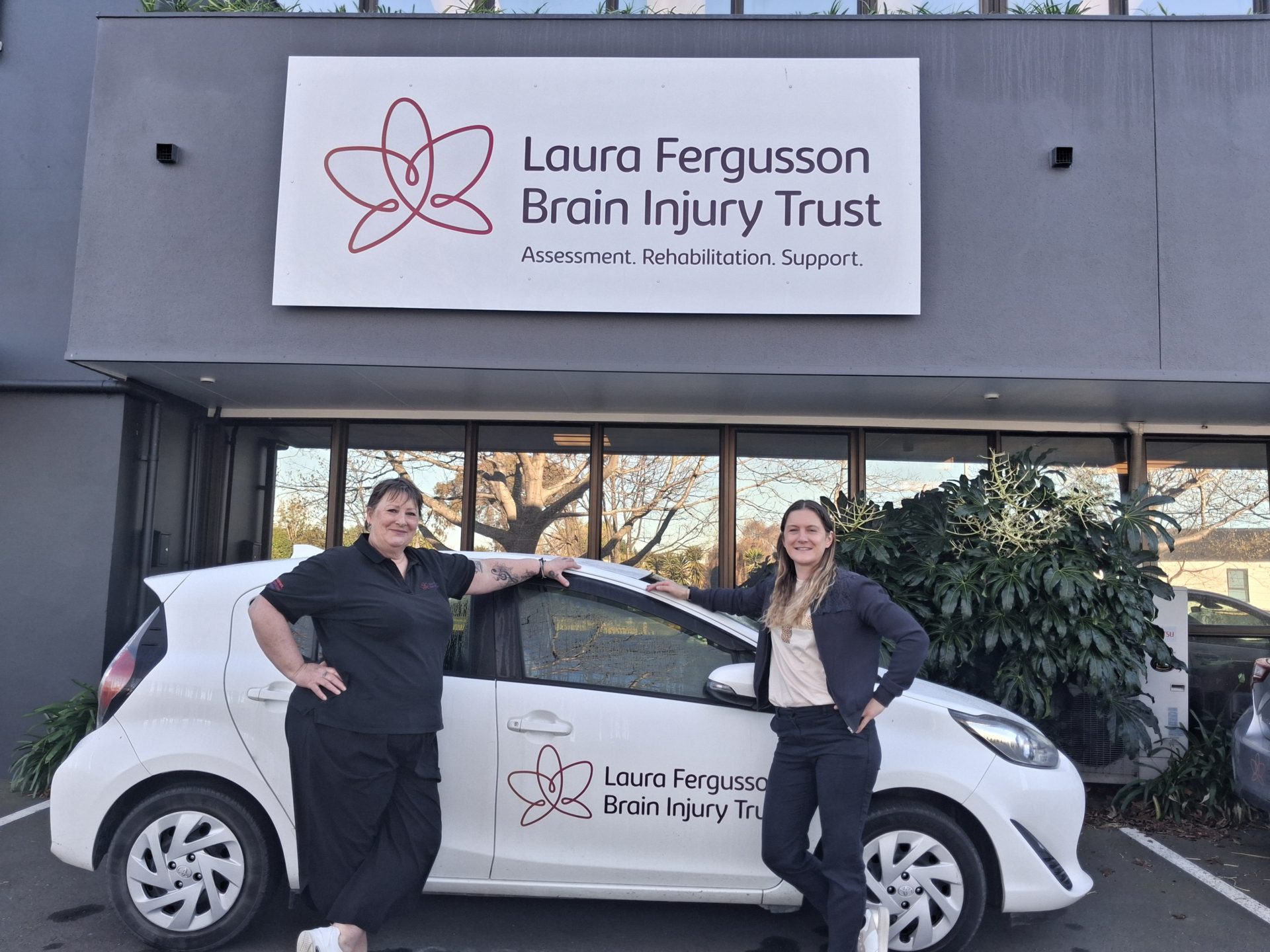
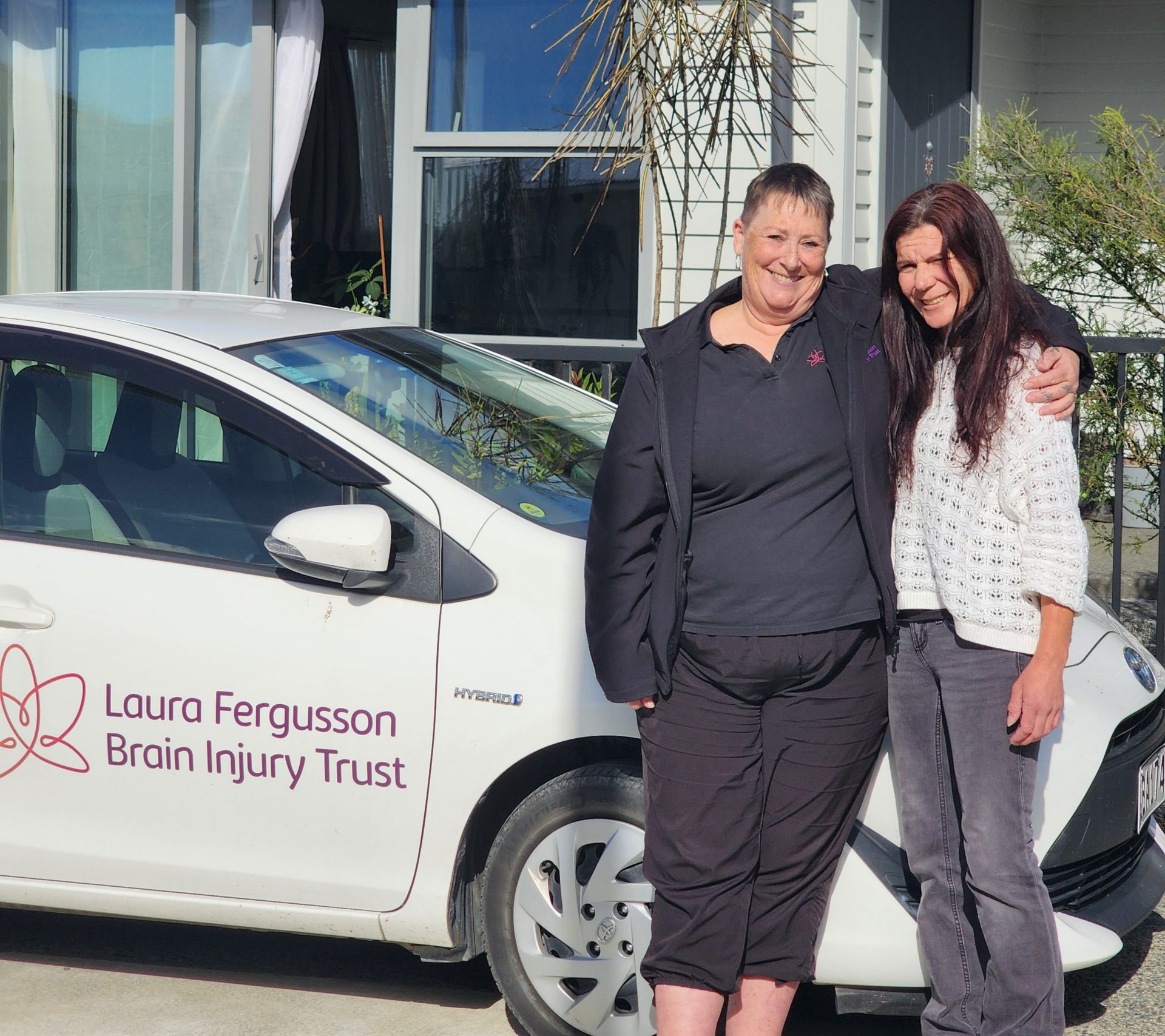
We have a vast range of disciplines here at the Laura Fergusson Brain Injury Trust, and today we would like to recognise the work of Deb Carter and Bev Kelly.  Deb has worked with LFBIT for the past 10 years.  Bev joined the team initially as a Social Work student and then became full-time 2 years ago.

When Deb began work with LFBIT, there was no dedicated role for social work. At the time, she worked part-time as a rehab assistant, and part-time as a social worker.  It didn’t take long before more referrals began to come through and Deb shifted into full-time social work.   Deb comes with 10 years’ experience as a Social Worker in Brain Injury and 53 years living with a family member with brain injury.

Bev has worked for LFBIT for 13 years all up.  Bev has worked as a rehab coach, residential support worker, team leader for Small Group Living, then took on the role of filling in as a manager for residential services and is now a fully qualified Social Worker.

As with many roles at LFBIT, no two days of work are the same. Deb and Bev do a lot of work in the community identifying areas of need. Through this, they can then connect clients with the appropriate resources. This can include things such as secure housing, financial support, family or drug and alcohol services and counselling or psychology services. This work involves a lot of communication between parties, often communication that clients may find difficult or frustrating after a brain injury.

“We work with lawyers, courts, police, WINZ, MSD housing, drug and alcohol, homecare agencies, a huge amount outside agencies,” says Deb. “We know that our brain injury clients can’t always manage to get across what they want to say, so you’re there to help bridge that gap. Deb’s passions include working with the legal system which includes working with the courts, police, lawyers etc and I really enjoy the challenge this brings with it.  The legal system is not set up for disabilities, especially when it comes to brain injury.   Working closely with Oranga Tamariki, Drug and Alcohol input”

Bev’s passions include working with Alcohol and Drug supports, Older Persons with TBI.

As well as this work, Deb and Bev do single discipline assessments through our assessment team.  Additionally, Deb supervises Bev, Social Work university students on placement with LFBIT and Brain Injury Association Liaison Officer Jane Cawood along with being LFBIT’s care and protection officer.

“You’ve got to be able to adapt quickly. You could have a day where you come in and you work trying to help people get into housing, or you’re going to WINZ with someone, but then the next thing you get a phone call and that could be around care and protection. The job keeps you on your toes, and you need to be able to think on your feet. We have both got some complex clients, but they’re great.  It is about working towards gaining the trust of a client and their whānau, once you get it, that is rewarding.”

The LFBIT team, as well as rewarding experiences with clients, is something that Deb and Bev appreciate in their work.

“The teams that we’ve got here are amazing. Our managers are so approachable, Kathryn Jones as CEO is just fantastic, and everyone is very down to earth. If you’ve got things going on in your personal life, they’re very supportive and adaptable for you. It’s just a brilliant place to work.”

This bridge honours the Trust’s first resident and marks a major milestone in New Zealand’s first comprehensive disability and rehabilitation hub

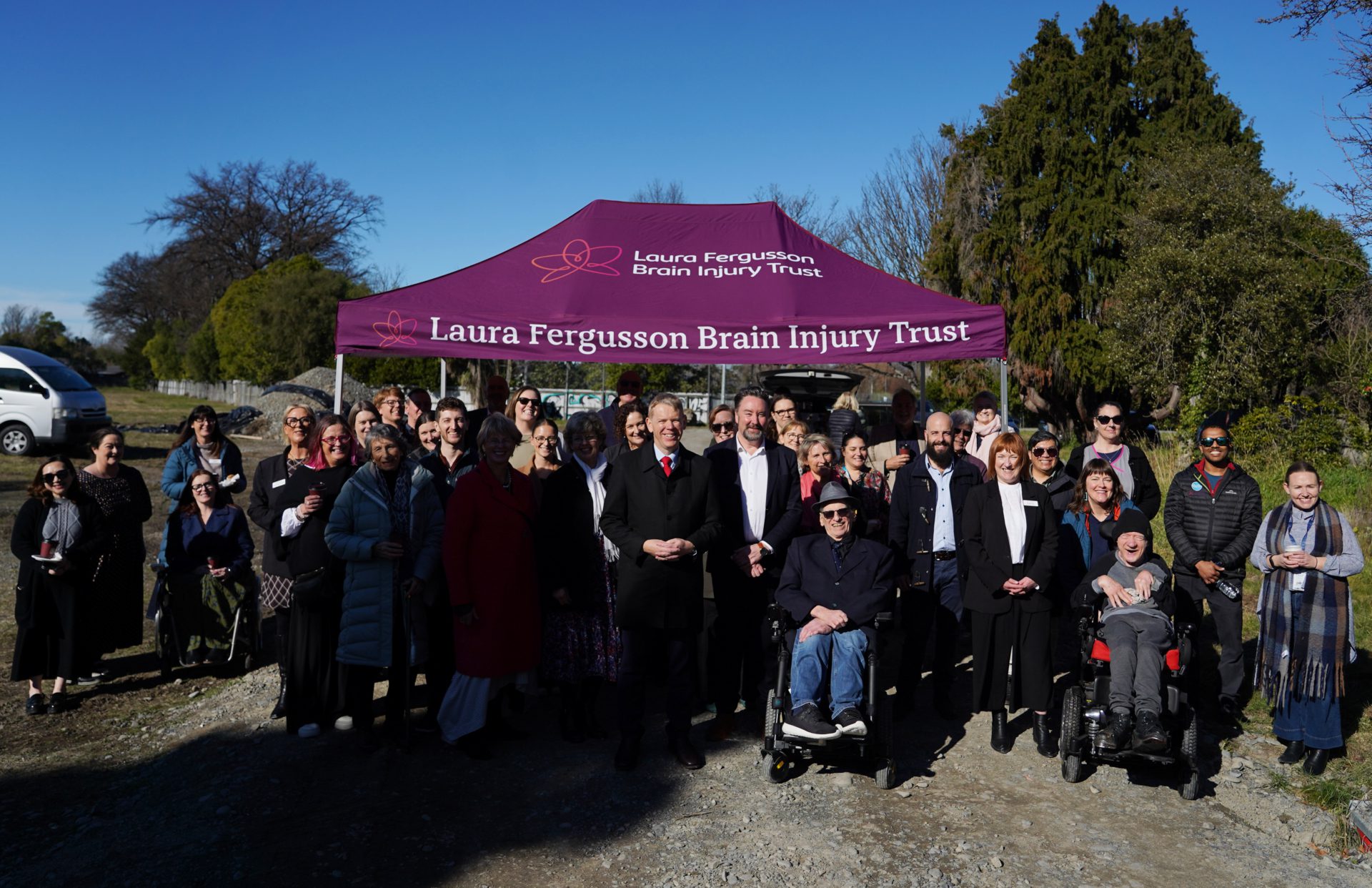
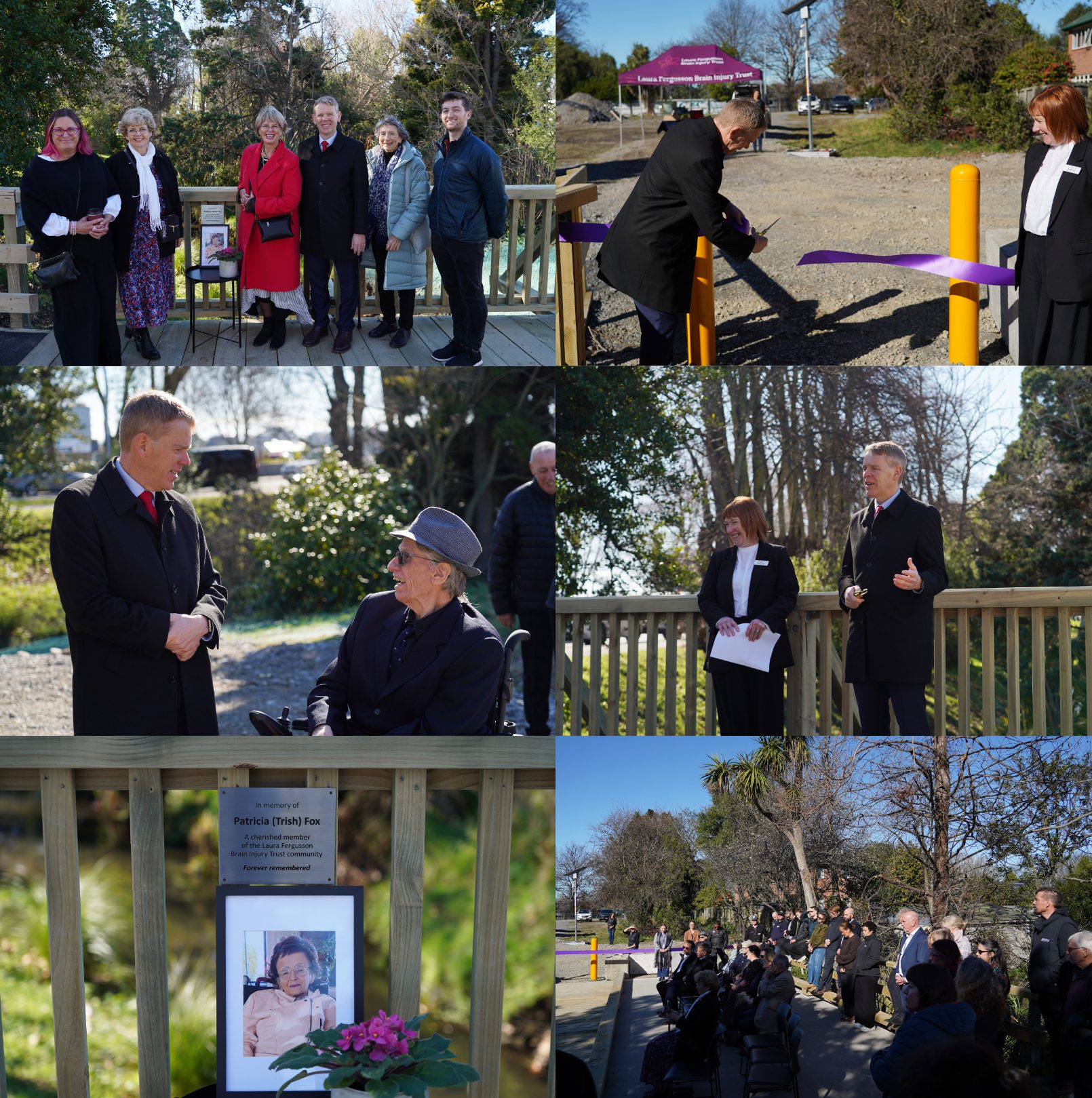
On Friday 14th August 2026, the Trust celebrated a major milestone toward the development of our new accessible housing build with the official opening of our new bridge connecting the site at 126 North Parade across Dudley Creek.

The bridge, which provides direct access between our North Parade property and the Richmond community, represents the first completed stage of the Trust’s vision for New Zealand’s first comprehensive rehabilitation, recovery and supported housing hub.

The development addresses an increasingly urgent need as New Zealand faces a growing prevalence of people with multiple disabilities and complex health conditions, and an aging population within a fragmented health and disability service.

“There is a significant lack of housing for people with complex disabilities in New Zealand. We’re building five, six-bedroom homes, purpose-built for accessibility and community connection to help address this need,” says Laura Fergusson Brain Injury Trust Chief Executive Kathryn Jones.

Mana Whenua led the ceremony as Rt Hon Chris Hipkins officially opened the bridge at a community celebration attended by residents, families, supporters, and community partners.

The bridge was opened in honour of Trish Fox, the Trust’s first-ever resident, in recognition of her lifelong connection to the Laura Fergusson community.

The completion of the bridge is a significant milestone in the Trust’s long-term development project, which will ultimately provide purpose-built homes for 30 residents with high and complex disability needs as phase one, and specialist rehabilitation and clinical services in phase two.

The wider development will replace the Trust’s recently sold, ageing residential facility at Ilam Road with modern, purpose-designed housing and support services that better meet the increasingly complex needs of people living with brain injuries, spinal injuries and other disabilities.

Bridge Dedicated to Founding Resident Trish Fox

Born on 16 March 1962, Trish Fox moved into the newly established Laura Fergusson Trust Home at 279 Ilam Road on 21 February 1978 at just 16 years of age, becoming the Trust’s first Canterbury resident.

She often shared memories of that day, recalling volunteers working tirelessly to prepare the new home for the 15 residents arriving to begin a new chapter in their lives.

The Ilam Road facility had been purpose-built to provide residential accommodation for young people with physical disabilities and when the home was officially opened on 3 March 1979 by Lady Laura Fergusson and her husband Lord Ballantrae, Trish was chosen to present Lady Fergusson with flowers on her arrival.

Trish remained part of the Laura Fergusson family for the rest of her life, living at the Ilam Road home until her passing in November 2024. It was her home for nearly 47 years.

When asked at her 60th birthday celebrations what the highlight of her life had been, her answer was immediate: “The day I moved into Laura Fergusson.”

“Dedicating this bridge to Trish is a privilege,” says Jones. “Trish was a passionate advocate for disability rights and a much-loved member of our community. She was respected and loved by all who knew her. Naming this bridge after her ensures her legacy will continue to inspire future generations.”

“People with complex disabilities deserve homes and support environments that enable them to thrive,” says Jones. “This milestone honours where we have come from, while helping us build a future that will support generations to come.”


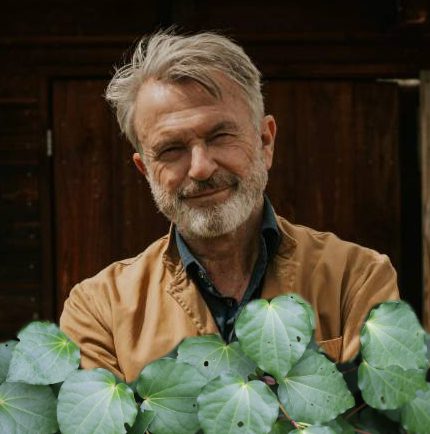
It is with deep sadness that we acknowledge the passing of our beloved Patron, Sam Neill.

For the past seven years, Sam has been a treasured supporter of Laura Fergusson Brain Injury Trust, generously giving his time, voice, and his personal support to help champion our mahi. His kindness and commitment made a lasting difference to our organisation and to individuals and whānau affected by traumatic brain and spinal injury, or other disability.

While the world will remember Sam as one of New Zealand’s most accomplished and beloved actors, we will remember him as a remarkable human being whose generosity enriched our organisation and inspired our community.

Sam’s connection to the Trust was personal. As a teenager, his best friend suffered a life changing traumatic brain injury following a car accident. That friend later came to live at Laura Fergusson Brain Injury Trust, where, over time, he was supported to live a fulfilling and meaningful life, finding love in the process. Sam spoke with great affection about his friend and visited him whenever he could, while he was alive. Seeing firsthand the impact of traumatic brain injury gave Sam a deep understanding of the challenges faced by individuals and their whānau, and a lasting connection to our work.

On behalf of our Board, staff and the individuals we support, we extend our heartfelt condolences to Sam’s whānau, friends, and all those who loved him. Our thoughts are with them during this time.

Sam’s legacy of kindness and advocacy will continue to be felt throughout our organisation for many years to come. We are profoundly grateful for the support he gave us and honoured to have called him our Patron and friend.

Moe mai, moe mai rā, e te Rangatira Sam. Thank you for everything. You will be deeply missed and fondly remembered.

E tū Pōhutukawa
Te kaikawe i ngā mate o te tau
Ruiruia ngā mate ki te uma o Ranginui.
Anā! Kua whetūrangihia koutou.

As the red flowers of the tree fall to the earth,

so too do the people fall;

yet, as the star rises,

the spirits are swept up into the sky.


Kathryn Jones

CE, Laura Fergusson Brain Injury Trust

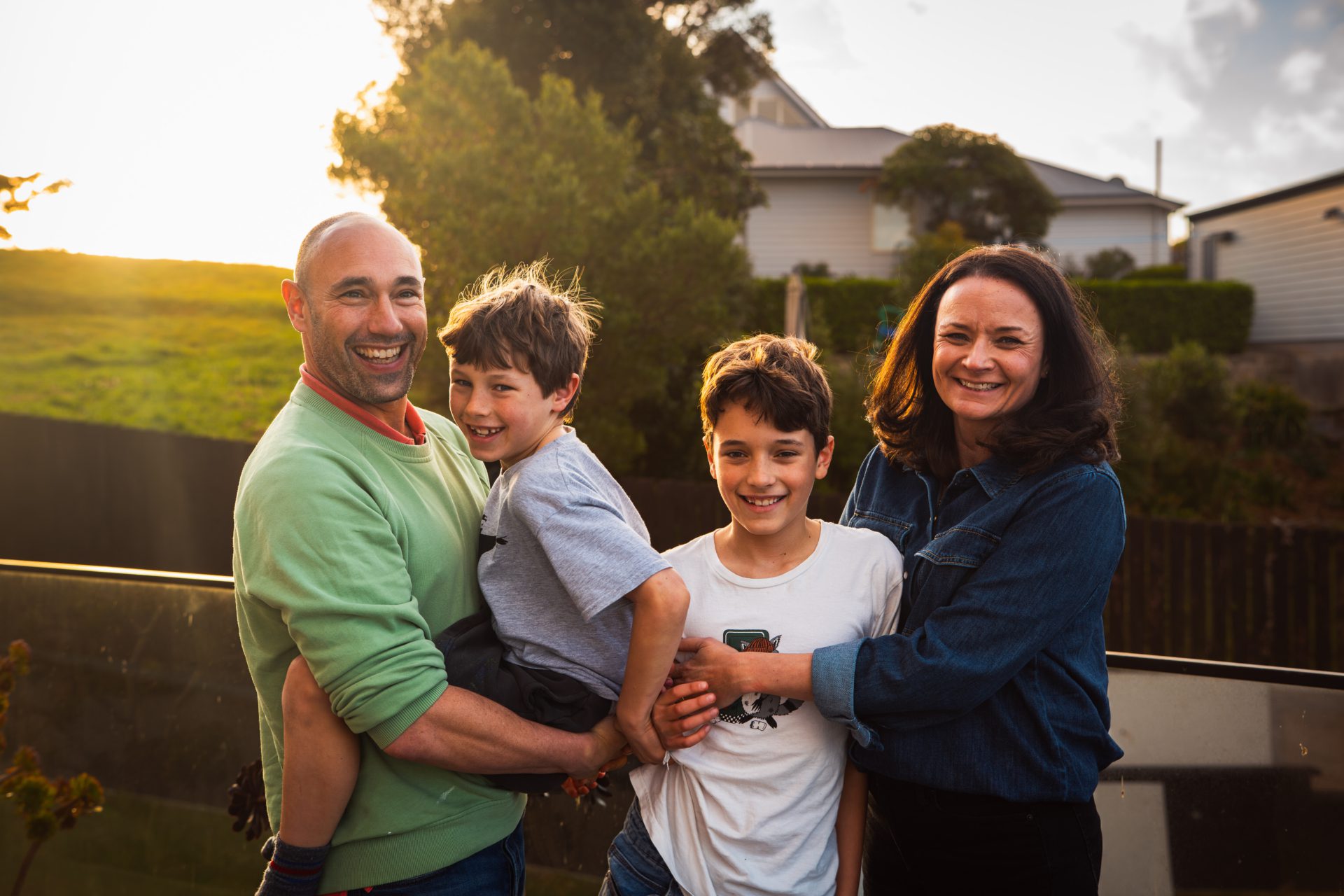
Sarah hoped it was just another fairly ordinary day when primary school aged son Charlie came home from school with a headache following a fall. But this wasn’t just any headache – it was the beginning of a journey that would transform their family’s understanding of traumatic brain injury and reveal the critical importance of receiving specialised support.

A Series of Unfortunate Events

Charlie’s story began with what seemed like typical childhood accidents. A face-plant while BMXing that broke his nose despite wearing a full-face helmet. Then, three more incidents all in quick succession: two balls accidently kicked hard into his face during football, then a fall where his head hit the AstroTurf when a classmate fell on top of him.

“I saw stars,” Charlie remembers. “I vomited the next day.”

What the family didn’t initially realise was the cumulative effects of other head knocks that Charlie had experienced throughout his childhood – a fall from a highchair, a mountain biking accident, and various other knocks that seemed like normal childhood mishaps.

The Hidden Struggle

As Charlie’s headache continued, other symptoms emerged that painted a concerning picture for his parents. Charlie became unusually clumsy, falling over frequently and repeatedly losing concentration. Most heartbreaking for the family, he became overly emotional and angry, particularly toward his younger brother Harvey.

“Dinner time and bedtime became really hard,” Sarah recalls. “He was just massively amped up, and Harvey was getting the brunt of it from him.”

For parents Jez and Sarah, the invisible nature of the injury made everything more challenging. Dad Jez, who had experienced multiple concussions during his rugby-playing days, initially took a casual approach. “I’d had a few concussions in my time, and so was a bit blasé about it as I really didn’t know how serious they could be at such a young age” he admits.

A Turning Point

When Charlie’s GP referred the family to Laura Ferguson Brain Injury Trust, everything changed. A comprehensive assessment revealed the true extent of Charlie’s condition – he couldn’t walk in a straight line, couldn’t stand on one foot, and simple coordination exercises caused him severe headaches.

“It was during that appointment that we realised something was quite clearly very wrong,” Sarah explains.

Comprehensive Care Makes the Difference

The support Charlie received was extensive and life-changing. A physiotherapist coordinated his care, while a neuropsychologist assessed his working memory – results that left his parents extremely worried as they watched their son struggle to remember simple sequences.

Charlie worked with a psychologist who helped him understand his big feelings and gave him tools to manage emotional situations. An occupational therapist, speech-language therapist, and sports physiotherapist rounded out his care team.

“It took time but it helped a lot,” Charlie says simply. “It just helped me feel better and understand what I was going through.”

The Ripple Effects

The injury’s impact extended far beyond Charlie’s symptoms. Sarah couldn’t return to work as planned, picking Charlie up from school at varying times as he gradually increased from half-days to full days over a prolonged 11-month period. The family couldn’t plan activities, and Charlie missed out on sleepovers, camps, and sports while he recovered.

Charlie found himself increasingly isolated from his peer group. “His life was sports and friends, and he couldn’t participate. All these things that make up a child’s social world were suddenly off-limits, which was really difficult to navigate, especially over the summer holidays.” Jez explains.

The Long Road to Recovery

What the family initially expected to be a few weeks of recovery stretched into nearly a year. It wasn’t until July 2025 – eleven months after the initial injuries – that Charlie could begin to return to normal activities like full days at school, sports and later bedtimes.

“We had no idea it was going to take over a year,” Sarah reflects. “Even the sports doctor thought he’d be okay by February, but at that time, we were still really struggling.”

The Difference Expert Support Makes

Without the comprehensive care from Laura Ferguson Brain Injury Trust, the family knows Charlie’s story could have been very different.

“He may have been suffering for the rest of his life,” Jez states firmly. “His adult life would likely to have been completely different to what it will be now.”

Charlie agrees, speaking to his parents: “It could have lasted longer, and you wouldn’t know about it. You might have been frustrated at me because I failed all my tests, and we wouldn’t know why.”

Hope and Advocacy

Now thriving at a new school, Charlie has turned his experience into advocacy. As part of a William Pike Challenge project, he’s volunteering with Laura Fergusson Brain Injury Trust to help other families understand traumatic brain injury and the support available.

His advice to other children facing similar challenges is both wise and hopeful: “It’s going to be hard, but you’ll be okay. You need to rest, and what everyone tells you to do about not playing games, you need to listen, and you’ll be able to play more later.”

A Message for Other Families

For any parent facing this journey, Sarah’s advice is simple but crucial: “Seek out a diagnosis and take the help. Take it seriously and really think about what the ramifications for your child could be in later life if you don’t.”

The family’s story illustrates both the serious impact traumatic brain injury can have on a child and their family, and the positive impacts of receiving specialised support. With care, understanding, and time, recovery is possible. Our team are so glad that Charlie is doing so much better now.
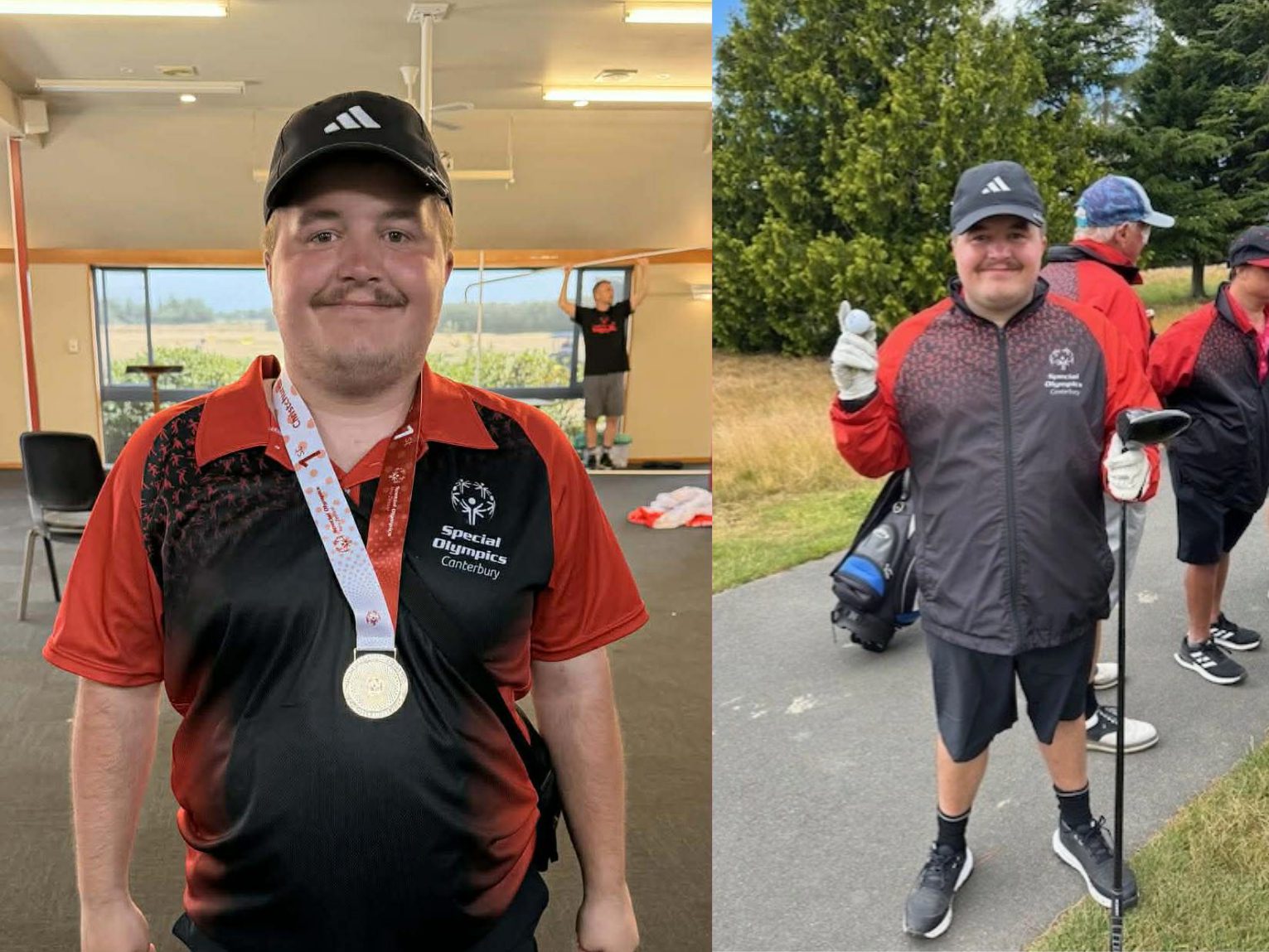
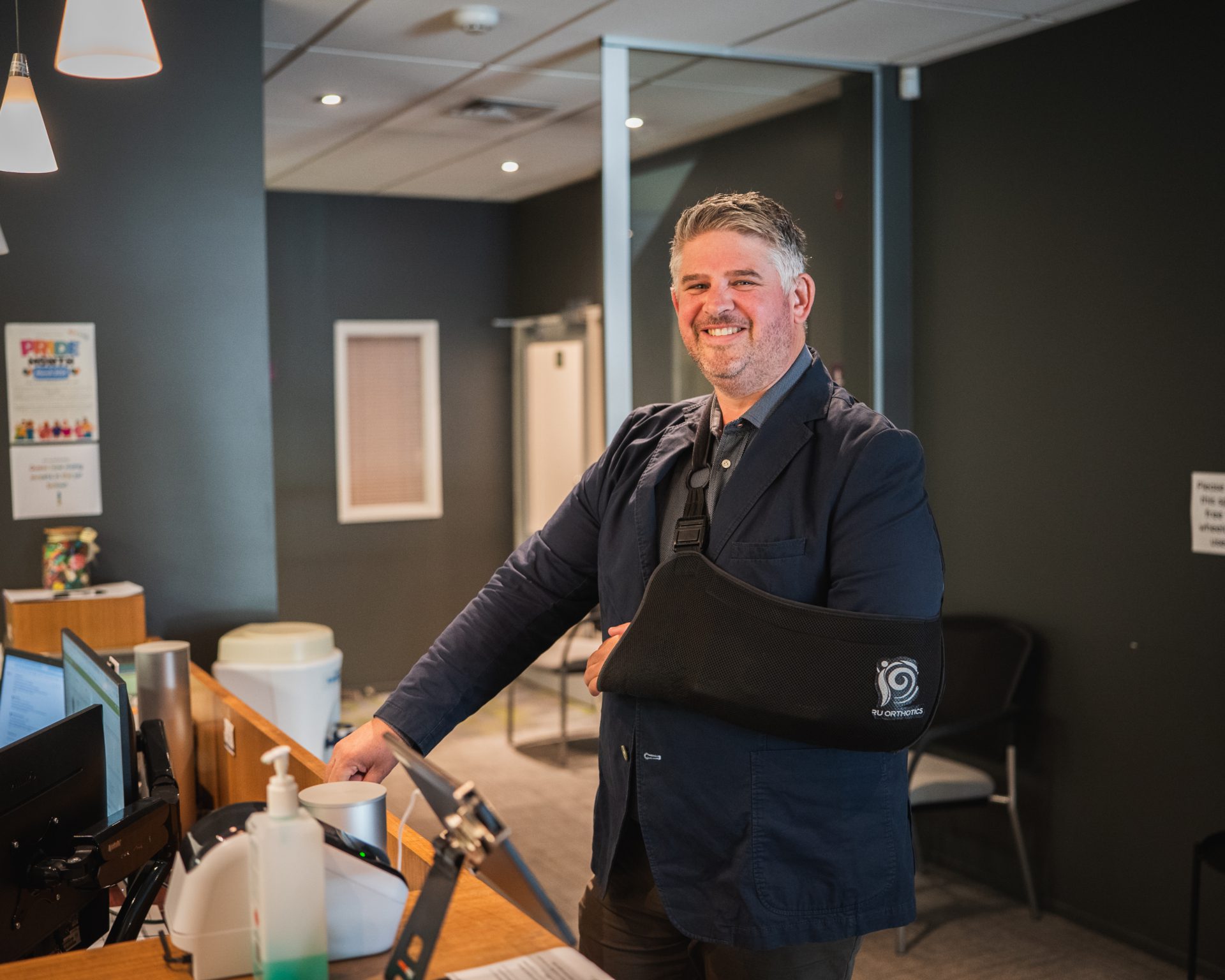
In 2022, we shared Sarah’s story, who received support from the Laura Fergusson Brain Injury Trust after her injury, including support in finding a home.

This week, we were thrilled to see a piece of community support for Sarah that truly warmed our hearts.

For the past three years, Sarah unfortunately found herself in a situation that led to many rough nights of sleep. Sarah has two cats, Steve and Puss, but no cat door for them to come and go. Because of this, Sarah has left her bedroom sliding door slightly open, as there are no windows suitable for the cats to climb into, and to save up for a cat door to be installed would take a huge effort.

“It was going to be way too expensive for me; there would be no way I could afford it. I would be saving for two years and living off food parcels,” says Sarah.

Because of her open door, Sarah’s bedroom has been too cold and unsecure to sleep in. So, she has slept in the lounge for three years. During this time, she had multiple break in attempts, leaving her feeling very unsafe in her own home.

Debbie Carter, Senior Registered Social Worker at Laura Fergusson Brain Injury Trust put the call out to glass companies around Christchurch, to see if there was anyone who may provide support.

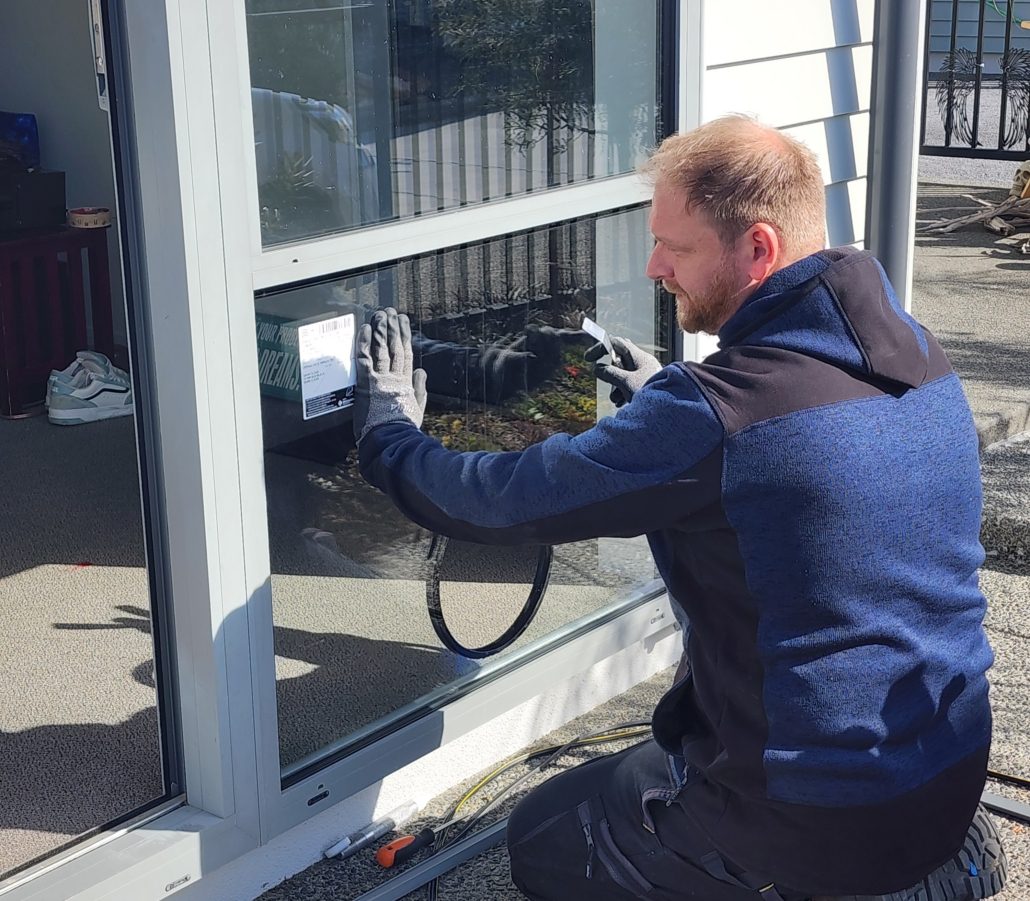
“Sharp Glass got back to me and said, ‘perfect timing, we want to start giving back to the community and this is the best place to start,’” says Debbie. “They came out to have a look and made a plan to put a cat door in the lounge, free of charge. It is going to give Sarah that safety and security that she can lock up her home, she will no longer have to worry about someone entering her home.”

“Having this door installed is giving Sarah her home back. Sharp glass doing this is just absolutely amazing, and we can’t thank them enough for doing this. Our guys with TBI, or anyone in social housing, just can’t afford that sort of security.”

“Sharp Glass has always been a business with “old school” values, so I am always looking at ways to do better in business. With our team, with our customers and our community,” Says Daniel Moore, owner of Sharp Glass.

“Sharp Glass committed to doing 1% of material sales to charity a few years ago and then two years ago I increased it to 1% of all sales. I feel like we have an obligation to do that as part of our role in the community.  This latest initiative is a way for us to help real people, in a real way and it was perfect timing that LFBIT reached out as I was getting it off the ground.”

“I can’t wait to sleep in my own bed tonight,” said Sarah, beaming as Sharp Glass came to install the door.

A huge thank you to Sharp Glass for your life changing support, we are thrilled to hear of the work you are doing in the community.

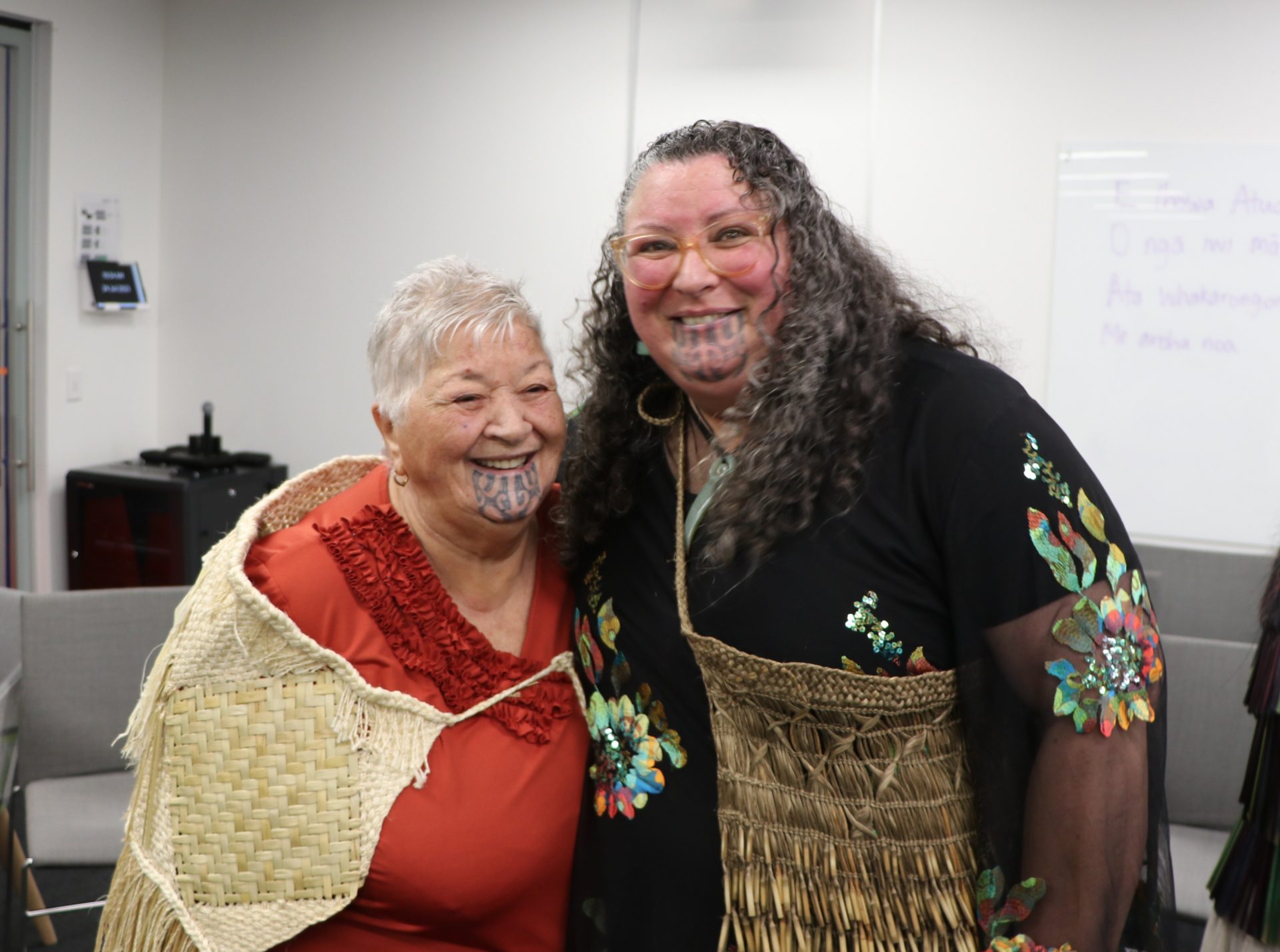
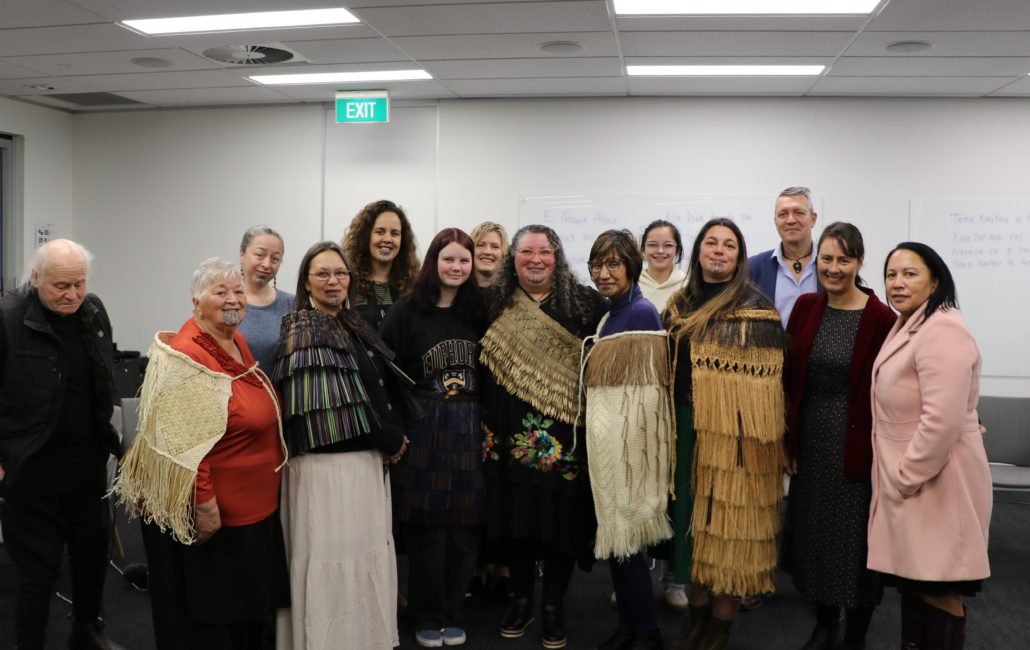
In 2025, Laura Fergusson Brain Injury Trust were fortunate to have our first year with Leisa Aumua, the inaugural Pou Ārahi, Māori Health & Wellbeing Lead. Leisa spent her year on building internal and strengthening external relationships, observing Laura Fergusson Brain Injury workplace culture and providing cultural support to prepare the LFBIT environment for bilingual and bicultural integration. 

The role encompasses an extremely broad range of responsibilities, as it is three roles in one, and Leisa’s day-to-day schedule is never the same. Her daily activities can involve anything from designing resources, creating strategy, writing policy, providing cultural supervision, delivering learning opportunities, meeting with whānau, writing reports, practicing waiata with team members, challenging systemic barriers, supporting people to be culturally responsive, and sharing terminology, for example, terms like mana-enhancing versus mana-diminishing. 

“I wanted to enter this role because I could see the gaps in our communities around how vulnerable people are affected by decisions that non vulnerable people have made,” says Leisa. “I could see the potential of how the whānau that the organisation serves, how the whānau voice is embedded in the work that we do. I wanted to enhance opportunities for that work to grow, and I ultimately wanted to contribute to a better world for my future mokopuna.” 

An example of Leisa’s work can be seen in the support of appropriate terminology for the Trust’s values. When Leisa entered the role, LFBIT had established values, and Leisa supported by adding Kai Tahu reo for the consistency of bilingual inclusion. These Uara are:  

Manaakitaka – We care; we work with empathy and compassion 

Kauanuanutia – We respect; we value and appreciate the people and environment we work within 

Kotahitaka – We are inclusive; we work as a team encouraging collaboration 

Tika me te Pono – We do it right; we include knowledge, education, and communication to support us in our work 

Leisa says what she enjoys most about her work is hearing whānau voice in everything she says and does, and in this, upholding mana whenua in the highest regard. She also enjoys living by the organisational values 24/7 as these are values she holds in her personal life beyond the workplace  

For some people, the organisational values might be something that they just do when they’re at work. But through a Te Ao Māori worldview, values are designed to be a code of ethos for living by. So, we shouldn’t just think about them when we come to work, we should always think about them when we’re out living our best lives.  

One memorable moment from her first year involved a serendipitous discovery during a home visit. At the beginning of her role, Leisa and her Team Leader were on a home visit with a whānau member who had provided cultural feedback to LFBIT, to let them know and acknowledge that they had been heard and developments were being made to progress cultural inclusion.  

“At the end of that visit, the person said, ‘oh, you’re an artist. You can come through and have a look at my art collection’ The person indicated their favourite artwork, and I looked at them and said, ‘I created that artwork!” 

As it turned out, it was a piece of art Leisa had once been commissioned in 2019, a piece of art that had been gifted to this person. And the whānau member was like “this is a Toi Ātea piece, Leisa was like I am Toi Ātea.”  

“It was a nice linking moment, coming full circle.”  

The establishing of the Pou Ārahi role is indicative of Laura Fergusson Brain Injury Trust’s commitment to being a Te Tiriti focused partner, through embedding cultural responsiveness in our services, documentation, systems, policies and relationships.  

Leisa is thankful for the commitment and dedication of her colleagues in being available to have healthy dialogue, to understand roles and responsibilities as Tangata Tiriti, and the importance of collaboration, participation and partnerships.  

“I look forward to seeing how every Team wants to welcome these changes into their work and ways I can support them.”

Thank you, Leisa, for your incredible and essential work across your first year and into the future!

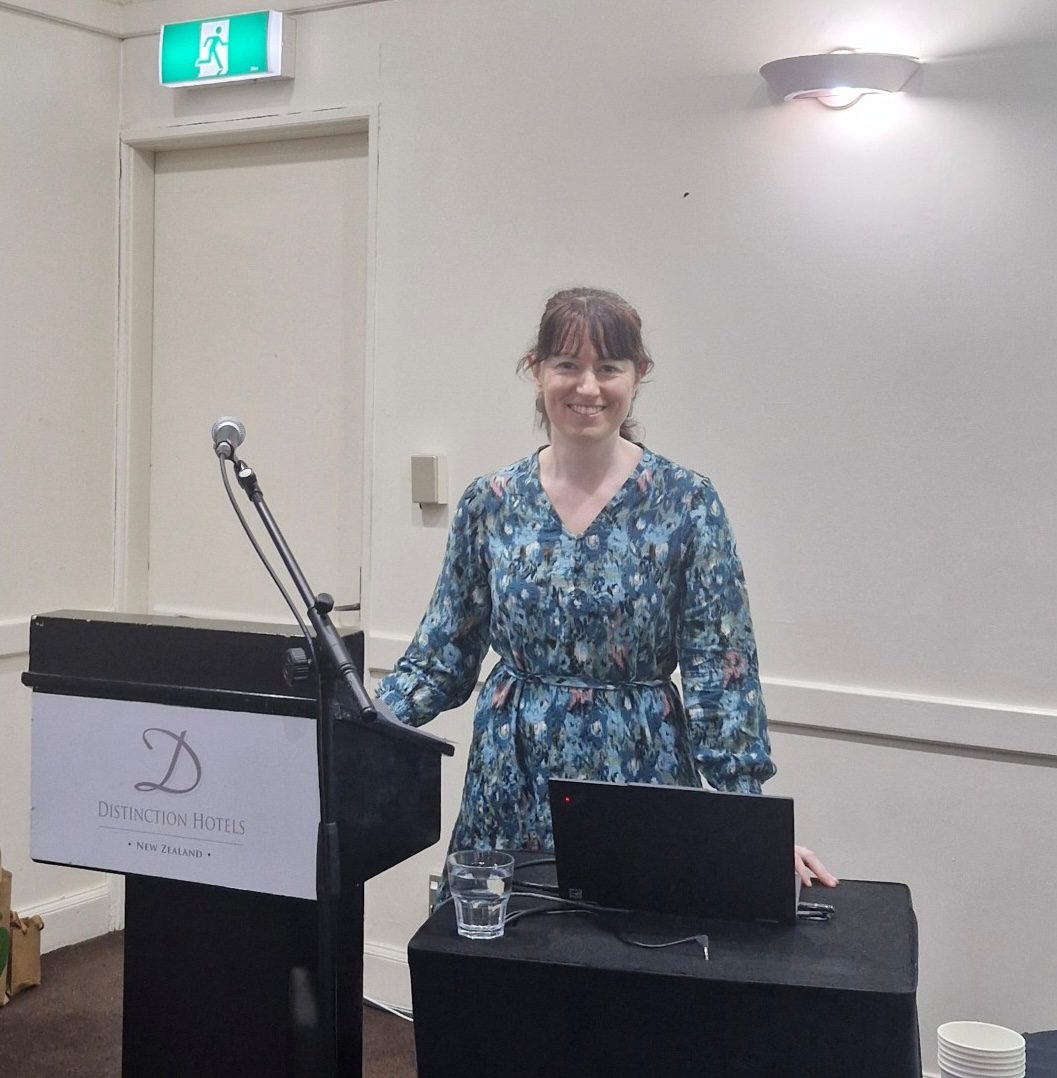
A big shout out to Leanne Mathews, Consultant Neuropsychologist, for presenting at the Department of Corrections national psychology training week!  

Leanne presented on her recently published research looking at youth justice and Neuropsychology. 

The key takeaways from Leanne’s research were:  

  • that neuropsychological assessment is an important tool that provides key information (e.g., cognitive strengths and weaknesses) which allows for individualised and strengths-based intervention with the rangatahi to change the trajectory of youth in the justice system.  
  • There are also high level of risk factors that affect cognitive development in the rangatahi in the youth justice system, and overall lower level of cognitive ability was found.  
  • This tells us that we must consider how we work with youth to maximise longer term outcomes and reduce recidivism. 

Congratulations on taking the opportunity to share your incredibly important work! 

Today we’re delighted to highlight James Dyer, who after sustaining a spinal injury in 2017, worked with Laura Fergusson Brain Injury Trust in his rehabilitation, and now leads cooking groups based at Ilam Road! 

Prior to his injury, James trained at CPIT, now Ara, and enjoyed his career in hospitality as a chef. Then, in late 2017 he had a motor vehicle accident, fracturing his neck, breaking his back, and severing his spinal cord. He sustained a T6 spinal cord injury, placing a halt to his career. His injury caused a loss of sensation from the chest down, and caused issues with his core stability. 

After a six month stay at Burwood Hospital, James immediately began work with LFBIT. This involved physiotherapy, where James worked hard at the gym, and trained his wheelchair control, and learned to transfer in and out of his chair. 

Moving into a new accessible home, James had an occupational therapist visit to oversee the installation a few things to support his independence. This included items such as a shower bench, and a lazy Susan in cupboards to keep everything in reach.  

Most essential for James was his wheelchair and seating support, with even the seemingly smallest adjustments being incredibly valuable for his physical wellbeing.  

“The adjustments that we made last time to the chair made me realise that the entire time I’d just been sitting in my chair wrong,” says James. “It was a twist of a bolt and a slight tweak of back press, and it was like ‘oh, okay. That feels better!”

While James’ initial support from LFBIT is complete, he values having access to specialists when needed. “I can call up at any time and basically ask for adjustments or anything like that, just a phone call away, which is bloody good.” 

“It is so important for the seat to feel right, so paramount to a happy life. It’s just a small adjustment that ends up improving massive levels of comfort.”

During his time with LFBIT, James became interested in the Trust’s social enterprise, Can Do Catering. Post injury, James had tried to get back into hospitality work, but logistically, nothing quite worked. Then in late 2024, an opportunity arose for James to volunteer for the Trust’s weekly cooking group at Ilam Road.  

When coming in for an interview with Marcus Braun, Catering Manager at Can Do Catering, the two realised they knew each other, as James used to study under Marcus at CPIT.   

“I never would have thought that about a decade later I’d just be back working under my teacher again. Luckily, he trained me well!”

James began to volunteer his time on a Monday and Tuesday, where he works alongside residents and support workers with their cooking sessions. He delegates preparation jobs between residents and then assembles the meal in front of everyone to show everyone how it is made.  

“They enjoy it a lot! They’ve even started asking for seconds. It’s cool to be able to give back, even if it is just cooking a feed. If I’m bringing a smile to someone, that’s all that matters.”

After some time working with the cooking group, James also became an employee of Can Do Catering. Often on a Wednesday, but this can also extend to a Thursday or Friday. James has enjoyed helping out with the production of a Can Do Catering orders as they come in.  

 “I’ll help out with making the sausage rolls or whatever’s needing prep in higher quantities. It is getting busier, soon we have an order that is so big we will need all day, and that thrills me! I’m just like, yes, sweet, bring on more.”

“We are thrilled to have James on board as one of the Can Do team,” says Marcus Braun, Catering Manager. “Giving James the opportunity to shine in the environment where he obviously thrives in, is rewarding for us as an organisation and most importantly gives James the chance to utilise his skills and knowledge.” 

 “James’ professional kitchen experience is an asset that we really value, his ongoing contribution towards all tasks that he completes are always at a high standard and with an amazing positive attitude. We look forward to seeing where this exciting journey goes for James.”  

James says he is excited for the future of Can Do Catering, and with the new site at North Parade and planned dedicated space for the kitchen, hopes are high that the work will only continue to grow.  

Outside of work, James enjoys his family life, and spending special time with his ten year old daughter.  

“Between family life, looking out for my daughter, and work, that is all that is needed to fill my bucket.”

We are thrilled to see the progress that James has made post injury, and incredibly grateful for the time that he has invested this year into the very popular cooking group. We look forward to continuing to support you on your journey, as you support Laura Fergusson Brain Injury Trust on ours!  

Skip to content