Archive for category: News

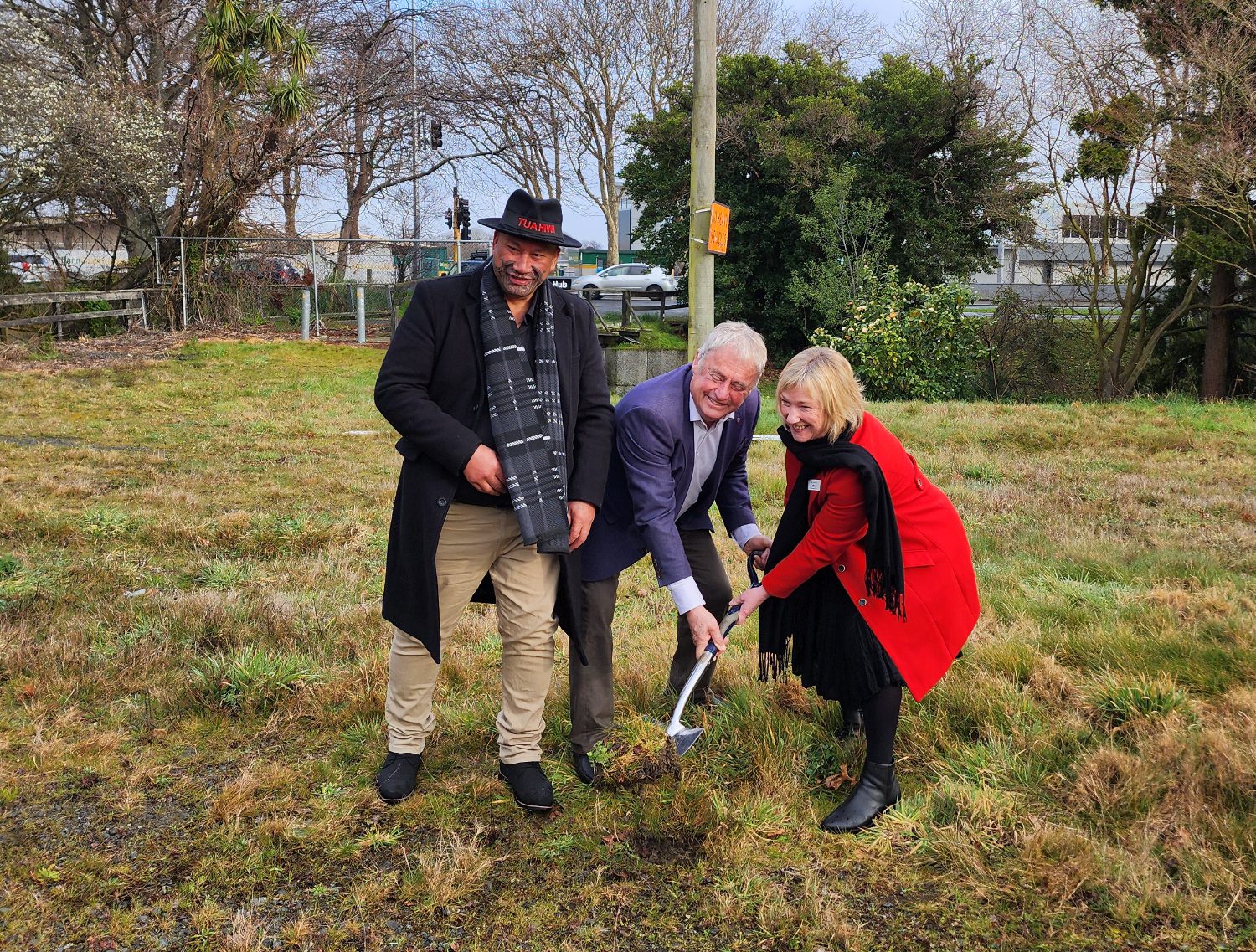
Today we celebrated an exciting step for Laura Fergusson Brain Injury Trust, with a whakawhetai whenua marking the beginning of work at 126 North Parade, our future home.   

We were fortunate to host whānau that we serve, mana whenua, Te Taumata Tapu o Ngāi Tūāhuriri, Right Honourable Mayor Phil Mauger and his wife Chrissy,Richmond, Pareawa Banks Avenue School, members of the LFBIT Board, Senior Leadership Members and Kaimahi.  

Charmaine Tukua-Pouwhare commenced the ceremony with a Pao, short impromptu song of welcome, to acknowledge the theme of the day and those present. It was extra special to have Charmaine, as we learnt that her first role out of school was as a support worker at Ilam Road!  

Next, Jacob Harmon, representing Te Taumata Tapu o Ngāi Tuahuriri, delivered a karakia whakatau, followed by all joining to sing Te Aroha. Mayor Phil Mauger delivered a speech to acknowledge all of the hard work it took to get to this day, and what it will mean for the city.  

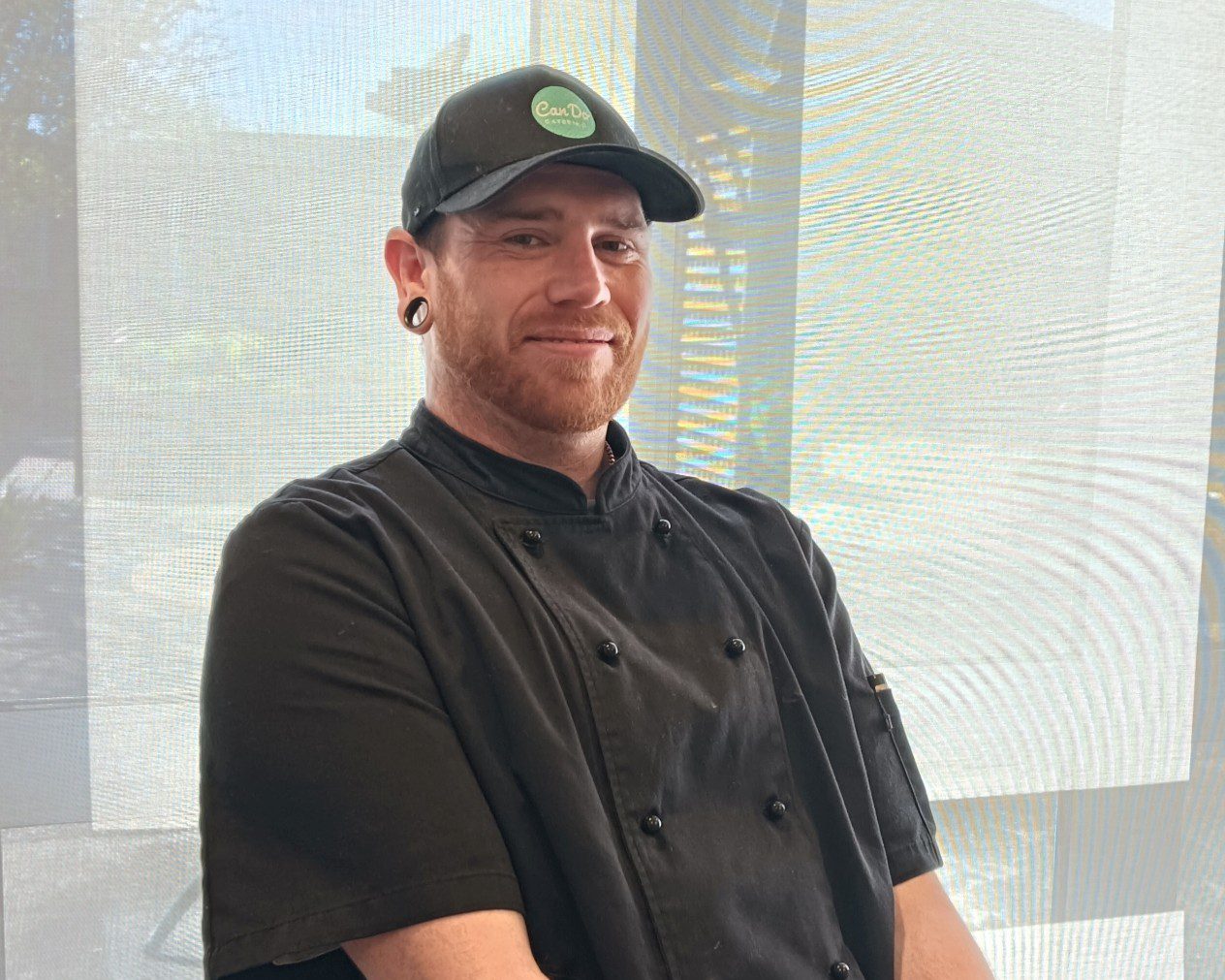
We were able to whakanoa the process and ended the morning together with morning tea provided by Can Do Catering. 

The blessing on the ground is a significant milestone as it acknowledges physically the often-unseen steps to reach this point. It signals a new phase and acknowledges the collective efforts of those who have contributed to the journey to get here, and those who may have moved on or passed on. The blessing also aims to reaffirm mana whenua’s pivotal role in leading spaces and places at the forefront of process and procedure, which is mana enhancing and culturally in sync with the path we follow. 

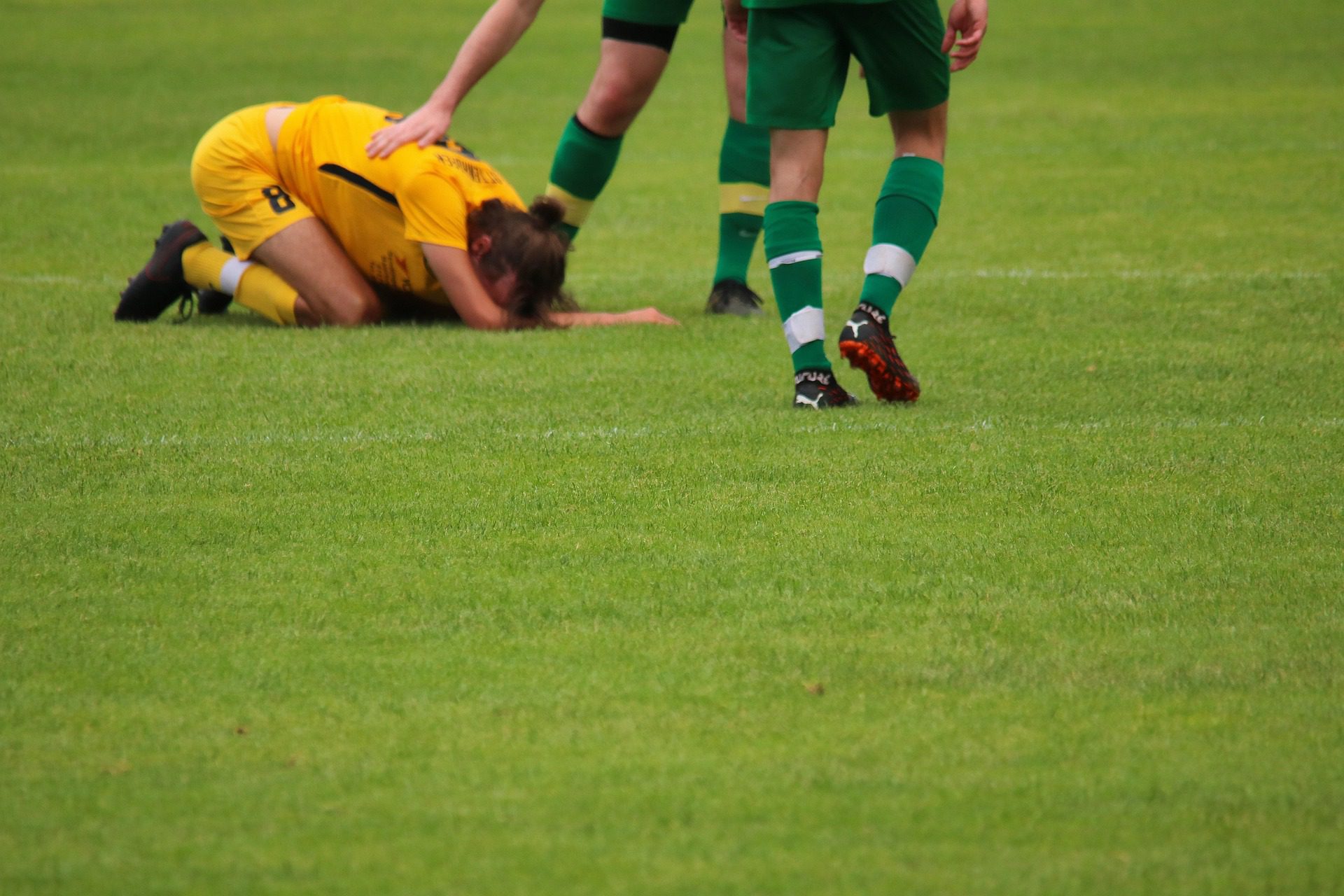
We were pleased to feature on RNZ’s Checkpoint highlighting the impact of concussion in low-level sports, and call for consistent protocols when dealing with concussions in school and local sport to prevent debilitating long-term impacts.  

Thank you to LFBIT clients Moses and Georgia for taking the time to speak to RNZ about your recovery; and to Pat Hopkins, Clinical Manager for Community Rehabilitation, for sharing your knowledge.   

Listen to the report by clicking here

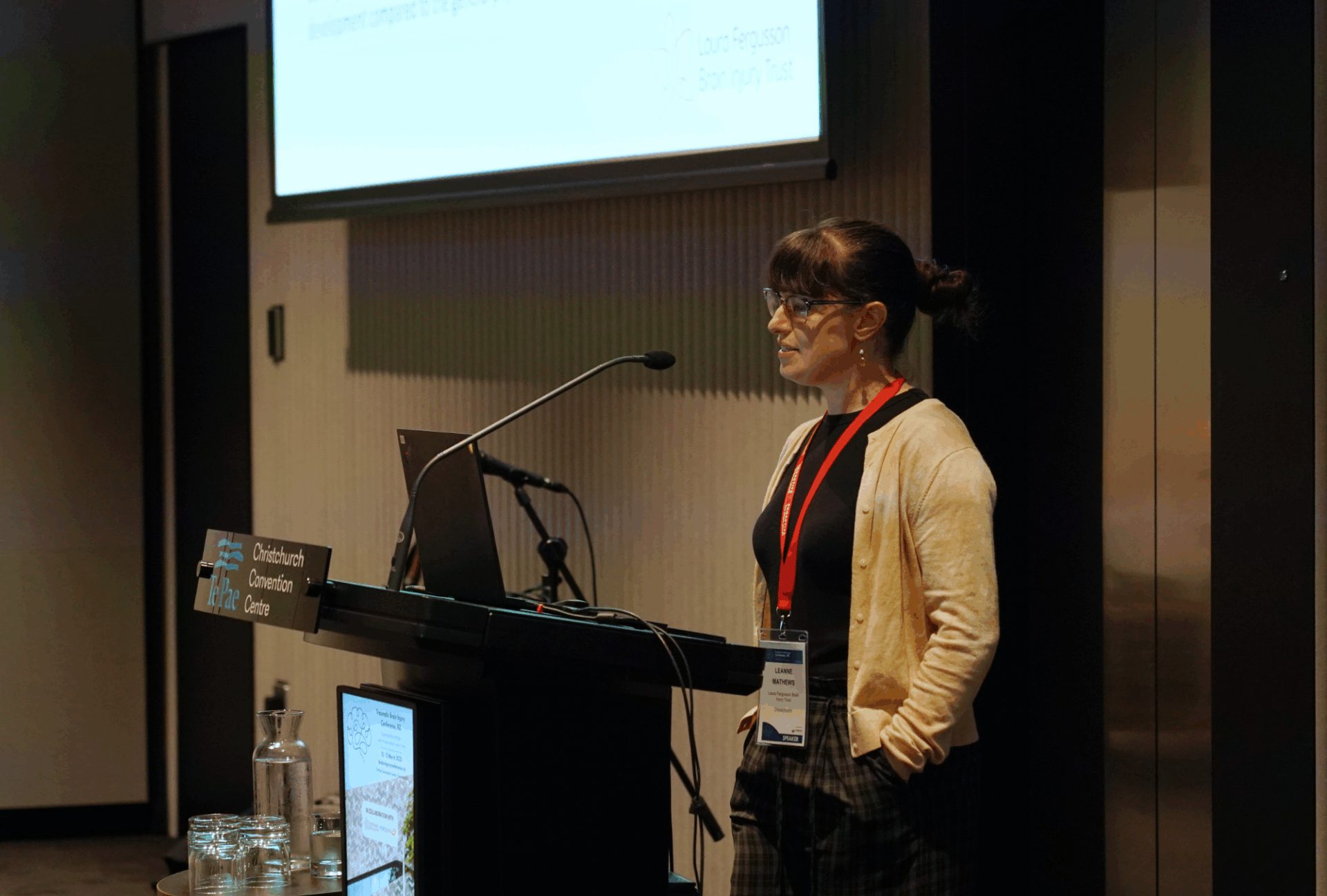
We’d love to acknowledge the hard work of Leanne Mathews, Consultant Neuropsychologist at LFBIT, and say congratulations for recently publishing not one, but two articles in the latest issue of the Journal of the New Zealand College of Clinical Psychologists.

“It was an incredible opportunity to highlight to importance of in-depth neuropsychological assessment to improve the lives of youth in the justice system,” says Leanne. “Neuropsychological assessment allows for more tailored intervention and services as well as increases the implementation of a strengths based approach.”

You can find Leanne’s work at the link below

https://jnzccp.scholasticahq.com/issue/12628

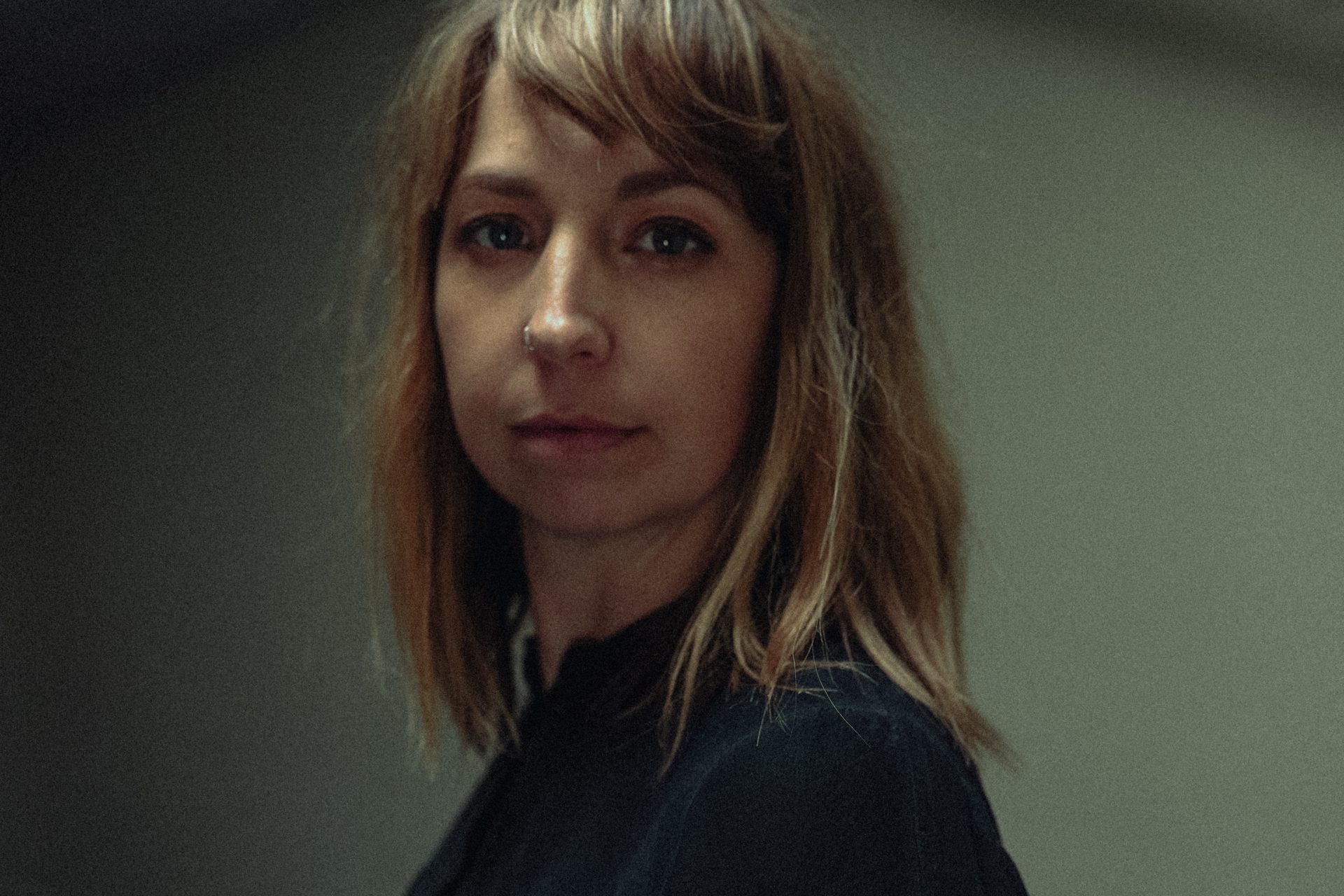
The road to recovery after traumatic brain injury looks different for everyone, and the right pace is the one that works for you. Today, we would like to introduce Bryony Matthews, an Ōtautahi Christchurch-based musician, mother, and someone who has learned how to find the right pace in her recovery after an injury.   

In July 2023, Bryony was knocked off a scooter after colliding with a pedestrian, unaware of their surroundings. While the pedestrian was fine, Bryony fell hard and hit her head on the road. She was rushed to the hospital, where surgeons were called in for emergency surgery after scans revealed bleeding in the brain. Bryony spent two weeks in hospital, with four days in ICU following her surgery.   

Fortunately, Bryony woke with her memory intact. However, after further appointments and surgeries, the challenges that arose from her injury became clear: an overwhelming fatigue that meant help was needed by others for simple tasks, walking became slow and for short bursts; broken bones in her ears led to overwhelming tinnitus and loss of hearing; vertigo and eye fatigue made her feel stuck in a brain fog; sensory overload made places with bright light difficult to be in; and her relationship to socialising was challenged.   

“Socialising sometimes gave me a feeling of heavy depression,” says Bryony. “I was trying so hard to be my old self, but everything was so difficult, and no one could see that on the outside. I found myself trying to explain things to people who would ask me how I was, and that would be incredibly draining and depressing”   

Three weeks after her injury, Bryony was referred to the Laura Fergusson Brain Injury Trust.   

“When arriving at LFBIT, I was a terrible mess. After talking to my occupational therapist, I came outside and broke into tears out of sheer relief knowing that there were people to help me through everything. I didn’t realise the stress I’d been feeling from trying to figure out how to recover. To this day, I call OT’s angels; they are there to help you through everything from ACC admin to just talking and guiding you through life.”  

Bryony worked with a physiotherapist to help ease challenges around her fractured jaw and eye fatigue, as well as management for vertigo. She also worked with a neuropsychologist, who helped her work through the stress and feelings that come with having to face a new way of life.   

“Knowing that I had them to fall back on took off such a weight. Their kindness and patience with me made me always feel at ease.”  

Two years on, and Bryony is doing very well in her recovery. She is back to work, working reduced hours and many from home to manage fatigue. While she still faces fatigue and finds frustrating moments of forgetfulness or clumsiness, she is living life to the full and has accepted that things may never go back to the way it was.   

“The bittersweet silver lining of this journey is that I was forced to stop and slow down. While working with my neuropsychologist, I took on a new mantra: ‘Do Less.’ This is something I constantly remind myself. I have become aware of how strong, resilient and persistent I am. At times I felt weak and miserable, but I have such an amazing community of family and friends who have made me see how well I have done and am doing, and I know that they are right.”  

Day to day, Bryony loves spending time with her young family, travelling together, and working on music and art. Currently, her focus is on producing a six-song album and live performance to tell the story of her injury. To raise funds, she has recently launched a Kickstarter campaign, which you can find at the bottom of this page. The project aims to help people understand what it is like to go through recovery, as well as give a voice to those with TBI by making the invisible visible to others.  

Being patient, kind and understanding with yourself is advice that Bryony would give to anyone going through recovery.   

“This kind of recovery can be very long and is not linear. You may feel like you are doing so incredibly well, and then crash back to feeling awful; that is ok. It is important to work hard, but also to let yourself rest and surrender to what you cannot instantly fix. Listen to your body, don’t push yourself too hard. Do less, be aware and be grateful for the small, beautiful things that make life wonderful.”

Thank you, Bryony, for taking the time to share your journey. We wish you the very best in your continued recovery and ambitions with your new record! You can find more information about Bryony’s album and Kickstarter campaign below.

https://www.kickstarter.com/projects/bryonymatthews/songs-of-survival-music-from-my-brain-injury-recovery 

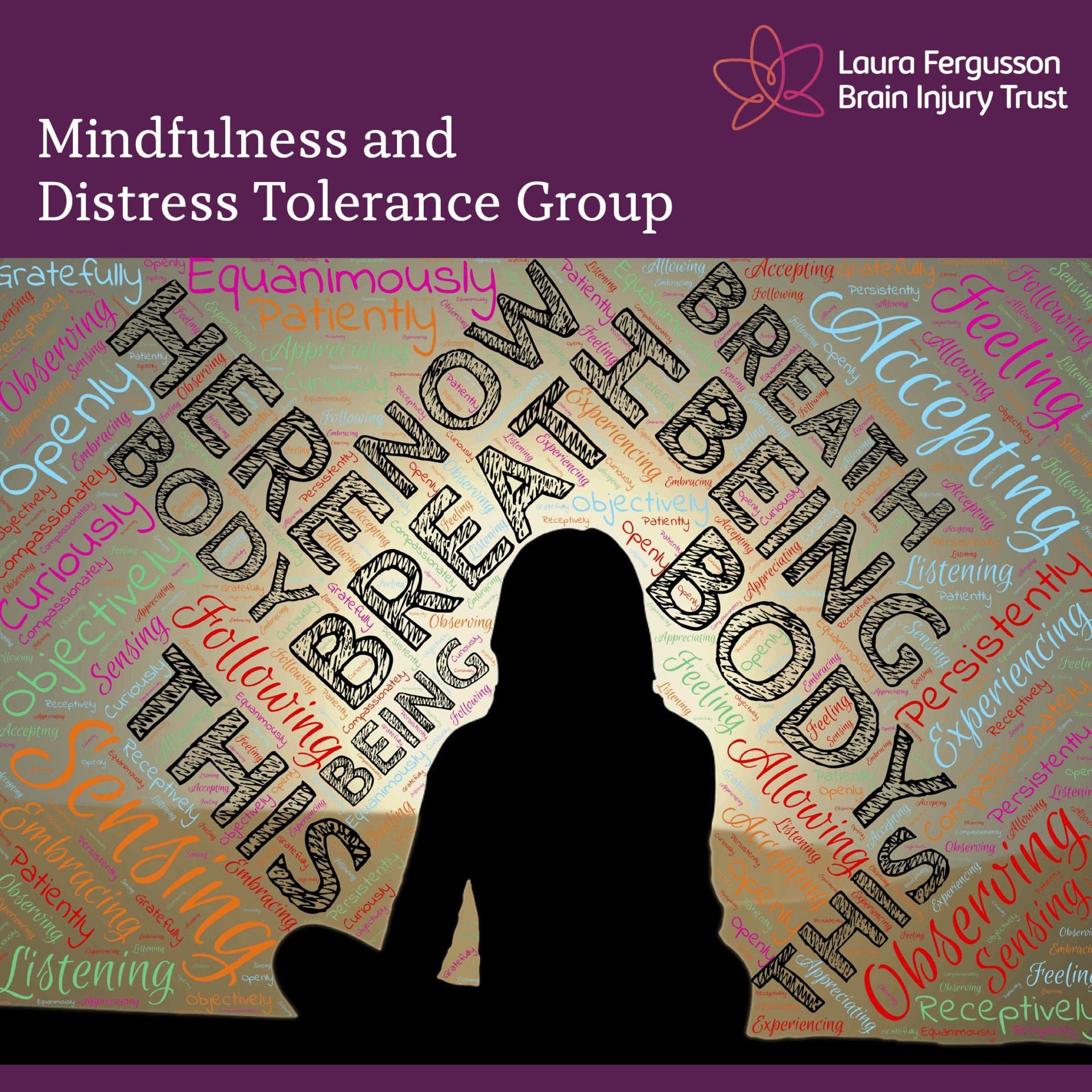
We welcome eligible people to join our Mindfulness and Distress Tolerance Group.

This group will introduce basic mindfulness and distress tolerance techniques and focus on how such strategies may be useful to regulate mood, manage fatigue and improve memory.

Each session will consist of shared discussion of different qualities of mindfulness and distress tolerance, along with two exercises and specific strategies that can be used on a daily basis.

There will be six sessions of the mindfulness and distress tolerance group from Tuesday 22nd of July though to the 9th of September – 1:00pm – 2:30pm. If you are interested and to see if you are eligible, please contact Leanne Mathews – leanne.mathews@lfbit.co.nz

Our talented team provide training and education sessions across a variety of codes.  

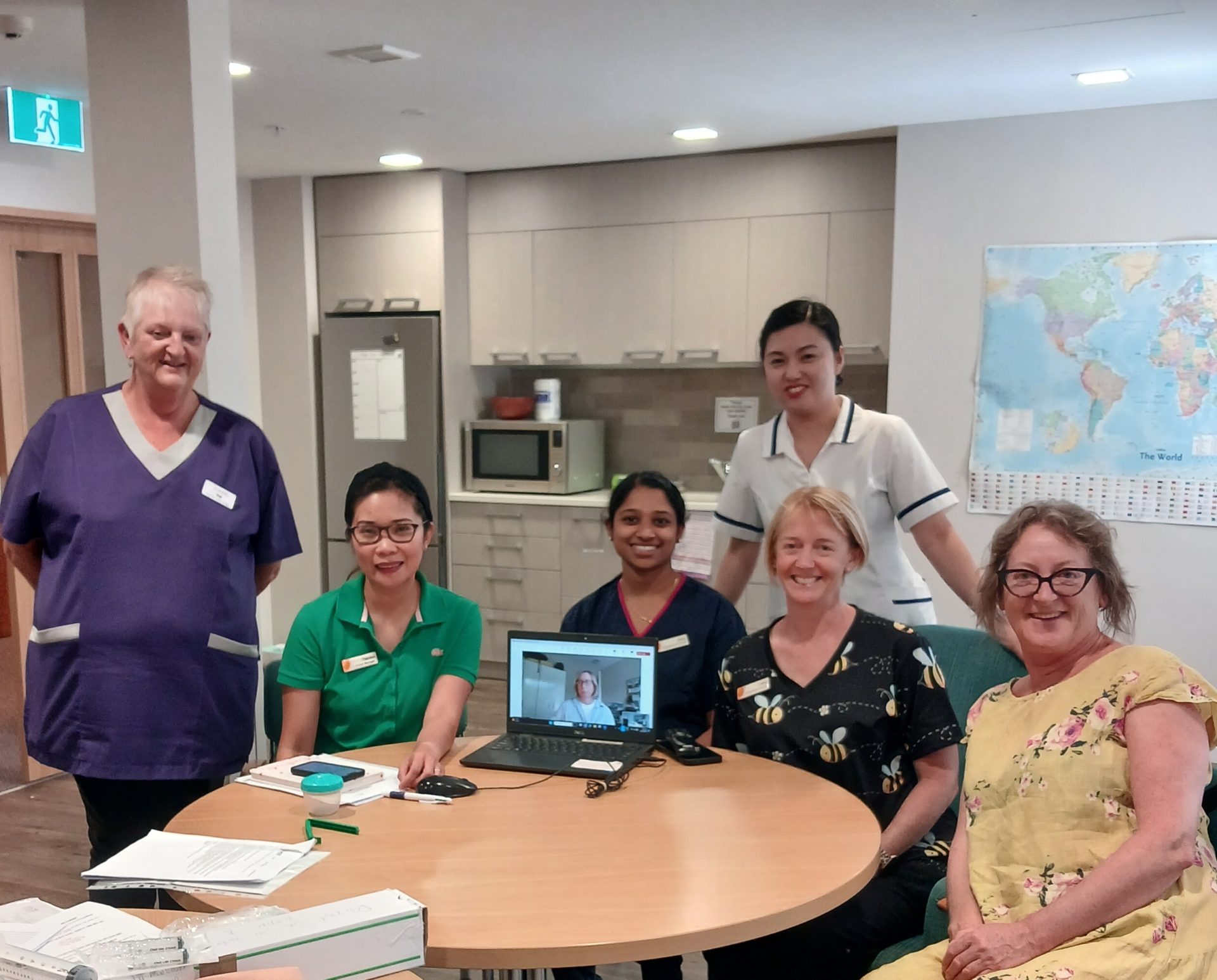
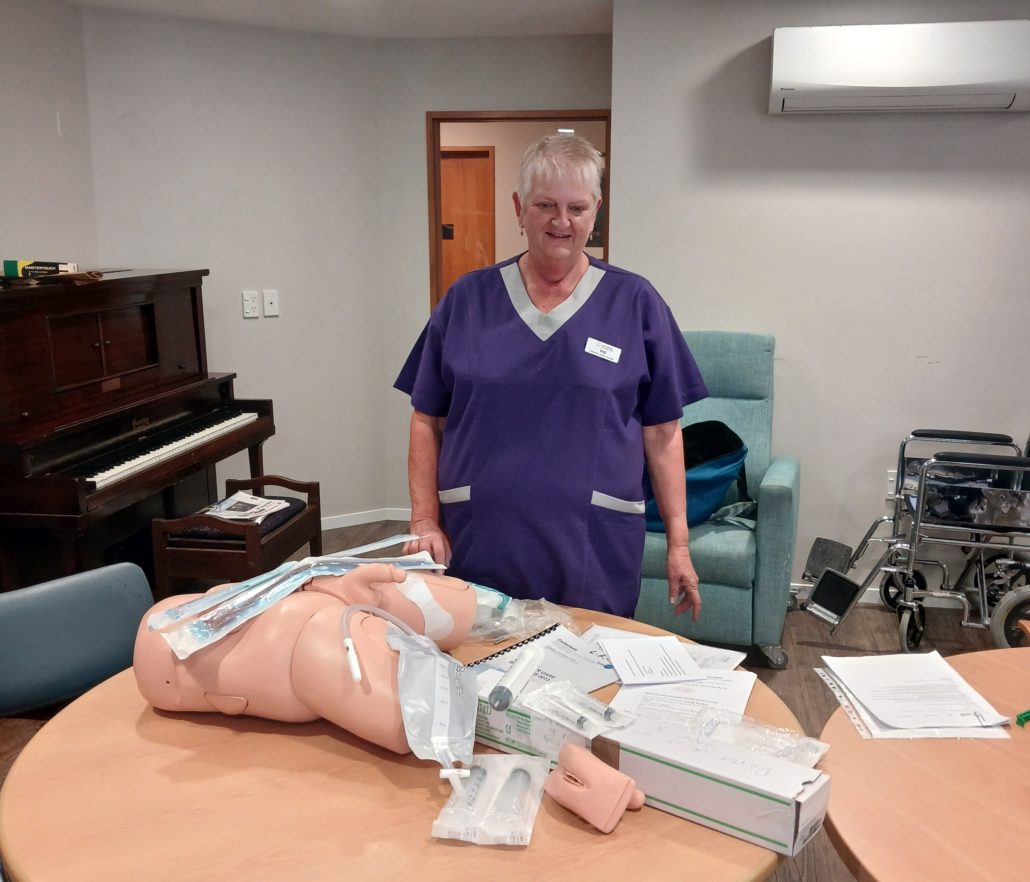
Recently, Val Sandston visited Arvida Rest Home for a training session on the use of suprapubic catheters. This was a great opportunity to share knowledge, and the team of nurses were grateful to receive guidance and assurance around correct procedure. 

Thank you Val for heading along and sharing your expertise! If you are interested in booking a training session for your organisation, or want to enquire about a different session from our expert team, please don’t hesitate to contact Katie Hodge, Service Development Manager, at katie.hodge@lfbit.co.nz 

Offered by the Laura Fergusson Brain Injury Trust, this group is designed for individuals who have experienced a traumatic brain injury and want to improve their communication skills and confidence. The programme combines education and practical tools to help participants better understand the effects of brain injury on communication, thinking, and emotional regulation. 

Through interactive group sessions, clients explore topics such as social communication, self-awareness, and managing cognitive and emotional changes. The group also supports individuals to develop and work toward their own communication goals, providing a safe and supportive environment to practise strategies and build confidence. 

A key strength of the group is the opportunity to connect with others who have shared similar experiences. Participants benefit from building peer relationships, offering and receiving support, and learning from each other’s insights and strategies. Whether it’s returning to work, reconnecting with friends, or navigating everyday conversations, the group empowers individuals to communicate more effectively and build positive, lasting social relationships. 

Below you can read how great an impact the group has had on participants: 

  • “Actually, to listen to someone saying that [a strategy], whose lived that, it’s quite meaningful… what strategy they’ve put in place to deal with certain things… nice to know others out there [with a TBI] not just me… hearing the others fellows talk, you know it’s not just me, [I] can relate to it…. I hear something [a tip] and I can put it in my pack for later when I need it.” 
  • “I’d advise anyone who has had a brain injury to take part.” 
  • “Opened my eyes and ears to things that I am going through.”  
  • “It was great to meet people on the same level who can offer advice and experiences… Just understanding what I am going through, they have been here as well.”  
  • “I felt listened to… really heard.”  
  • “I learnt a lot about how to work on my relationships with others, I learnt a lot about myself as well.” 
  • “10/10.” 

Pat is Clinical Manager Community Rehabilitation for Laura Fergusson Brain Injury Trust. She is also a physiotherapist who has worked in the traumatic brain injury and concussion field for over 30 years, including vestibular rehabilitation. Her son Rob currently works as a rehabilitation coach for LFBIT, and this story is Pat’s perspective on the concussion injuries he experienced as a teenager.

When Rob had his first concussion in year 9, he called me from the bus back to school from playing school rugby at Hagley Park and said, “I got knocked out … legit knocked out.” Not what I was expecting or wanted to hear. He sounded OK though, so I wasn’t too worried. I knew we could deal with any symptoms he may have. I mean, it’s what I do every day, right?

No one had seen Rob fall and hit his head on the hard ground. He missed the teams playing down to the other end of the field to score a try, and the team and coach only noticed when he remained sitting where he had fallen. They helped him off the field and that was about it. No other attention back on the bus at the end of the game, no contact made with us. Later, the school was made aware of their poor communication.

Rob recovered pretty well really – a few days off school, some vestibular treatment for dizziness and advice from Mum.We witnessed the second concussion for ourselves the next season. Rob was playing for Prebbleton club at the home grounds and had what looked like a glancing clash of cheeks with a teammate. In fact, when he got up and was wobbly on his feet, I thought he had injured his knee. He was distressed and helped to the sideline. Then it was obvious it was not his knee. He could not tell us what the score was, what day it was or where he was. That was scary for him and for us. This time, he had a week off school, returning for half days for another week, before returning full-time. Not too drastic in year 10.

We allowed longer than the recommended time off rugby and followed the return to sport protocols, building up to match fitness without symptoms of any kind.

In the last few minutes of the last game of that season, he was tackled head on, which ended up as a head clash and concussion number three. Fortunately, the effects at the time were not so bad again and Rob didn’t need any time off school. It was the end of the season so he had plenty of time off rugby before playing again the following season.

The fourth concussion was the worst. This time, the phone call was from the referee of the school game in Darfield, who said Rob got his head on the wrong side of a tackle. Rob couldn’t call because he was in an ambulance on the way to Christchurch Hospital. As well as hitting his head, he had no strength or feeling in his hands. My knees went weak as I walked to my car… another concussion and a possible spinal injury.

When I arrived at the hospital, Rob was being wheeled into emergency. He was awake and in a neck collar. He said that some of the feeling was coming back in his hands, which was a huge relief – that was hopeful. After being examined by great doctors, the decision was made to admit him for X-rays and scans. The brain injury did not seem too bad this time. He mainly had a headache at this stage, his memory and cognition appeared pretty good. The main concern was the spinal injury, but he was gaining strength back in his hands by now so that too seemed to be improving. Fingers and toes crossed.

Rob was admitted into the Orthopaedic Trauma Unit rather than a paediatric bed, which meant he could have specialised nursing care for the suspected neck/spinal injury. They weren’t too worried about his head. He was still in a neck collar and was log-rolled by six staff at a time to keep his spine aligned. But they still needed to rule out any spinal cord injury. It was hard to tell if his concussion was significant, as he was lying very still and not doing anything, but he was awake and alert and the headache was manageable, which was all positive.

After a visit from his Dad and sister and a fairly sleepless night, we settled in for the wait for an MRI. Emergency cases kept coming in and beating Rob to it. By now, he was getting frustrated, not being able to move or get comfortable with the neck collar. Finally, he had the MRI. We now had to wait for it to be read and find out whether there was cord damage and what the plan would be. We were hopeful because, by the end of that day, his strength was pretty much back to normal. A nurse told us the specialist was coming in and would look at Rob’s scans and we should know something by late afternoon. By 10pm, Rob was incredibly uncomfortable, and I was tired and turning into a very grumpy “one of those parents”. I needed to know what was happening. Another nurse heard me, calmly asked what the matter was and within an hour we had a registrar there to say the scan was clear, no cord injury. Hallelujah! As it was after 11pm by then, we stayed another night, but Rob was able to take the collar off and get more comfortable.

The next day, Rob was dizzy when he got up, and a physio came to check him out. She thought that it might be dehydration making him dizzy. I thought, “We’ll check that properly when we get home.” Vestibular rehabilitation was and is still not commonly taught in undergrad physio training so often not looked at as part of concussion management in New Zealand hospitals, although this is changing slowly. An occupational therapist came and did some cognitive assessment, which showed some issues with memory and processing speed but nothing too awful. So he could go home. I asked for a referral to the Concussion Service – it was not offered. Again, this is now slowly changing, and referrals for follow-up input are becoming more common.

Dizziness treated, lots of rest, four weeks off school or part days later and Rob was pretty much recovered. We decided that we needed to be parents and not therapists this time, so a colleague completed the concussion service with him and dealt with the school. That was a very good decision and saved a lot of stress for all of us. School staff tend not to understand concussion like they would a broken leg so often need to hear that professional tell them what is needed. Sometimes they don’t listen to a parent the same.

It was by now near the end of the season, and Rob was not going to play again for now. The registrar at the hospital had said, “After four significant concussions, if it was my son, I would recommend for him to not play rugby again.” Rob was not ready to hear that and neither was his Dad, who was also his coach. Around that time, I came across a movie called Crash Reel about an American Olympic snowboarder who had a significant brain injury when training. It followed his recovery and ultimate decision not to compete again for fear of reinjury. Part of the movie shows him visiting another snowboarder who chose to train again after his own brain injury.

Unfortunately, he did have another traumatic brain injury, resulting in significant and permanent cognitive and physical disability. I watched the movie with Rob, who was profoundly affected by this and made his own decision not to play rugby again. This was a huge decision for him as a very good 14-year-old rugby player with great potential. The next season was particularly hard while his mates started playing, but he loved rugby enough to volunteer to help Dad (Kevin) out with coaching his old team and he was water boy on Saturdays. He loved being part of the team still but missed playing hugely. It was incredibly hard for him, and all we wanted to do was to let him play, but each concussion was affecting him more and the risk was too great.

Unfortunately, that was not his last concussion. While standing on the field at school in year 12, one of the other boys ‘tackled’ him and he hit his head on the hard ground. He was dizzy again and developed headaches. So more time off school and more vestibular treatment from me. Thankfully, he made a full recovery after a few weeks.

My advice for any parent of a child who has a concussion is to seek help. Keep asking for help until you get it. Be that demanding parent if you need to be. We had an advantage being ‘in the business’ but we still needed professionals to be involved, especially with the school. And your kids will tend to listen to the professionals about rest and time off devices much more than you! You also need to follow the advice of professionals when it comes to returning to sport – whether it is the timing of that after one injury, i.e. not too soon, or whether to return at all following several concussions. Who knows whether Rob would have been affected more if he had continued to play, but we could see that he certainly was affected significantly every time he did hit his head, even with what looked like glancing blows. One day, research may show why that is, but for now, we do know that all concussions are real and need to be taken seriously and that recovery can look different for everyone.

Before my injury, life was very active, social and exciting. I played rugby for school on Wednesday afternoons as well as for Prebbleton club on Saturdays, with training on Tuesday and Thursday nights. I would be in the gym after school finished at least three days a week, sometimes even right before rugby training. This was the first year I had started training in the gym, and I was already seeing the positive effects it was having on my rugby through speed and strength.

School was going well; I was maintaining solid merit to excellence level results. I was involved with school volleyball, playing to a relatively high level after making the Canterbury under 15s in year 10. I was always a very social guy with a lot of friends.

I received my first concussion whilst playing school rugby at Hagley Park on a Wednesday afternoon. This was one of the first games of the season, so the Hagley ground felt like close to concrete. I was tackled to the ground, being thrown backwards, landing on my back. Although I don’t remember my head hitting the ground, it must have whiplashed back. The next thing I do remember was having quite blurry vision and feeling very dazed and uneasy.

My next concussion was playing for Prebbleton. I was made captain of the team. I played a great game from memory, scoring three tries in total. Another teammate and I went into contact, tackling an opponent when we both wrapped around the opponent and our heads came into solid contact. I wasn’t knocked out but soon knew what it meant to be ‘seeing stars’. I had to be assisted off with pretty unstable footing, and I remember feeling quite nauseous sitting on the sideline. Dad, who was luckily a physio, asked questions for me to remember, like where we were, the date, the score and some numbers. I remember not being certain of any of the answers to those questions, which made me feel quite overwhelmed and panicked. After that, I had another concussion in the final game of that season. This one wasn’t as bad, and I had a lot of time to recover since it was the end of the season.

However, I soon suffered another, the most serious, which was again playing rugby for school out in Darfield. I was playing second five, and we had been doing well, leading by a couple of tries. I don’t remember the contact, but from teammates’ recollections, I went in to tackle the Darfield centre and my head made direct contact with their hip and I was knocked out briefly. When I soon came to, play had stopped and an ambulance was called. A policeman who was also at the game was flashing a light over my eyes and testing my grip and shoulder strength, which was apparently obviously not what it should have been. I then spent two and a half days in hospital with a neck brace on, waiting for various scans to be completed, as they were worried about a possible neck injury given the weakness in my upper limbs. My main symptoms were headaches, severe fatigue and inability to stay focused for prolonged periods of time. Becoming easily frustrated at what would have previously been little things was another, which I think was caused by fatigue and lack of concentration.

Initially, my goals after the first three concussions were to get back into physical activity, especially rugby and the gym, as well as returning to school full-time.

My rehab programme after the first few concussions wasn’t a structured programme per se, as there was no referral to anyone like Laura Fergusson Brain Injury Trust. It was mainly limiting screen time, resting a lot and taking it slow when returning to rugby training. This involved getting to a point where I didn’t get headaches from physical activity of any type and especially no headaches or symptoms after contact training at rugby.

After the fourth and most severe concussion, LFBIT became involved in my rehab. This was mainly occupational therapy input, which involved working through memory and concentration tasks and strategies to use when I couldn’t fall asleep. Returning to school was a gradual process. I started with quarter days, then half days and so on and would often go to the sickbay to have a lie down for half an hour when needed.

My fifth and final concussion was an accident at school. The boys and I were mucking around on the field with a rugby ball. There wasn’t any tackling or contact at first, but this then escalated a little. I made sure I wasn’t getting too involved, and when I thought I had made that clear, one of my schoolmates tackled me from behind with no real warning. I wasn’t expecting it and couldn’t brace or try and land safely. This then led to my head hitting the hard ground with quite a lot of force. I instantly felt quite dizzy and was seeing ‘stars’. Safe to say the guy that tackled me got a fair bit of grief from my mates. Thankfully, the symptoms of this concussion didn’t last as long as the previous ones. I think I had a day or two off school managing the headache and grogginess but made a pretty good recovery.

Rest was key to my recovery and not getting ahead of myself or pushing too much on the days I did feel good. This just set me back the next day as a result. Trying to stay patient and take everything step by step was frustrating but was also the most beneficial thing in recovering.

My advice to others is to think about your priorities. After that many concussions and the disruptions, they all caused with school and everyday life, I had to look at my priorities and sacrifice playing rugby as a result. Although at the time this was pretty challenging and made going to watch my team play hard at times, it was definitely the right decision to make.

And don’t overdo it too soon. Take your time, rest, rest and rest some more. The less you do early on, the more you’ll be able to do later down the track. Take on all the advice from your rehab team. You’ll probably hear things from them you won’t want to hear, but they’re the professionals and they have your best interests at heart, so listen and be open minded.

Here is a short Q&A from Janet Brown about slurred speech after brain injury.

Question:

My 25 year-old son had a brain injury two years ago. He received speech therapy for slurred speech. We now can understand almost everything he says, but people who don’t know him think he is either drunk or mentally handicapped because of his speech. What can we do to help him?

Answer:

A TBI can weaken the muscles that control your speech and voice, or affect their coordination. The resulting speech problem is called dysarthria. Here are some tips to help him speak at his best:

  • Stressed or tired muscles don’t work very well. Suggest that he take a break when he is doing a lot of talking.
  • If he speaks more slowly, it will help him produce the sounds more clearly. Let him know when he’s talking too fast. Remind him to pause to take a breath.

People sometimes don’t know how to react to someone who seems different. Ask your son how he would like to handle these situations. Here are some suggestions:

  • He can tell people directly why his speech sounds different: “I was in a car crash and now I have trouble talking.”
  • If you are with him, you can explain why his speech is different, but only if your son is comfortable with this.
  • If he has trouble getting attention from strangers, he can carry a written message: “I have trouble speaking because I was injured in a car crash. It takes me a little extra time to talk to you, but please be patient.”
  • A brain injury or stroke support group might be a good place for him to practice speaking and to get more ideas for handling social situations.
Skip to content