Charlie’s Story: When Everything Changed
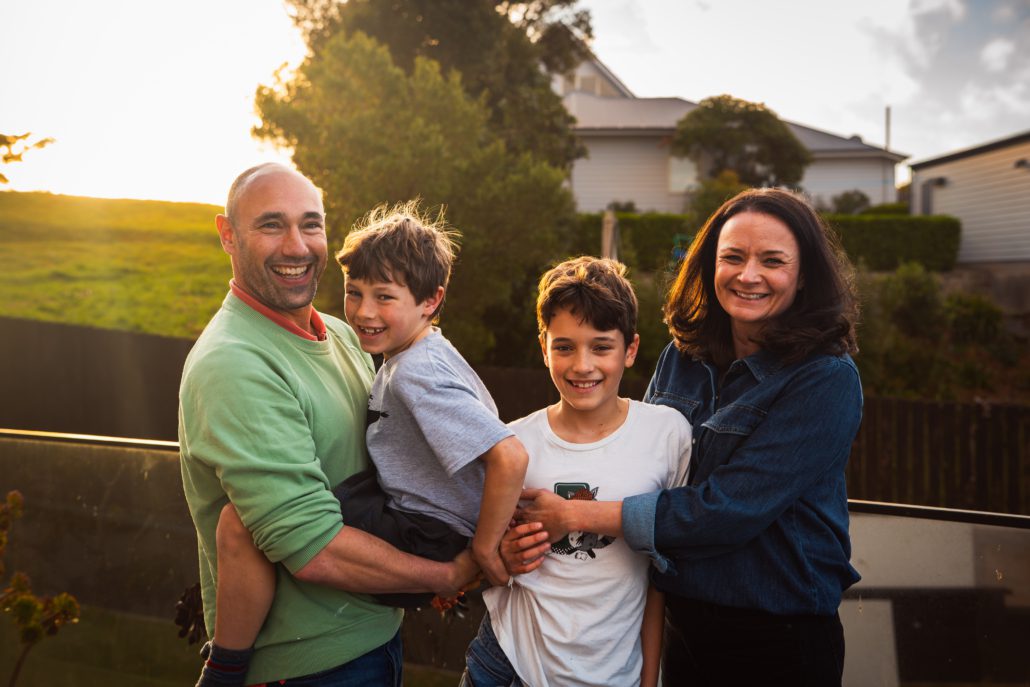
Sarah hoped it was just another fairly ordinary day when primary school aged son Charlie came home from school with a headache following a fall. But this wasn’t just any headache – it was the beginning of a journey that would transform their family’s understanding of traumatic brain injury and reveal the critical importance of receiving specialised support.
A Series of Unfortunate Events
Charlie’s story began with what seemed like typical childhood accidents. A face-plant while BMXing that broke his nose despite wearing a full-face helmet. Then, three more incidents all in quick succession: two balls accidently kicked hard into his face during football, then a fall where his head hit the AstroTurf when a classmate fell on top of him.
“I saw stars,” Charlie remembers. “I vomited the next day.”
What the family didn’t initially realise was the cumulative effects of other head knocks that Charlie had experienced throughout his childhood – a fall from a highchair, a mountain biking accident, and various other knocks that seemed like normal childhood mishaps.
The Hidden Struggle
As Charlie’s headache continued, other symptoms emerged that painted a concerning picture for his parents. Charlie became unusually clumsy, falling over frequently and repeatedly losing concentration. Most heartbreaking for the family, he became overly emotional and angry, particularly toward his younger brother Harvey.
“Dinner time and bedtime became really hard,” Sarah recalls. “He was just massively amped up, and Harvey was getting the brunt of it from him.”
For parents Jez and Sarah, the invisible nature of the injury made everything more challenging. Dad Jez, who had experienced multiple concussions during his rugby-playing days, initially took a casual approach. “I’d had a few concussions in my time, and so was a bit blasé about it as I really didn’t know how serious they could be at such a young age” he admits.
A Turning Point
When Charlie’s GP referred the family to Laura Ferguson Brain Injury Trust, everything changed. A comprehensive assessment revealed the true extent of Charlie’s condition – he couldn’t walk in a straight line, couldn’t stand on one foot, and simple coordination exercises caused him severe headaches.
“It was during that appointment that we realised something was quite clearly very wrong,” Sarah explains.
Comprehensive Care Makes the Difference
The support Charlie received was extensive and life-changing. A physiotherapist coordinated his care, while a neuropsychologist assessed his working memory – results that left his parents extremely worried as they watched their son struggle to remember simple sequences.
Charlie worked with a psychologist who helped him understand his big feelings and gave him tools to manage emotional situations. An occupational therapist, speech-language therapist, and sports physiotherapist rounded out his care team.
“It took time but it helped a lot,” Charlie says simply. “It just helped me feel better and understand what I was going through.”
The Ripple Effects
The injury’s impact extended far beyond Charlie’s symptoms. Sarah couldn’t return to work as planned, picking Charlie up from school at varying times as he gradually increased from half-days to full days over a prolonged 11-month period. The family couldn’t plan activities, and Charlie missed out on sleepovers, camps, and sports while he recovered.
Charlie found himself increasingly isolated from his peer group. “His life was sports and friends, and he couldn’t participate. All these things that make up a child’s social world were suddenly off-limits, which was really difficult to navigate, especially over the summer holidays.” Jez explains.
The Long Road to Recovery
What the family initially expected to be a few weeks of recovery stretched into nearly a year. It wasn’t until July 2025 – eleven months after the initial injuries – that Charlie could begin to return to normal activities like full days at school, sports and later bedtimes.
“We had no idea it was going to take over a year,” Sarah reflects. “Even the sports doctor thought he’d be okay by February, but at that time, we were still really struggling.”
The Difference Expert Support Makes
Without the comprehensive care from Laura Ferguson Brain Injury Trust, the family knows Charlie’s story could have been very different.
“He may have been suffering for the rest of his life,” Jez states firmly. “His adult life would likely to have been completely different to what it will be now.”
Charlie agrees, speaking to his parents: “It could have lasted longer, and you wouldn’t know about it. You might have been frustrated at me because I failed all my tests, and we wouldn’t know why.”
Hope and Advocacy
Now thriving at a new school, Charlie has turned his experience into advocacy. As part of a William Pike Challenge project, he’s volunteering with Laura Fergusson Brain Injury Trust to help other families understand traumatic brain injury and the support available.
His advice to other children facing similar challenges is both wise and hopeful: “It’s going to be hard, but you’ll be okay. You need to rest, and what everyone tells you to do about not playing games, you need to listen, and you’ll be able to play more later.”
A Message for Other Families
For any parent facing this journey, Sarah’s advice is simple but crucial: “Seek out a diagnosis and take the help. Take it seriously and really think about what the ramifications for your child could be in later life if you don’t.”
The family’s story illustrates both the serious impact traumatic brain injury can have on a child and their family, and the positive impacts of receiving specialised support. With care, understanding, and time, recovery is possible. Our team are so glad that Charlie is doing so much better now.

