A concussion can affect many aspects of daily life, including thinking, physical function, emotions, and energy levels. While symptoms are often temporary, recovery looks different for everyone. This page explains what a concussion is and introduces the therapy team who support people through assessment, rehabilitation, and recovery.
What is a Concussion ?
- A concussion is a mild traumatic brain injury (TBI). This can be from an injury to the brain caused by an outside force, such as a blow to the head or movement of the head. There are a range of causes such a sports injury, car accident, assault or fall
- Because of this people may have problems with thinking, physical, and emotional difficulties. Generally, the brain can repair itself, but does need time and rest to recover
- Your therapy team are here to help guide your recovery from concussion
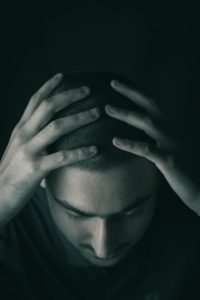

Common symptoms of concussion
- Headaches
- Feeling tired
- Dizziness or nausea
- Blurred or altered vision
- Difficulty concentrating
- Difficulty with memory
- Moodiness, short temper or irritability
- Sensitivity to light and/or noise
How long will symptoms last?
Most people make a good recovery from a concussion. The time this takes will vary from person to person
Several factors can affect someone’s recovery such as ability to pace activities, pre-injury mental health history, prior concussions, physical symptoms (like neck and visual difficulties) and stress levels
Concussion symptoms may increase as you start gradually returning to usual activities – this is normal and is not a sign that you are getting worse
Your concussion team
Depending on your needs, your concussion recovery team may include:
Physiotherapy:
Supports you with any physical issues including headaches, dizziness and return to exercise
Speech Language Therapy:
Supports you with any changes in your thinking (cognition) and communication skills
Occupational Therapy:
Supports you with managing fatigue and returning to daily activities
Psychology:
Supports you with any changes in emotions and mood
Other available disciplines if needed include social work, nursing or dietitian

Medical specialist assessment
- A medical specialist assessment may be indicated for some people if recovery is slow or not following the expected recovery pattern
- A CT or MRI scan may be recommended as an acute measure to identify if there is a structural injury such as a fractured skull or a brain bleed. This is uncommon for a concussion and often these scans will be normal
Neuropsychology assessment
- A neuropsychology screen may be recommended to identify cognitive strengths and weaknesses following a concussion
- This will only be indicated if the interdisciplinary team believe this is necessary to help guide rehabilitation, if you are not progressing as expected
- The majority of people do not require a neuropsychology assessment, as improvements occur and symptoms reduce

Referrals
Laura Fergusson Brain Injury Trust Concussion service can accept referrals from:
- Te Whatu Ora – Health NZ medical practitioners or allied health professionals
- GPs
- ACC case managers
A completed ACC883 form with supporting medical notes can be sent to Laura Fergusson Brain Injury Trust at hello@lfbit.co.nz or to your local ACC branch
GPs can also utilise the ERMS system to refer